Scientists Race to Record Earth's Last Intact Forests
A global team is capturing the sounds of untouched forests before they disappear, creating acoustic baselines that reveal what satellites can't see. These audio archives could transform how we protect what's left.
From space, a forest can look perfectly healthy while its heartbeat fades below the canopy. The birds, frogs, and insects that fill intact forests with sound may have already vanished, even when satellite images show nothing wrong.
That's why researcher Zuzana Buřivalová and her team launched the Soundscape Baselines Project. They're racing to record the acoustic signatures of Earth's remaining untouched forests in Brunei, Ecuador, Gabon, Germany, Peru, and the United States before these reference points disappear forever.
The concept builds on work by bioacoustician Bernie Krause, who spent five decades recording natural soundscapes worldwide. His archives proved that ecosystems have acoustic structures, with different species claiming specific times and frequencies like instruments in an orchestra.
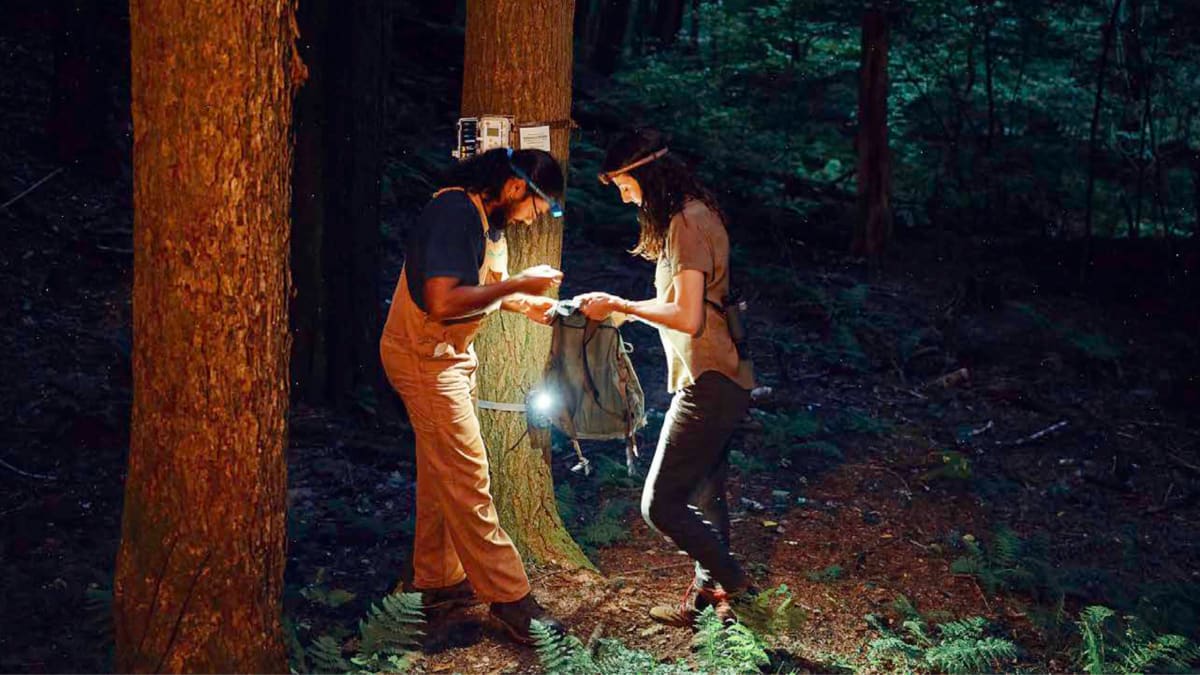
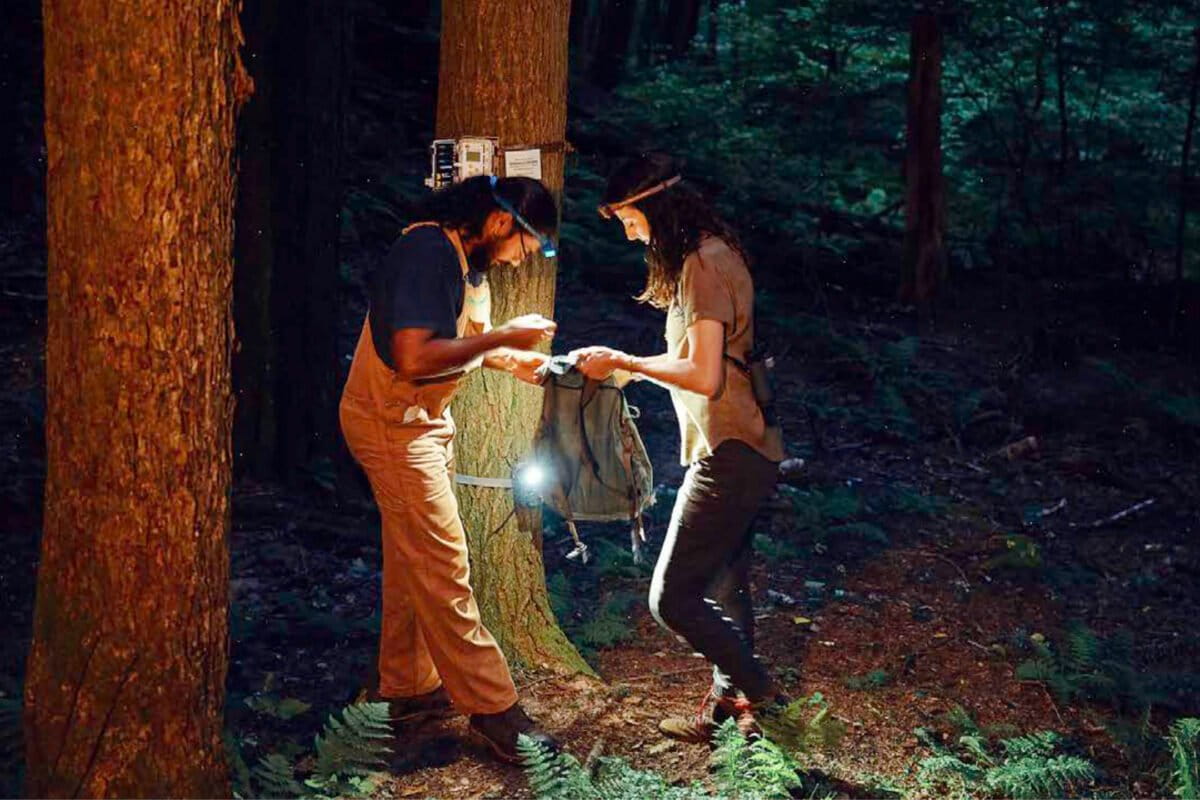
The new project places recorders about five feet off the ground, capturing continuous audio for at least a year at each site. Local teams of scientists and community members manage the equipment and data, ensuring the people closest to these forests have a voice in protecting them.
The recordings reveal changes that other methods miss entirely. In Gabon, logged forests looked similar to pristine ones in basic daily measurements, but the timing and pattern of dawn and dusk choruses told a different story.
Each recorder generates nearly six gigabytes of data daily. A six-recorder network produces about 1.5 terabytes monthly, creating permanent audio archives of forests as they exist right now.
The Bright Side
This work addresses a sneaky problem in conservation called shifting baseline syndrome. Each generation accepts the nature it first encounters as normal, even if that forest lost half its species decades earlier.
By capturing these soundscapes now, scientists are creating time capsules. Future conservationists won't have to guess what a healthy forest sounded like or wonder if a restored habitat is truly recovering.
The data gets stored in three places: within each forest's home country, at the University of Wisconsin-Madison, and in cloud storage. This approach ensures local communities maintain control over information about their own ecosystems.
Between 2000 and 2020, Earth lost 1.5 million square kilometers of intact forest, about 12% of what remained. Even protected forests are changing as temperatures rise and species shift their ranges.
The team acknowledges that acoustic monitoring has limits. Tools like BirdNET and acoustic indices need careful calibration and local knowledge to produce reliable results.
But the alternative is worse. Waiting to collect baseline data means accepting a progressively altered world as the starting point, making it impossible to measure what we've truly lost or know when restoration succeeds.
These recordings are more than scientific data. They're acoustic portraits of Earth's last wild places, captured at a moment when we still can.
More Images


Based on reporting by Mongabay
This story was written by BrightWire based on verified news reports.
Spread the positivity!
Share this good news with someone who needs it