Scientists Ready to Fix Brain Diseases Like Alzheimer's
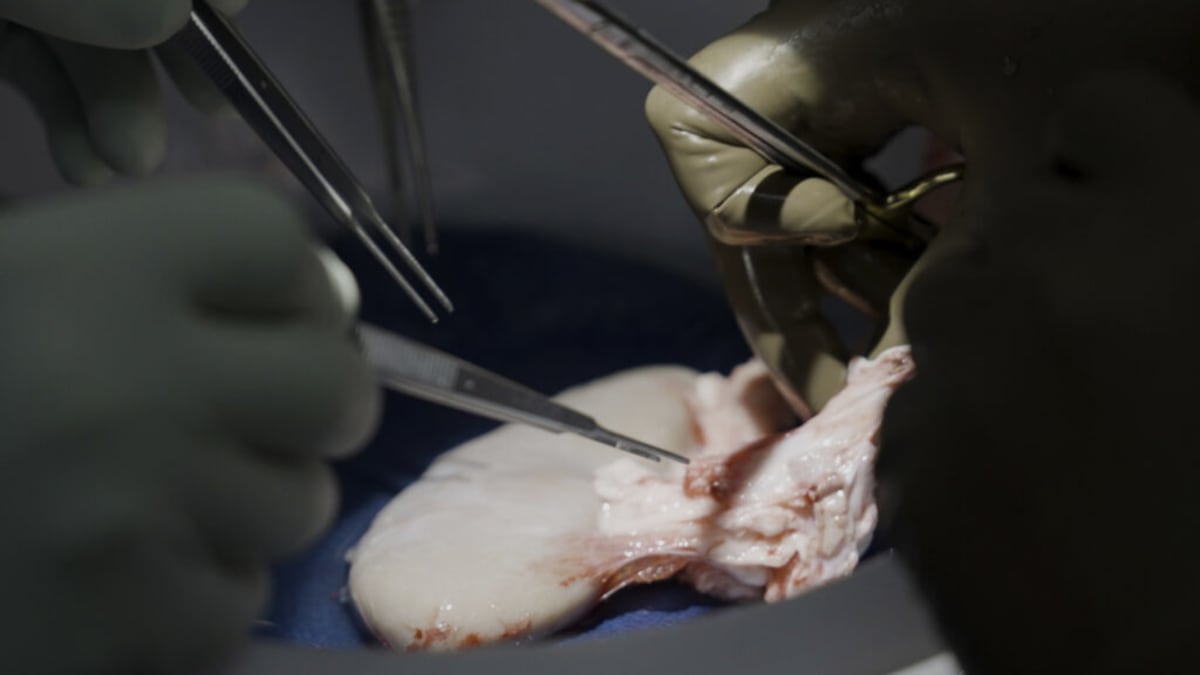
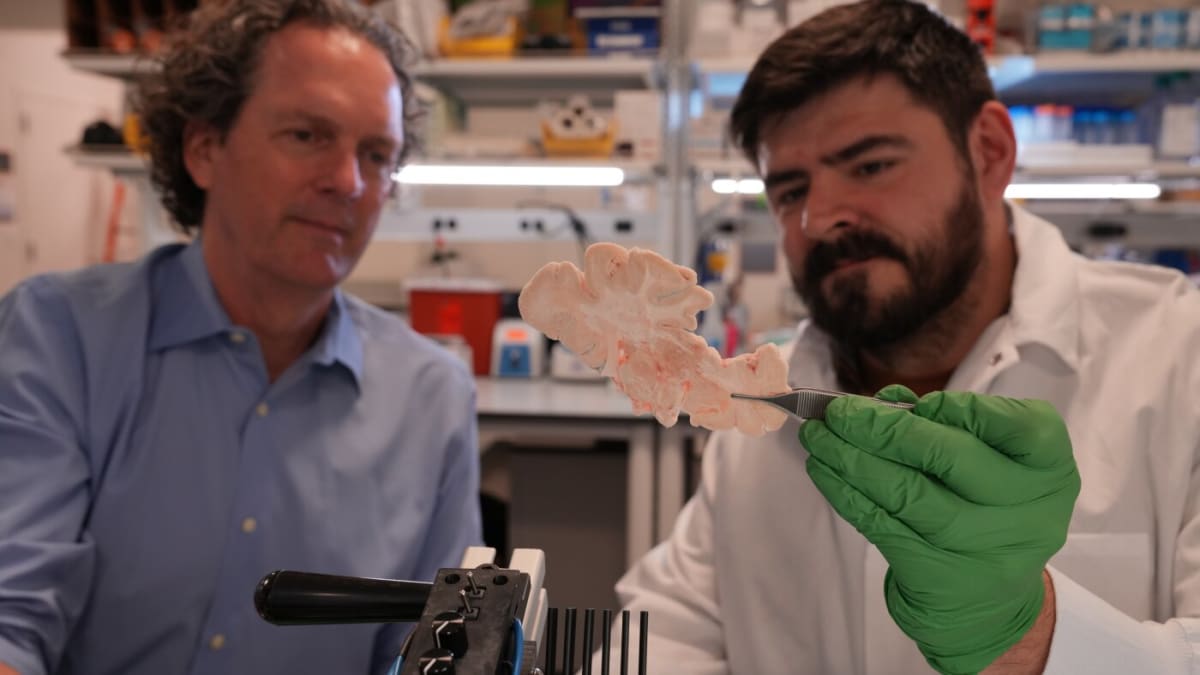
After decades of studying how the brain works, scientists at Seattle's Allen Institute are launching a major effort to develop genetic therapies for previously untreatable brain diseases. The breakthrough comes from mapping millions of brain cells and understanding exactly which neurons fail in conditions like Alzheimer's, Parkinson's, and Huntington's.
Scientists who spent decades learning how the brain works say they're finally ready to start fixing it when it breaks.
The Allen Institute in Seattle just launched the Brain Health accelerator, a massive collaborative effort to develop genetic therapies for diseases that have stumped doctors for generations. The target list includes Alzheimer's, Parkinson's, ALS, and Huntington's disease.
The timing isn't random. Thanks to the BRAIN Initiative that President Obama launched in 2013, researchers now have detailed maps of millions of brain cells and understand their genetic blueprints. "I am shocked at how far we've come in the last 10, 12 years," says John Ngai, who directs the BRAIN Initiative at the National Institutes of Health.
For Jeff Carroll, this work is deeply personal. He watched his mother die from Huntington's disease as a teenager, then learned he carries the same fatal gene. The inherited disorder destroys brain cells by producing toxic levels of a specific protein.
Carroll spent years studying mice with Huntington's at the University of Washington, knowing the solution seemed straightforward: turn off the bad gene. But his small university lab couldn't tackle work at that scale, so he joined the Allen Institute effort where hundreds of scientists can collaborate.
The approach is already working for other conditions. Kids with spinal muscular atrophy, a genetic disorder that once killed them by 18 months old, are now going to high school thanks to genetic therapy. "Things that were unimaginable can change," Carroll says.
The Allen Institute's scientists have mapped exactly which types of neurons Alzheimer's destroys first and how the disease progresses. Genetic therapies designed to protect these specific cells might delay or even prevent symptoms. Similar strategies could work for Parkinson's and ALS.
Why This Inspires
What makes this effort special goes beyond the science. The Allen Institute makes all its research databases freely available to scientists worldwide. Every discovery, every cell map, every genetic insight becomes a tool that thousands of researchers can use to find answers.
This open approach means breakthroughs could come from anywhere. A scientist in Mumbai or São Paulo might spot the pattern that leads to the next treatment. The institute isn't hoarding knowledge; it's multiplying the chances someone will crack the code.
Carroll's personal stake adds another layer of hope. He's not just studying a disease; he's racing against his own diagnosis while helping millions of others facing similar fates.
The shift from studying broken brains to actually fixing them marks a turning point in medical history.
More Images


Based on reporting by Google News - Health
This story was written by BrightWire based on verified news reports.
Spread the positivity!
Share this good news with someone who needs it