Scientists Ready to Pulverize Asteroids Using Existing Tech
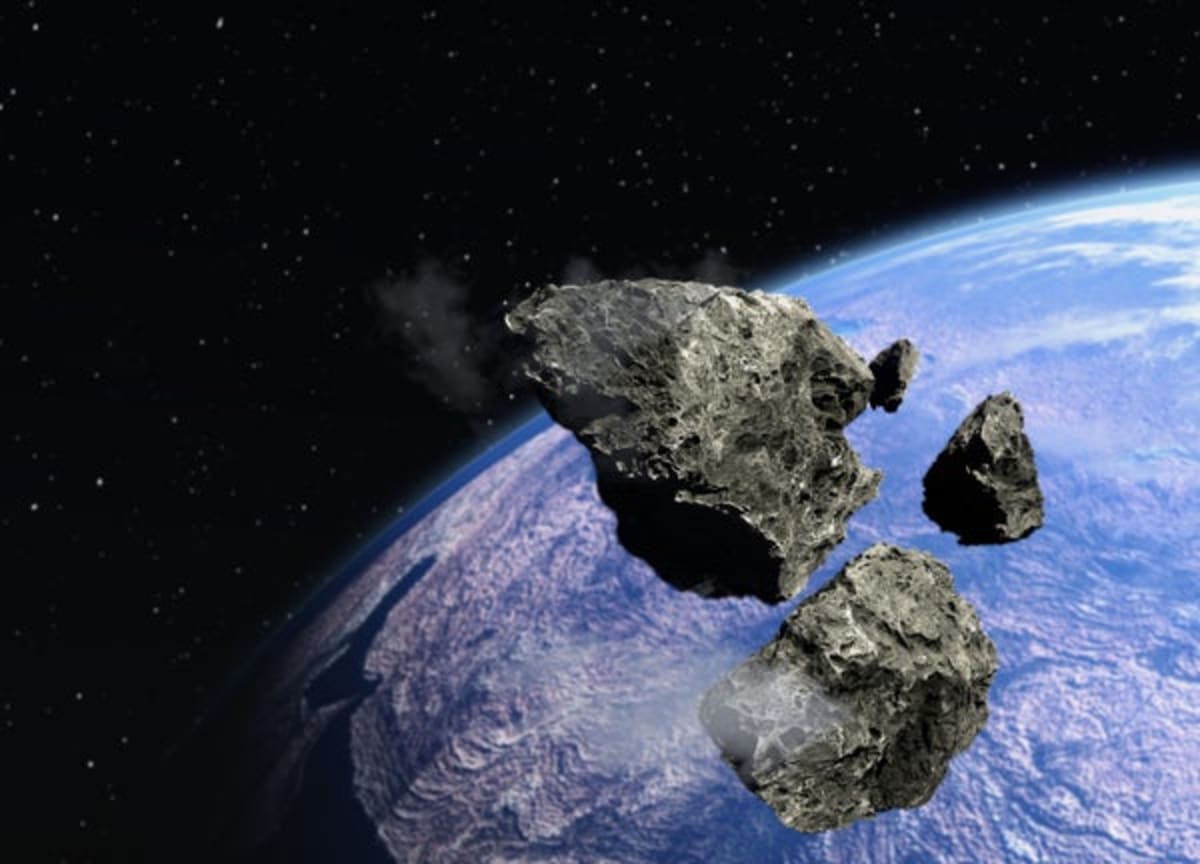
A team at UC Santa Barbara has designed a system to blast dangerous asteroids into harmless bits using rockets and technology we already have. Unlike asteroid deflection methods, this "Pulverize It" program could work even with short warning times.
For the first time, scientists say we have everything we need right now to protect Earth from killer asteroids, and we don't even need to invent new technology.
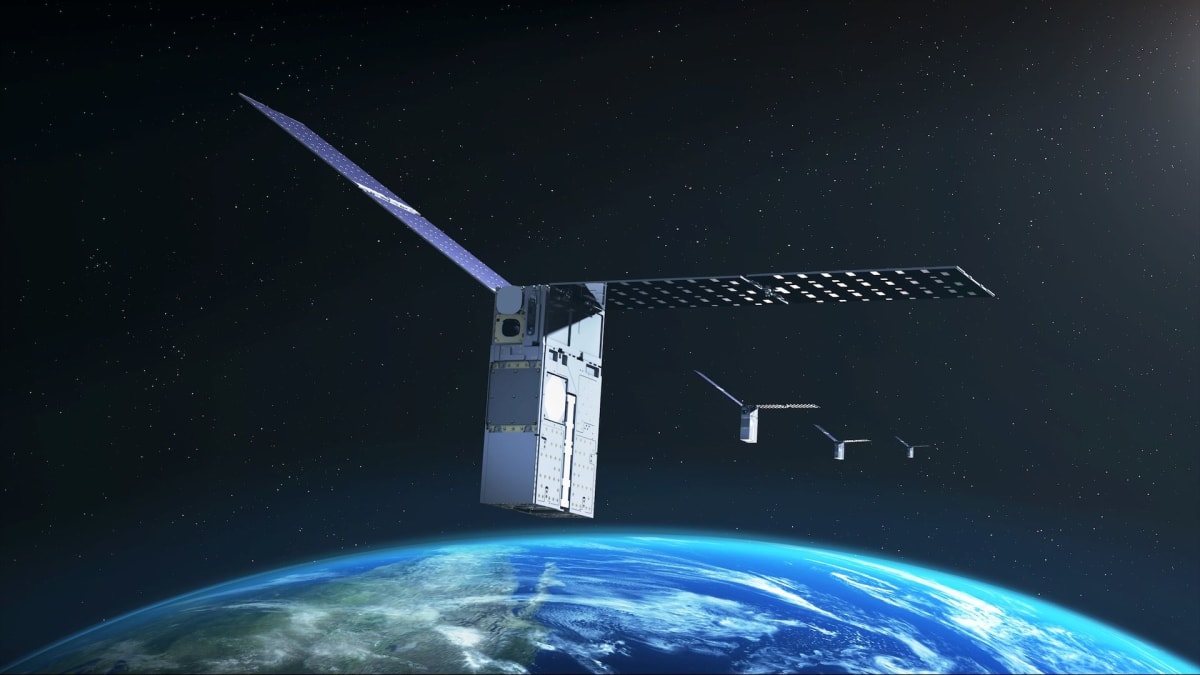
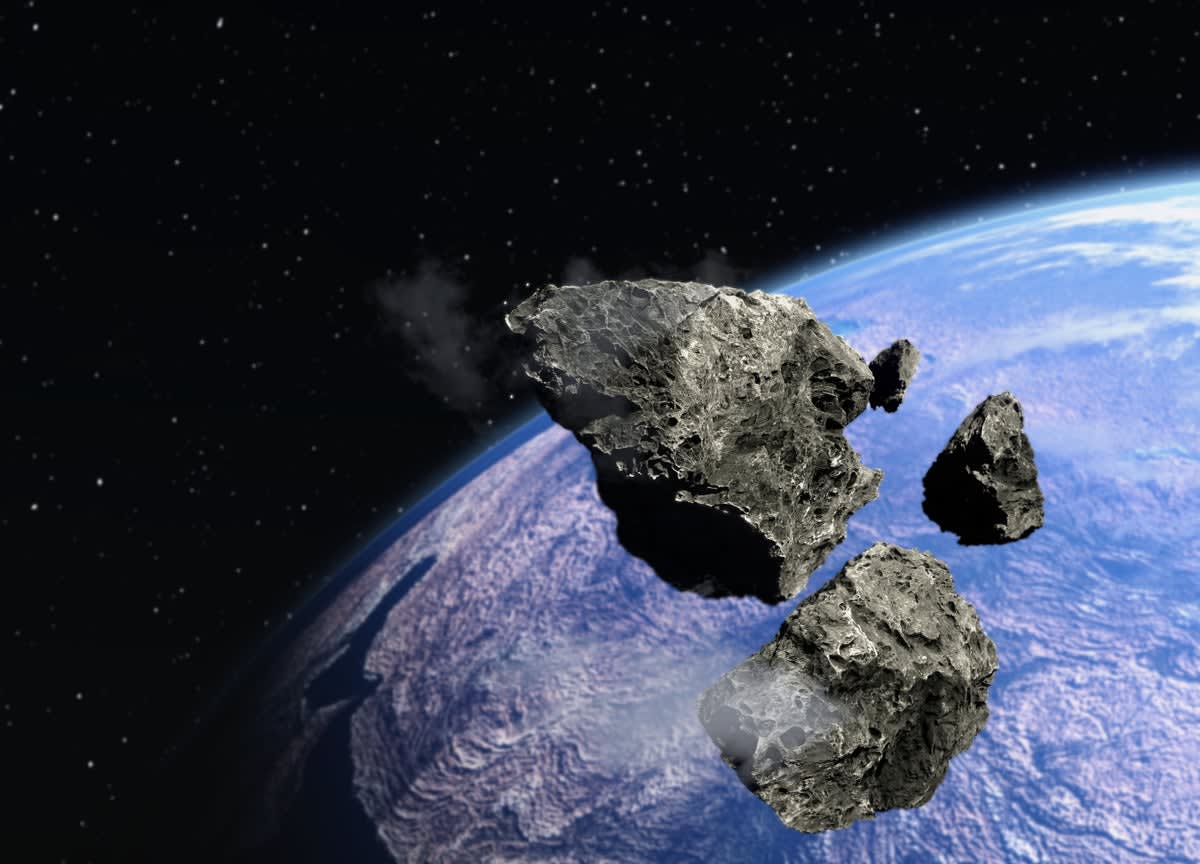
A research team at the University of California, Santa Barbara has designed a planetary defense system called "Pulverize It" that does exactly what its name suggests. The program would use existing rockets like SpaceX's Falcon 9 to launch projectiles that smash hazardous asteroids into pieces small enough to safely burn up in our atmosphere.
NASA currently tracks over 2,000 "potentially hazardous" asteroids, meaning space rocks at least 460 feet wide with orbits that pass within 4.7 million miles of Earth. While NASA successfully tested deflecting an asteroid in 2022 with its DART mission, that gentle nudge approach only works if scientists spot the threat years in advance.
"We possess the technology, right now, to set up a planetary defense system," says Philip Lubin, the project's principal investigator. The catch? We just haven't built it yet.
The Pulverize It system would carry tungsten bullets to blast apart smaller asteroids or nuclear explosives for larger threats. Using NASA supercomputers, researcher Sasha Cohen has been calculating exactly what mass and speed would be needed to break up asteroids of different sizes, even with short warning times.
The goal is to shatter incoming asteroids into fragments no larger than 50 feet across, ideally between 13 and 16 feet. At those sizes, the pieces would burn up harmlessly in Earth's atmosphere before reaching the ground.
Research scientist Brin Bailey is working to ensure the process stays safe. Even burning asteroid fragments create acoustic shock waves and bright flashes that could break windows or start fires if the asteroid gets pulverized too close to Earth. The team simulates these effects using donated computing power from NVIDIA to minimize any danger.
The Bright Side
What makes this breakthrough so hopeful is that we don't need to wait for future technology or massive new funding. The rockets exist. The projectiles exist. The calculations are being refined right now with support from NASA's Innovative Advanced Concepts program.
Unlike the movie scenarios where humanity scrambles to invent a last-minute solution, real scientists have already figured out how to protect our planet using tools we have today. The physics works, the engineering is sound, and the simulations show it can handle almost any asteroid threat, whether we have years or just months of warning.
The main barriers aren't technical anymore but policy-related, like international agreements about nuclear weapons in space. Those are solvable human problems, not impossible scientific ones.
For a species that's spent millennia worrying about rocks falling from the sky, we've finally designed a comprehensive shield.
More Images

Based on reporting by Scientific American
This story was written by BrightWire based on verified news reports.
Spread the positivity!
Share this good news with someone who needs it