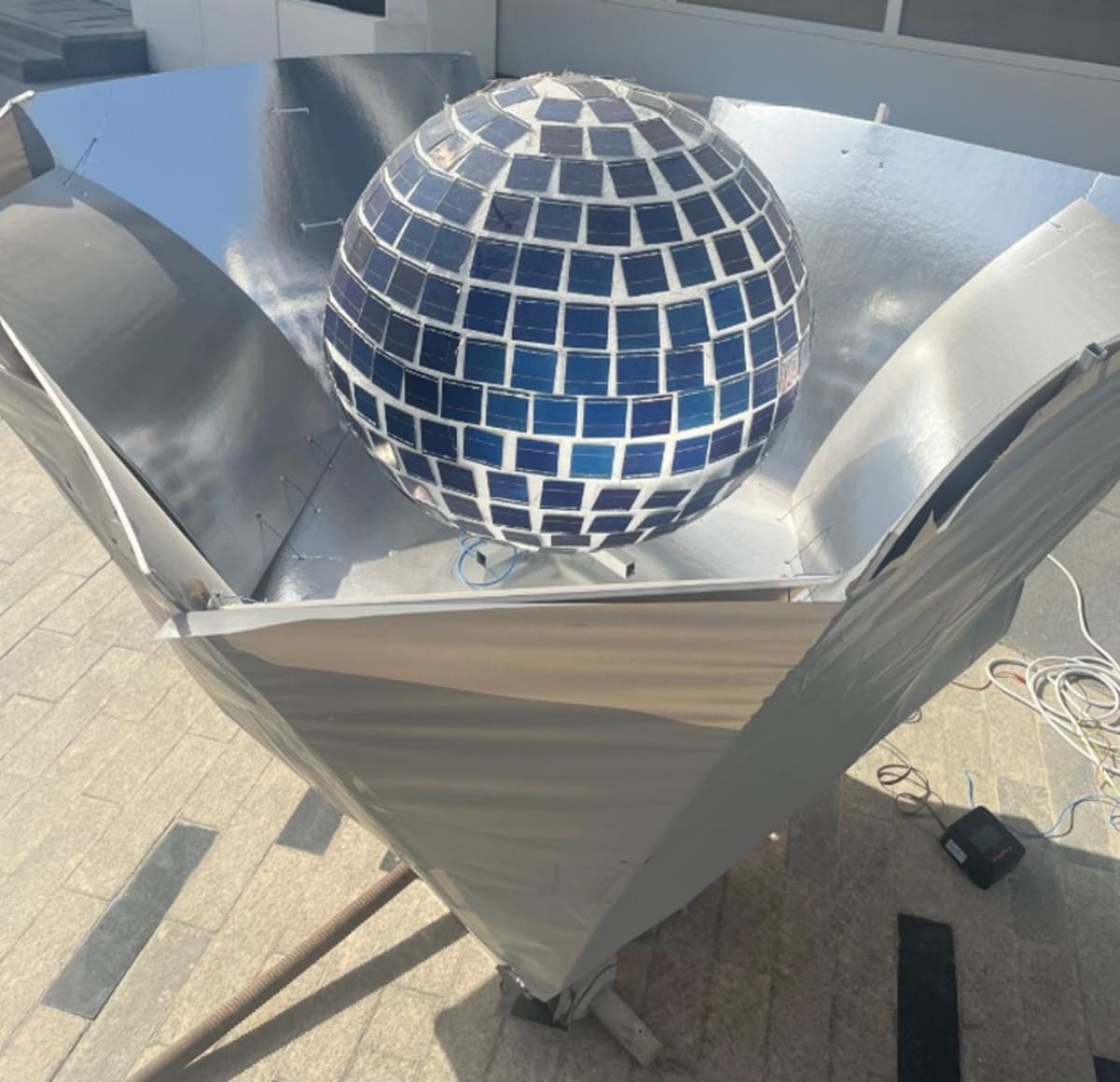
Scientists Recover 100% of Silver From Old Solar Panels
Australian researchers just solved a major obstacle to solar panel recycling, recovering nearly all the valuable silver from old panels without harsh chemicals. The breakthrough could turn solar waste into profit while keeping toxic materials out of landfills.
Imagine recovering every ounce of silver from half a ton of old solar panels in just 90 minutes. That's exactly what Australian scientists just accomplished, and it could transform how the world handles renewable energy waste.
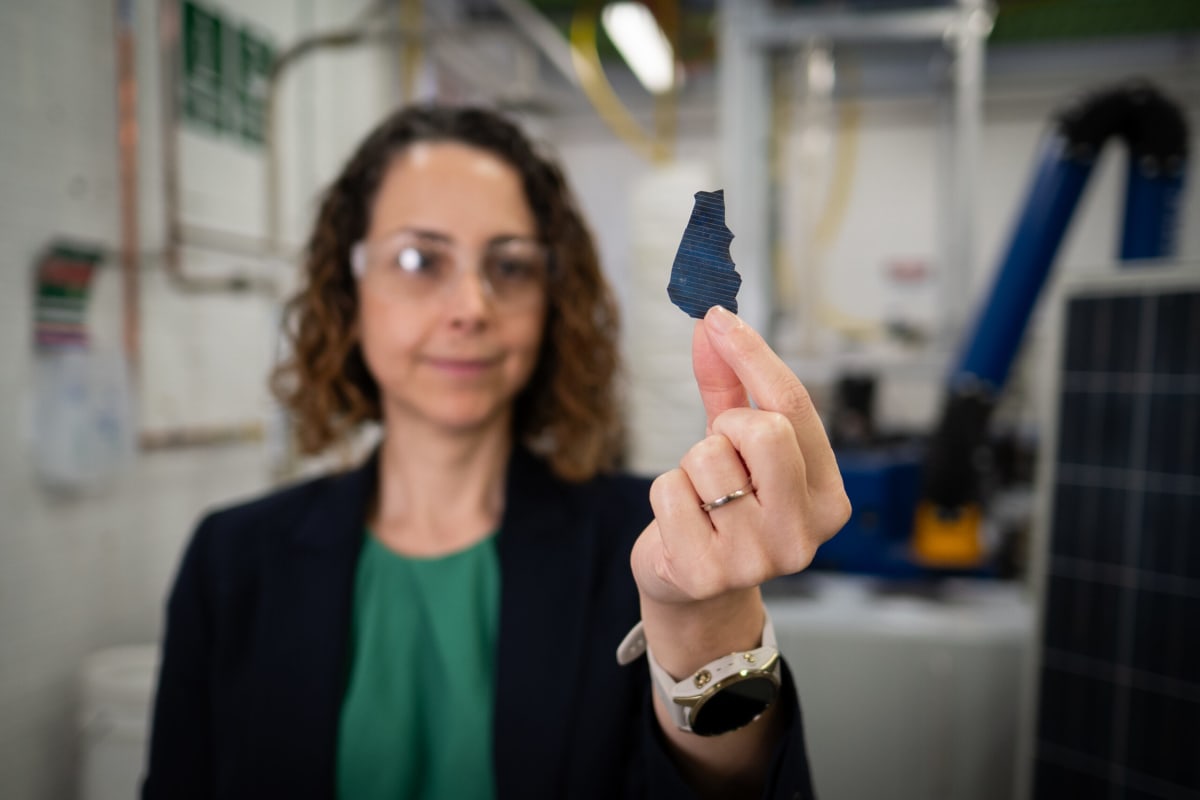
Researchers at the University of Newcastle successfully scaled up a recycling process that extracts almost 100% of silver from end-of-life solar panels. They processed 22 kilograms of solar cell material from 468 kilograms of panels, concentrating the silver into a product with 80 times the original concentration.
The team used froth flotation, a technique borrowed from the mining industry that doesn't require harsh acids. Associate Professor Mahshid Firouzi, who leads the university's Centre for Critical Minerals and Urban Mining, says the challenge is no longer whether silver can be recovered, but whether it can be done affordably at scale.
Silver is the most valuable material in solar panels, and there's a lot at stake. Australia alone expects more than one million tonnes of solar panel waste by 2035, containing an estimated 300 to 500 tonnes of silver.
Right now, recycling a solar panel costs $10 to $15, while dumping it in a landfill costs just a few dollars. That's why most old panels end up buried instead of recycled.
The Ripple Effect
This new flotation process could cost three to five times less than traditional acid-based recycling methods. If recyclers can efficiently recover and sell the silver, the entire economic equation changes in favor of recycling.
The breakthrough arrives at a critical moment. As the renewable energy transition accelerates worldwide, the solar industry faces a growing waste problem it wasn't designed to handle.
By applying proven mineral processing technology to solar waste, the researchers are building a blueprint for circular economy solutions. The continuous pilot-scale trial proved the process is robust, rapid, and ready to scale commercially.
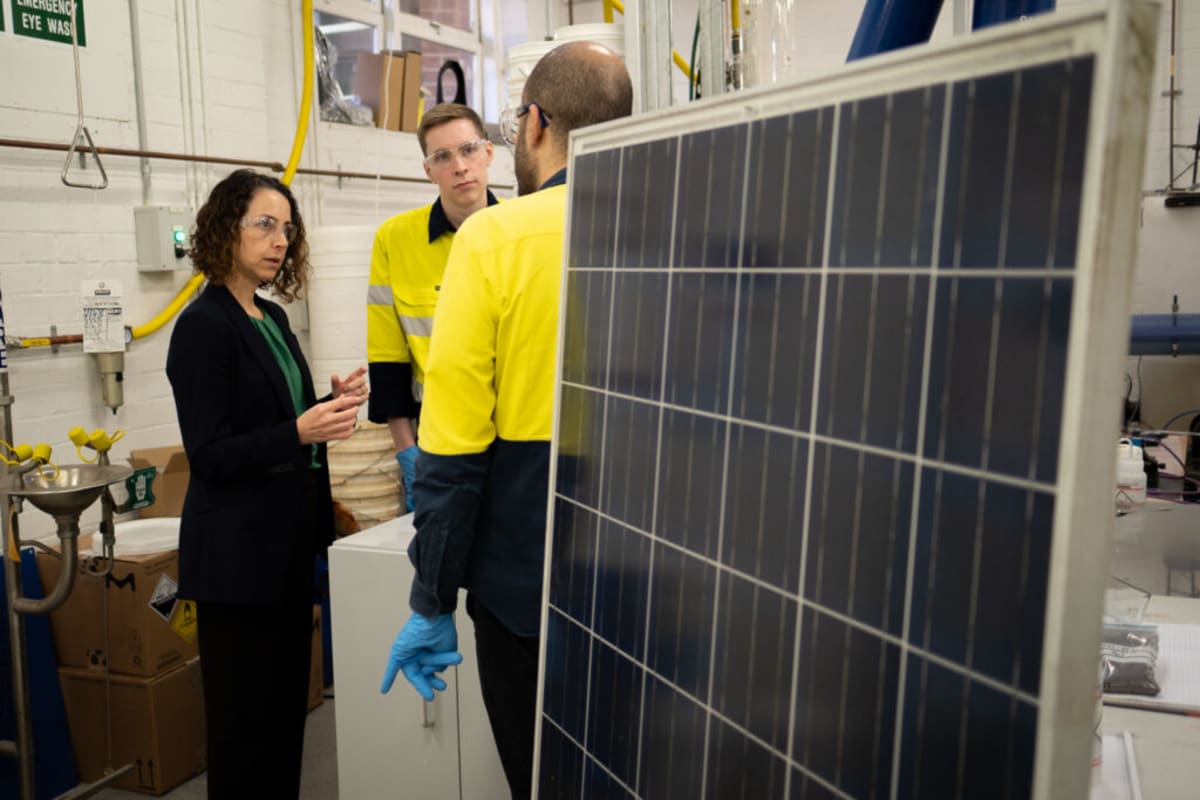
PhD students Luke Christiansen and Hamidreza Saffarian worked alongside Firouzi to demonstrate that recovering critical minerals from waste streams isn't just environmentally responsible, it's economically smart. Building a circular economy means thinking beyond clean energy generation to material recovery.
The research findings appeared in a preprint published in ChemRxiv, bringing the technology one step closer to commercial implementation and a future where renewable energy truly renews itself.
More Images


Based on reporting by PV Magazine
This story was written by BrightWire based on verified news reports.
Spread the positivity!
Share this good news with someone who needs it