Scientists Reveal How Psychedelics May Heal PTSD in Hours
New research shows psychedelics like psilocybin and MDMA could help people with PTSD recover in hours instead of months by actually rewiring trauma-affected brain systems. Clinical trials reveal 67% of patients no longer met PTSD criteria after MDMA-assisted therapy, offering hope to 12 million Americans struggling with the condition.
Scientists are finally understanding how psychedelics could rapidly heal one of the most stubborn mental health conditions, and the results are bringing hope to millions.
More than 12 million Americans live with PTSD in any given year, often trapped in persistent flashbacks, hypervigilance, and debilitating beliefs that the world is dangerous. Traditional treatments like antidepressants and talk therapy help only a fraction of patients and can take months to show results.
But research into psychedelic-assisted therapy is revealing something remarkable. These substances appear to target the root cause of PTSD rather than just masking symptoms.
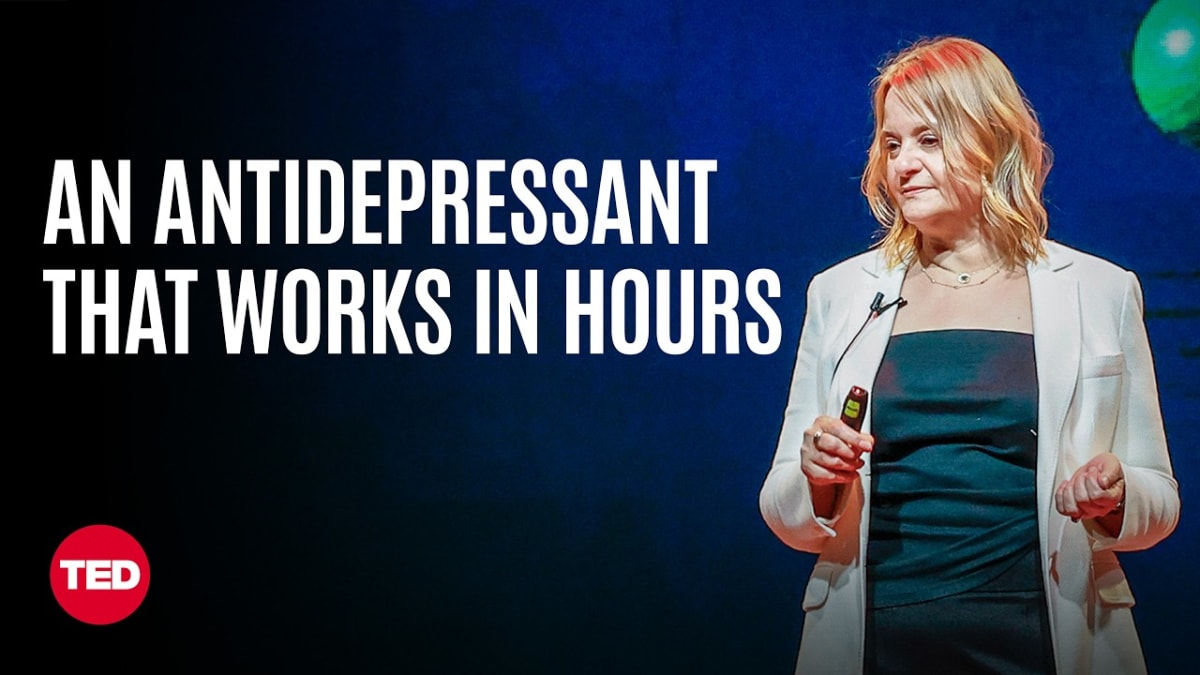
Dr. Lynnette Averill, a clinical research psychologist at Baylor College of Medicine, is leading groundbreaking research on this approach. Her work is deeply personal: her father, a Vietnam War veteran, struggled with PTSD for years before dying by suicide when she was three.
Now she's witnessing transformations that once seemed impossible. "There's potential for people to feel that the needle has moved in hours," Averill shared at the Psychedelic Science conference in Denver. "And that is just quite literally lifesaving."
The science behind it centers on how trauma physically changes the brain. The amygdala, the brain's fear center, becomes hyperactive after trauma, constantly signaling danger. Meanwhile, regions that help contextualize memories and manage emotions become less active.
Psychedelics like MDMA and psilocybin appear to help rewire these disrupted brain systems. A recent clinical trial showed impressive results: 67% of patients who received MDMA-assisted therapy no longer met PTSD criteria after treatment, compared with just 32% in the placebo group.
Averill is currently leading a Texas state-funded clinical trial investigating psilocybin specifically for veterans with PTSD. The early findings align with other research showing these treatments can work remarkably fast.
Clinical trials investigating psilocybin's potential are also showing promise. The speed of recovery stands in stark contrast to traditional treatments, which can require months or years of consistent effort with no guarantee of success.
The Ripple Effect
This research represents more than just another treatment option. It signals a fundamental shift in how we understand and address trauma-related mental health conditions.
For veterans who've exhausted other options, accident survivors trapped in fear, and abuse victims unable to escape their memories, psychedelic-assisted therapy offers something previously out of reach: the possibility of rapid, meaningful recovery. The research could transform mental healthcare for the millions who've been told to simply keep trying treatments that don't work.
The implications extend beyond PTSD as well. Understanding how psychedelics can help the brain recover from trauma could unlock new approaches for treating depression, anxiety, and other conditions rooted in rigid, harmful thought patterns.
As clinical trials continue and researchers deepen their understanding of these mechanisms, a future where trauma doesn't have to be permanent is becoming real.
More Images

Based on reporting by Live Science
This story was written by BrightWire based on verified news reports.
Spread the positivity!
Share this good news with someone who needs it