Scientists Reverse Aging in Cells Using Simple Nutrient
German researchers discovered that a common nutrient can restore youthful energy production in aging cells, suggesting some aspects of aging may be reversible. The breakthrough could change how we think about growing older.
Scientists just found a way to make aging cells act young again, and it involves a nutrient your body already uses every day.
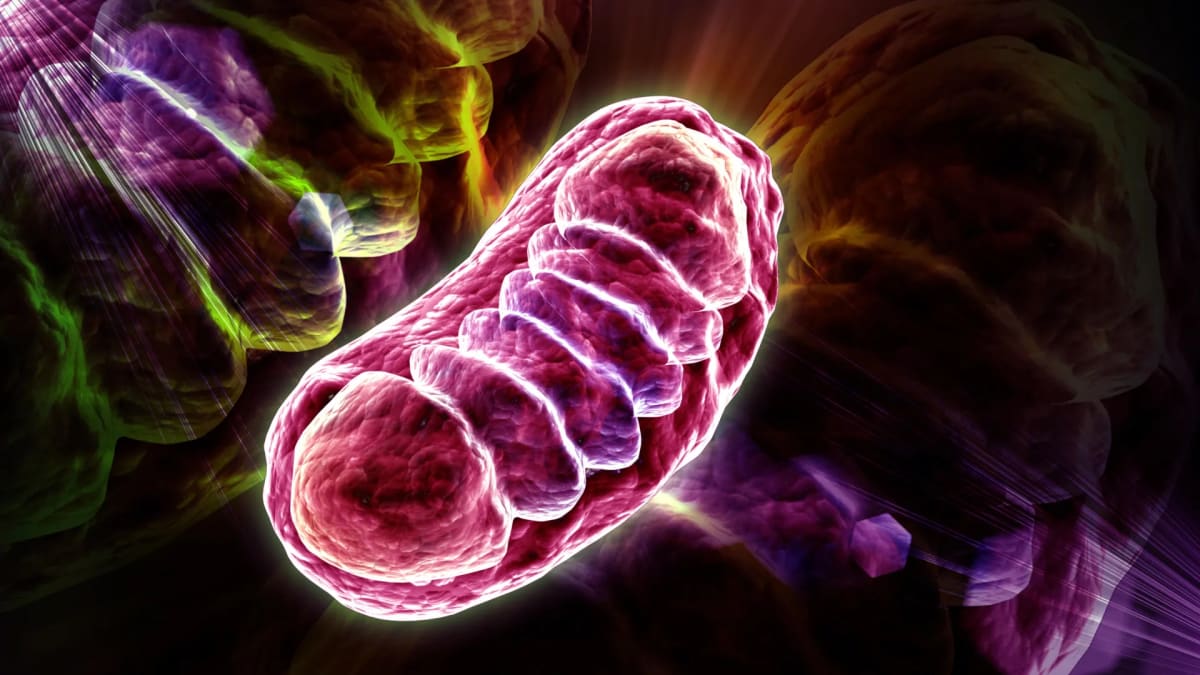
Researchers at the Leibniz Institute on Aging in Germany discovered that declining levels of phosphatidylcholine, a fat molecule in cell membranes, causes mitochondria to lose their energy-producing power as we age. When they restored this nutrient in lab organisms, aging cells bounced back to more youthful performance in just two days.
The finding challenges long-held beliefs about why we age. Scientists have spent decades assuming that accumulated genetic damage inside mitochondria drives their decline. This new research, published in Nature Communications, points to something more adjustable: the fats that make up mitochondrial membranes.
Dr. Maria Ermolaeva, who led the study, explains that mitochondria work best when they form interconnected networks. These networks let cells share energy and replace damaged components efficiently. Phosphatidylcholine keeps the membranes flexible enough to fuse together and maintain these vital connections.
As phosphatidylcholine levels drop with age, mitochondrial networks fragment and lose efficiency. Dr. Tetiana Poliezhaieva, the study's first author, says the team was surprised by how strongly this single molecule influences mitochondrial structure and function.
The researchers tested their theory in multiple ways. They disabled phosphatidylcholine production genes in young worms and watched their mitochondria rapidly age. Then they fed the worms phosphatidylcholine or its building block, choline, and saw the aging process reverse within 48 hours.
The team didn't stop with worms. They analyzed human cell cultures and extensive clinical datasets to confirm the pattern holds across species. The data revealed that phosphatidylcholine levels correlate with mitochondrial health in humans too.
Think of it like a power grid that gets damaged over time. Connections break down and energy distribution becomes spotty. Cells lose what scientists call metabolic plasticity, the ability to quickly adapt to changing energy demands. This loss of flexibility is now recognized as a hallmark of aging and diseases like diabetes.
Why This Inspires
This discovery matters because it suggests aging isn't entirely inevitable. The fact that a dietary nutrient can restore youthful function to aging cells opens new possibilities for maintaining health as we grow older.
The research expands our understanding beyond just treating symptoms of aging. It reveals that some aging processes stem from changes we might actually influence through nutrition and lifestyle. Foods rich in choline include eggs, fish, chicken, and certain vegetables.
The speed of reversal stands out too. Seeing aged mitochondria regain youthful structure in two days shows how responsive our cellular machinery remains, even after damage occurs.
Your cells might be more resilient than science once believed.
Based on reporting by Health Daily
This story was written by BrightWire based on verified news reports.
Spread the positivity!
Share this good news with someone who needs it