
Scientists Reverse Cell Aging With Simple Dietary Fix
Researchers discovered that a common lipid found in everyday foods can rejuvenate aging cells and restore youthful energy networks in just two days. This breakthrough could help millions combat age-related fatigue and metabolic decline.
Scientists just figured out how to reverse one of aging's most fundamental processes, and the solution might already be sitting in your kitchen.
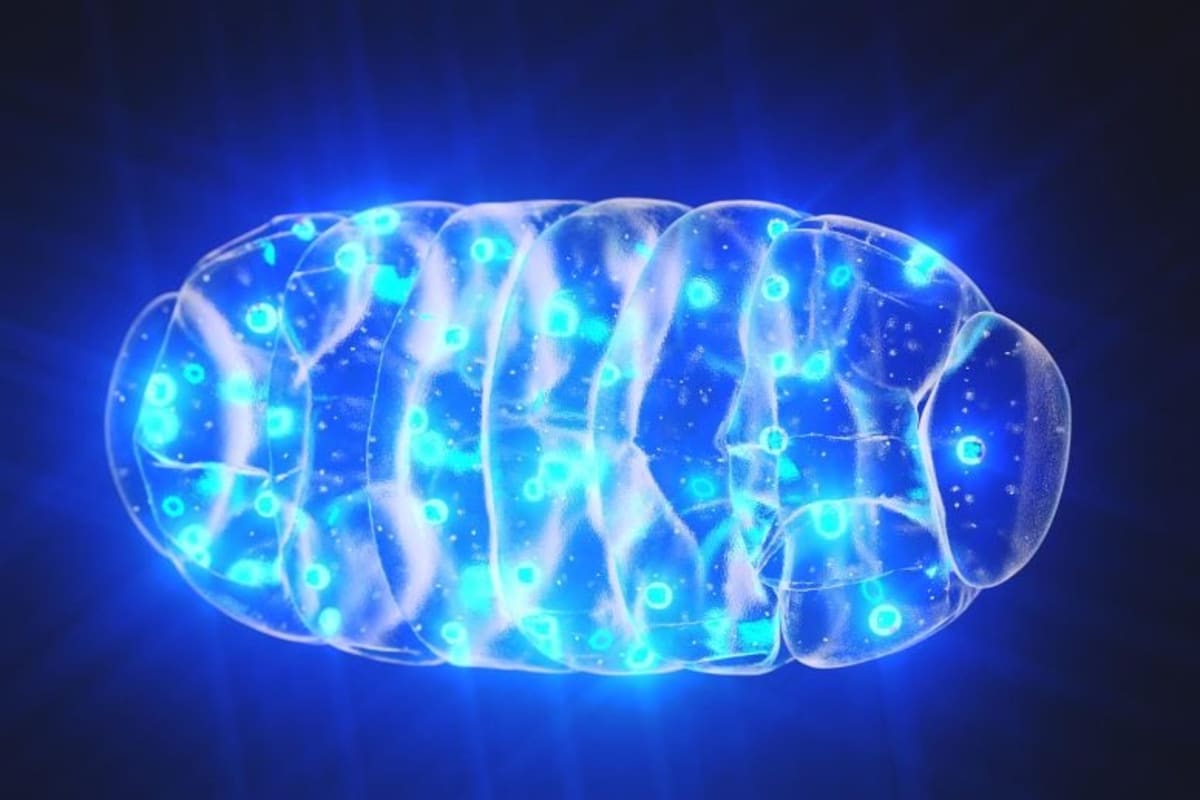
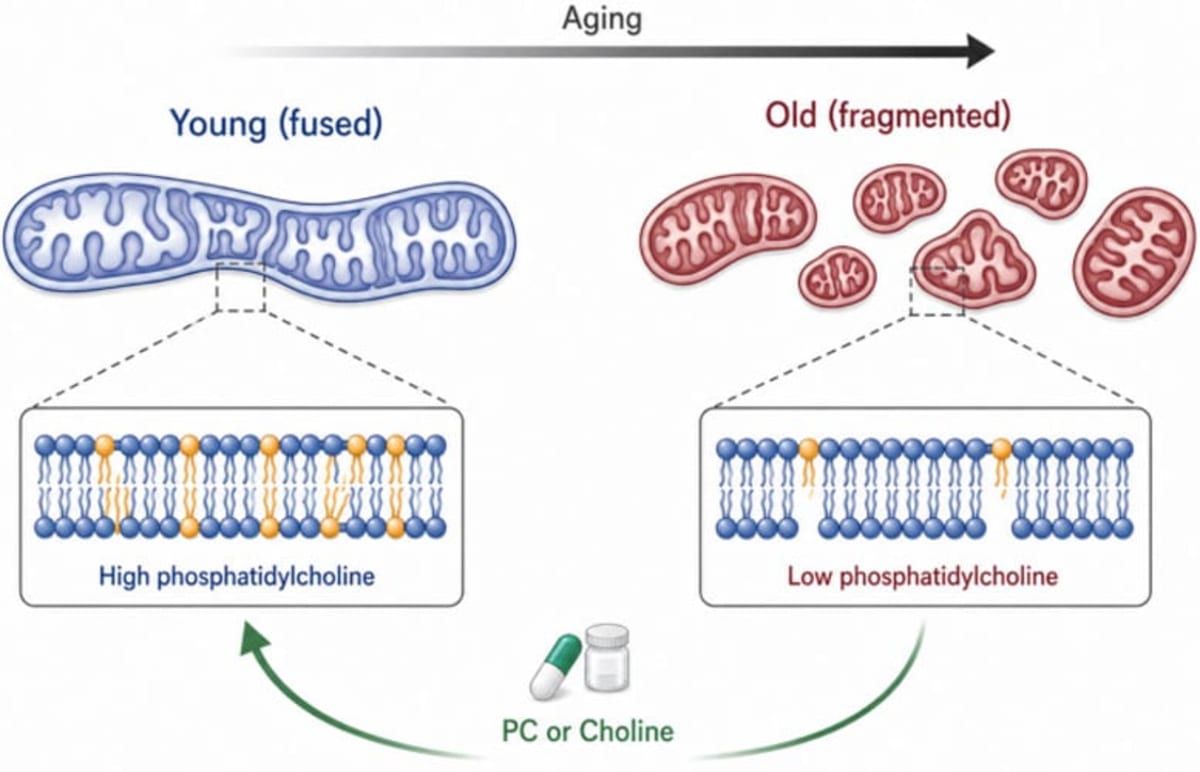
An international research team led by Dr. Maria Ermolaeva at the Leibniz Institute on Aging discovered that a lipid called phosphatidylcholine acts as the missing key to keeping our cellular power plants young and connected. When this crucial membrane component declines with age, our mitochondria fragment and lose their ability to share energy efficiently throughout our cells.
The team tested their theory on young worms by switching off genes responsible for producing phosphatidylcholine. Within days, these young worms developed mitochondria that looked and functioned like those of elderly organisms.
Then came the exciting part. When researchers fed phosphatidylcholine or its precursor choline to older worms, their mitochondria regained a youthful structure in just two days. "We were surprised ourselves by how strongly this molecule influences the structure, connectivity, and function of mitochondria," said Dr. Tetiana Poliezhaieva, the study's first author.
Think of healthy mitochondria as a flexible power grid that constantly adapts to your body's changing energy demands. As we age and phosphatidylcholine levels drop, that grid breaks down. Connections fail, energy distribution becomes inefficient, and we lose what scientists call "metabolic plasticity," the ability to quickly respond to stress or activity.
The research, published in Nature Communications, combined studies on worms, human cell cultures, and large clinical datasets. The team discovered that aging doesn't happen gradually but unfolds in distinct biological phases.
Why This Inspires
The findings revealed something particularly relevant for women. Human data showed the sharpest drop in phosphatidylcholine levels occurs around menopause, precisely when many women report sudden energy declines and persistent fatigue. This connection between cellular changes and lived experiences validates what countless people feel but couldn't explain.
The best news? This type of cellular aging appears reversible. Phosphatidylcholine is found in eggs, soybeans, chicken, and fish, and its precursor choline is widely available in many foods. Increasing intake through diet stabilized mitochondrial networks in older worms and improved their cellular energy production.
Dr. Ermolaeva's team proved that mitochondrial aging isn't just about inevitable genetic damage. The membranes surrounding these cellular powerhouses matter just as much, and those membranes respond to what we eat.
The study opens doors for targeted nutritional interventions that could extend healthy aging and help people maintain energy and vitality longer. For the first time, we're seeing clear evidence that some fundamental aspects of aging are modifiable at the cellular level.
This discovery transforms our understanding of why we slow down with age and offers hope that we can do something about it.
More Images
Based on reporting by Google News - Scientists Discover
This story was written by BrightWire based on verified news reports.
Spread the positivity!
Share this good news with someone who needs it