Scientists Reverse Vision Loss in Aging Mice with Fatty Acid
Researchers at UC Irvine have restored failing vision in older mice using a targeted fatty acid therapy, offering new hope for treating age-related blindness. The breakthrough could one day help millions of older adults regain sight lost to macular degeneration.
What if the key to reversing vision loss with age was hiding in a single fatty acid? Scientists at the University of California, Irvine just proved it's possible in mice, and the implications for human health are stunning.
The research team focused on a gene called ELOVL2, which naturally slows down as we age. This gene produces special fatty acids that keep our retinas healthy and our vision sharp.
When ELOVL2 activity drops, so do levels of very-long-chain polyunsaturated fatty acids, or VLC-PUFAs. Without these crucial molecules, vision gradually fails, contributing to age-related macular degeneration, the leading cause of blindness in older adults.
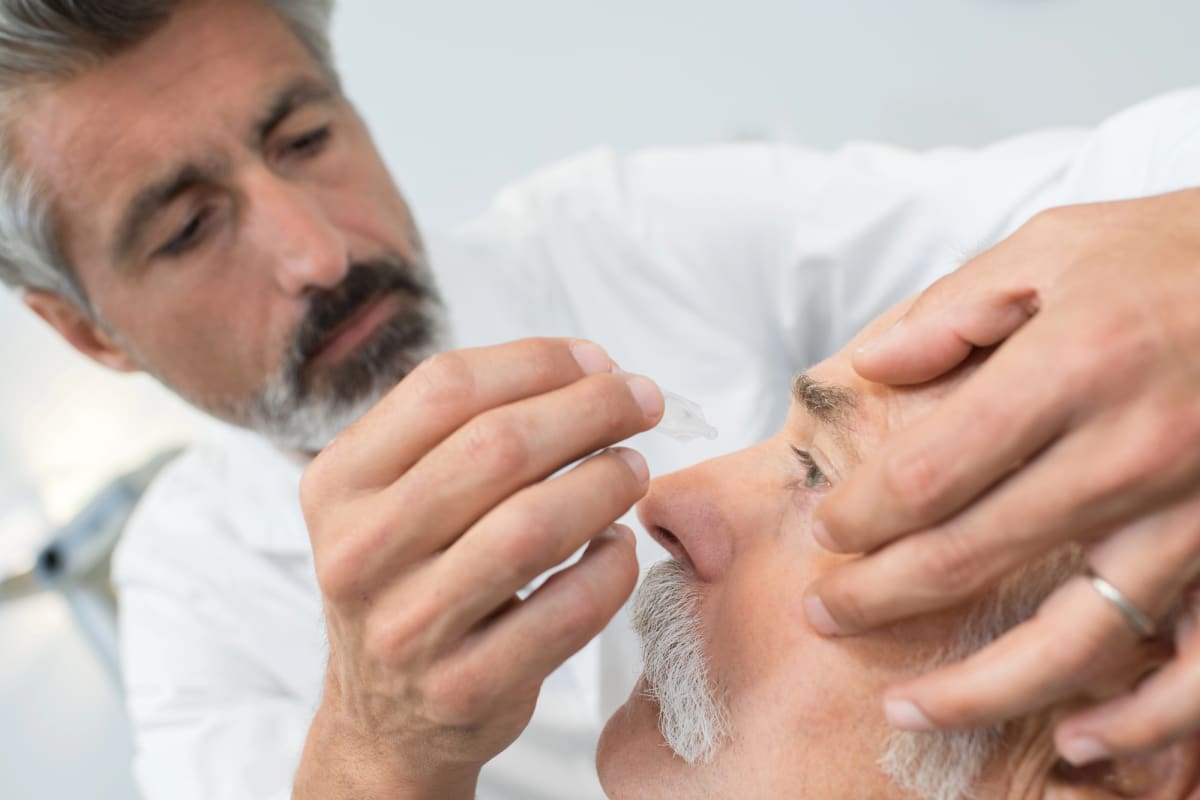
Rather than trying to restart the aging gene, researchers took a simpler approach. They injected the specific fatty acid that ELOVL2 normally produces directly into the eyes of older mice.
The results surprised even the scientists. Vision function improved significantly in the treated mice, effectively reversing some of the damage caused by aging.
Here's what makes this discovery even more interesting: common omega-3 supplements like DHA didn't work. The eye needs this particular fatty acid, proving that not all healthy fats serve the same purpose.
Beyond restoring sight, the treatment appeared to turn back the clock on aging at the molecular level. The retinas of treated mice showed fewer signs of age-related deterioration.
The team also discovered genetic variations in ELOVL2 that may predict who's at higher risk for macular degeneration. This could eventually allow doctors to identify vulnerable patients years before symptoms appear and start preventive treatments early.
Why This Inspires
This research represents a fundamental shift in how we think about aging and disease. For decades, scientists assumed age-related vision loss was simply an inevitable part of getting older.
Now we're learning that what looks like inevitable decline might actually be reversible. The study suggests our bodies don't just wear out randomly but follow specific biological pathways we can potentially redirect.
The implications stretch beyond vision. Early findings hint that the same lipid metabolism problems affecting the eye might also accelerate aging in the immune system, raising the possibility that targeted fatty acid therapies could support overall healthy aging.
While human trials are still years away, this research offers something precious to the millions facing vision loss: genuine scientific hope backed by real results.
The path from mouse studies to human treatments is long and uncertain, but this discovery proves that restoring function lost to aging isn't science fiction—it's increasingly science fact.
Based on reporting by Google News - Researchers Find
This story was written by BrightWire based on verified news reports.
Spread the positivity!
Share this good news with someone who needs it