Scientists Roll Hair-Thin Chips Like Sushi for Smart Clothes
Scientists in Shanghai created flexible computer chips as thin as human hair by rolling them like sushi. The breakthrough could lead to clothing that monitors your health and even enables doctors to perform surgery remotely.
Scientists just solved one of wearable technology's biggest problems by taking inspiration from your favorite Japanese restaurant.
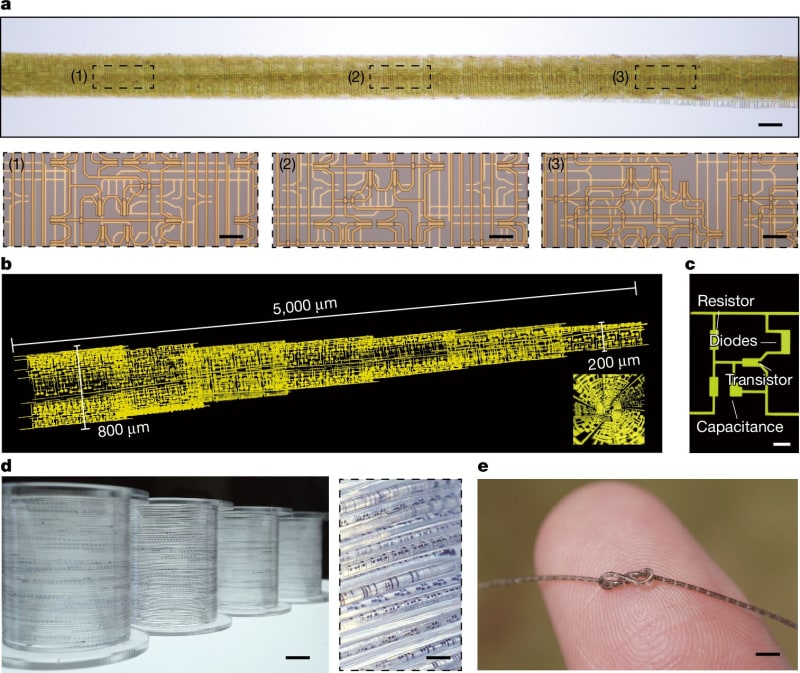
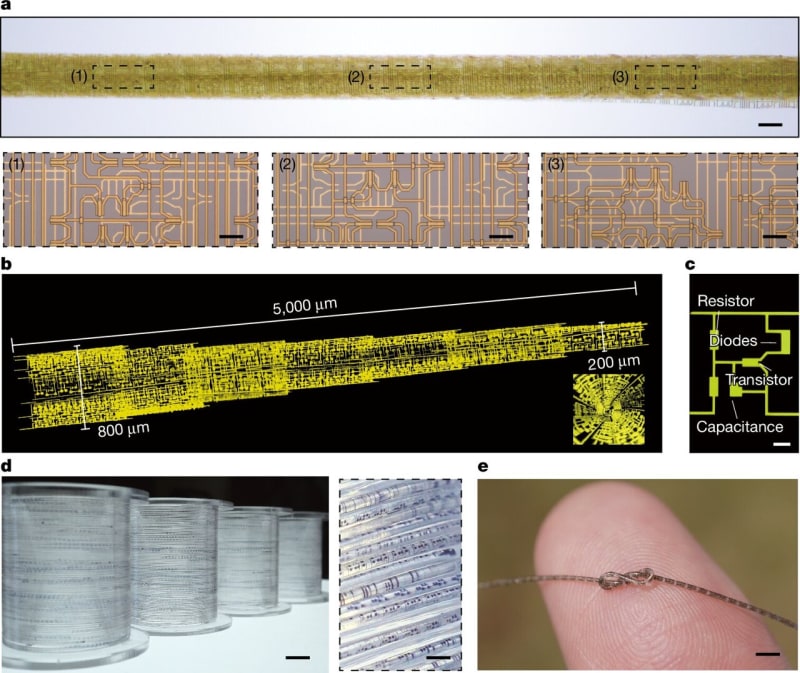
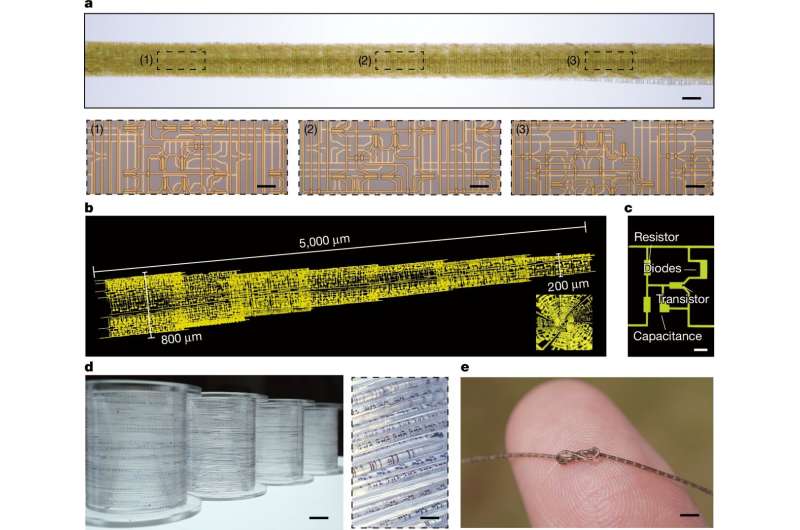
Researchers at Fudan University in Shanghai created computer chips as thin as a human hair that can bend, stretch, and twist without breaking. They did it by rolling electronics into tight spirals, just like making sushi rolls.
Current smart clothing has a major limitation. The fabrics can sense things like heart rate or movement, but they can't actually process that information on their own. They need to send data to external chips, making them bulky and less practical.
The Shanghai team changed that by rethinking how chips are built. Instead of placing circuits on rigid sheets like traditional chips, they printed electronics onto ultra-thin elastic material. Then they added a protective polymer layer for strength.
Here's where the sushi inspiration kicked in. The researchers rolled these thin sheets into tight multilayered spirals, packing 100,000 transistors into each centimeter. The rolling technique keeps all the circuits connected while allowing the chip to bend and flex naturally.
These fiber chips proved incredibly tough in testing. One survived being run over by a 15.6-ton container truck. Others endured 100,000 bends, stretching beyond 30%, and 100,000 rounds of rubbing without failing.
The power scales with length too. A short segment can run basic sensors, while a one-meter strand contains enough transistors to match a standard computer chip. And because each fiber contains its own power source, sensors, and processors, they work independently without any external hardware.
The Ripple Effect
This technology opens doors that seemed like science fiction just months ago. Doctors could wear gloves embedded with these fibers to perform remote surgery, feeling the texture and resistance of tissues from thousands of miles away. Athletes could wear shirts that analyze their movements in real time and provide instant feedback.
Health monitoring becomes seamless when your regular clothes can track vital signs continuously without bulky devices. Imagine a jacket that warns you about irregular heartbeats or pants that help physical therapy patients correct their walking form.
Lead researcher Huisheng Peng says these fiber circuits "bridge the gap between flexible wearables and true intelligent systems, enabling new ways for people to interact with electronics."
The fibers could even create interactive clothing that displays digital information or responds to touch, turning any garment into a smart interface.
Technology that bends without breaking just brought us one step closer to a future where our clothes think for themselves.
More Images

Based on reporting by Phys.org - Technology
This story was written by BrightWire based on verified news reports.
Spread the positivity!
Share this good news with someone who needs it