Scientists Solve 132-Year Mystery of How Cats Always Land
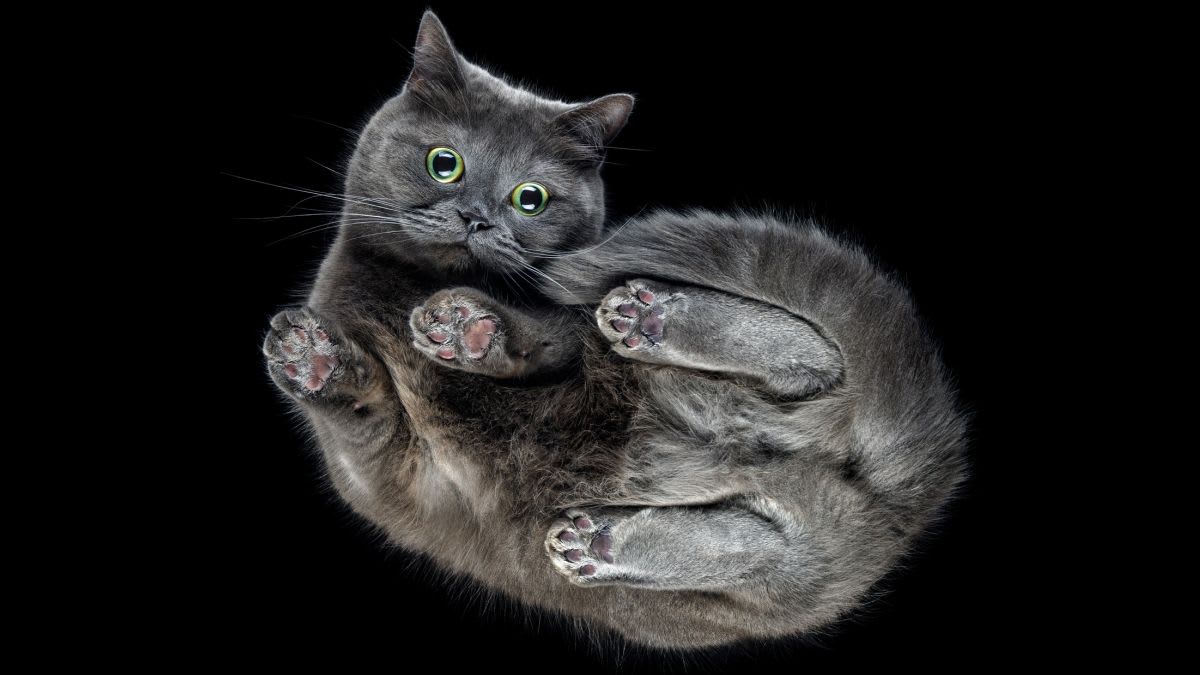
Researchers in Japan just cracked a physics puzzle that's stumped scientists since 1894: exactly how cats twist midair to land on their feet. The secret is in their flexible front spine and stiff rear spine working like a two-stage rotation system.
After 132 years of head-scratching, scientists finally understand the anatomical trick behind one of nature's most impressive moves.
Veterinary physiologist Yasuo Higurashi and his team at Yamaguchi University in Japan discovered that cats have two completely different spine types working together. The front half twists easily with three times more flexibility than the back, while the rear stays rigid and stable.
The mystery began in 1894 when French scientist Étienne-Jules Marey captured something impossible on early high-speed film. A cat started falling upside down with no spin, yet somehow flipped right-side up before landing. It seemed to break the fundamental laws of physics.
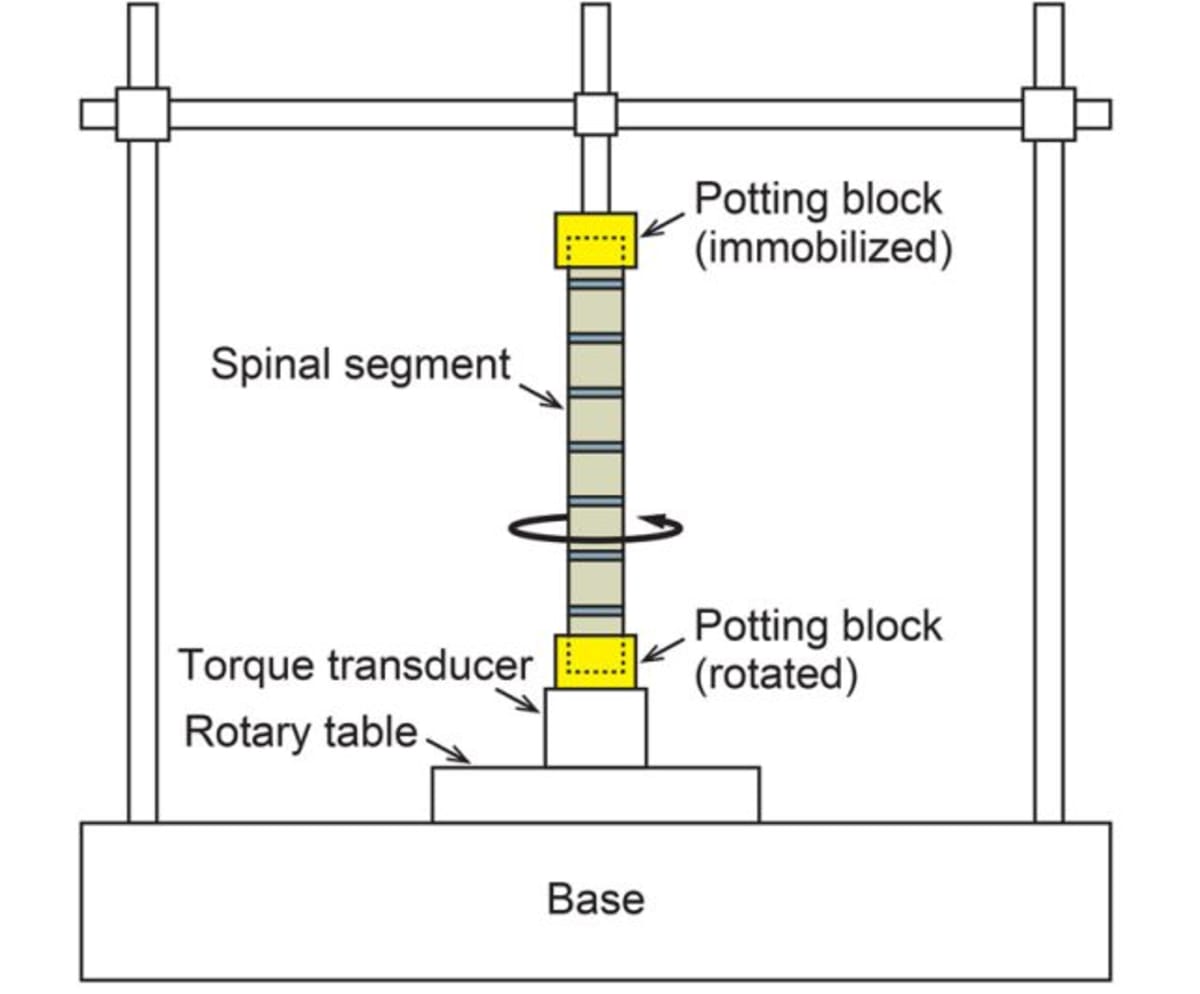
Scientists proved mathematically in 1969 that cats could rotate without breaking conservation of momentum, but nobody studied the actual anatomy until now. Higurashi's team tested spine sections from five donated cat bodies, twisting each segment in a specialized rig to measure flexibility, stiffness, and range of motion.
The results were striking. The thoracic spine near the front had about 47 degrees of effortless movement, while the lumbar spine in the back had zero. Every single cat showed the same pattern.
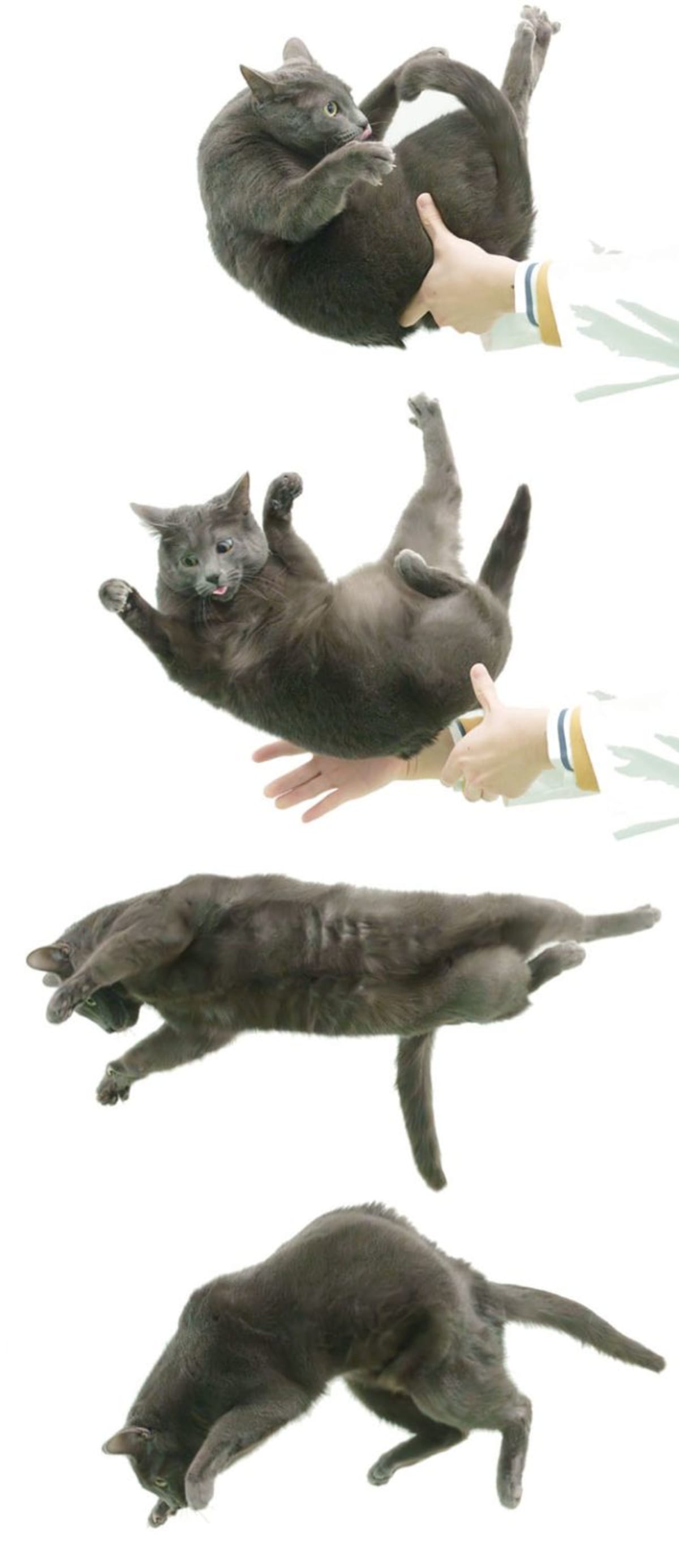
To see this in action, researchers filmed two living cats during short drops onto soft cushions. The footage revealed something new: cats don't twist all at once. The lighter, flexible front half rotates first, then the heavier, stiffer back end follows about 70 to 94 milliseconds later.
The Bright Side
This discovery goes beyond just explaining why your cat survives those kitchen counter mishaps. The same spine flexibility probably helps cats make those lightning-quick turns while running and pull off their legendary hunting moves.
Understanding how different animals evolved specialized spines could inspire better robotics design or help veterinarians treat spinal injuries. Plus, it proves that even after more than a century, nature still has tricks we haven't figured out.
The research also confirmed a 1998 study on anesthetized cats that showed similar flexibility patterns, making the findings even more solid.
After 132 years, we finally know that cats are literal two-stage rotating machines designed by evolution.
More Images

Based on reporting by Google News - Science
This story was written by BrightWire based on verified news reports.
Spread the positivity!
Share this good news with someone who needs it