Scientists Solve 300-Million-Year-Old Octopus Mystery
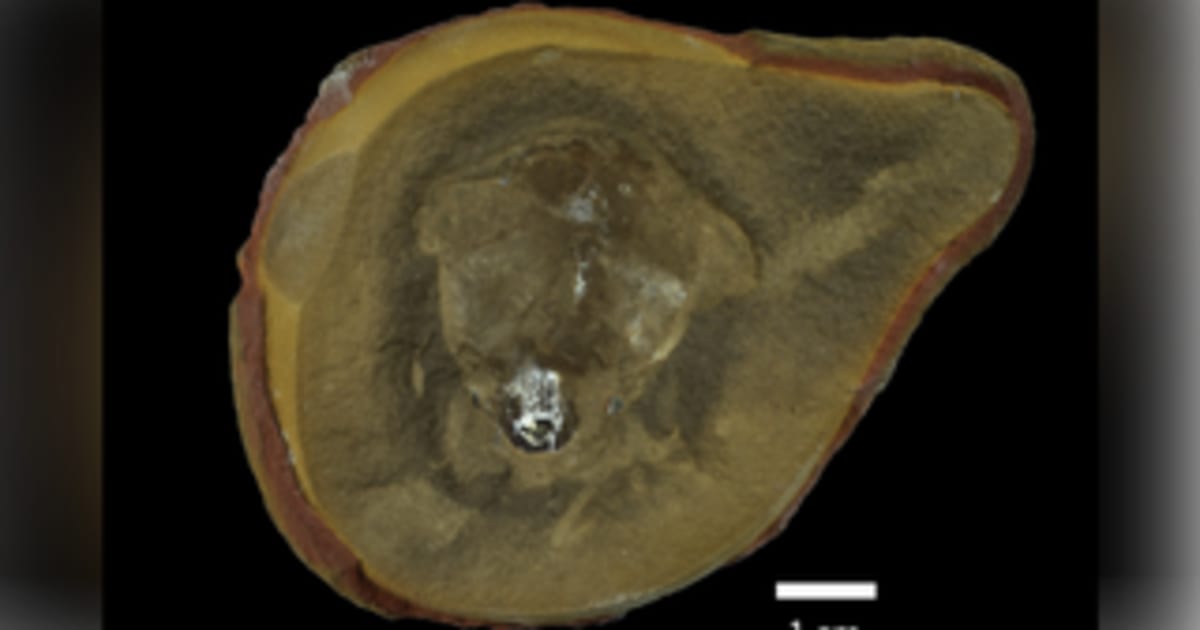
That "oldest octopus ever" fossil in the record books? Scientists just discovered it was never an octopus at all. Using technology brighter than the sun, researchers revealed what the mysterious blob really was.
The world's most famous octopus fossil just lost its title, and the story of how scientists figured it out is even better than the original discovery.
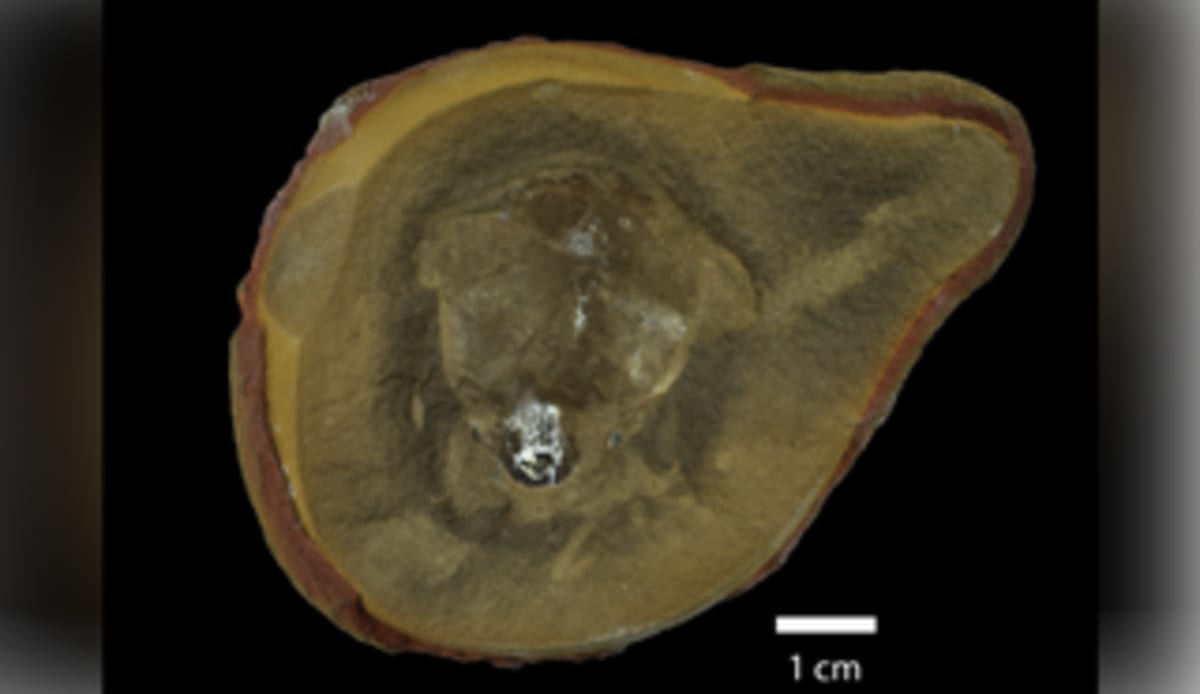
For over two decades, a hand-sized blob found in Illinois held the Guinness World Record as the earliest known octopus at 300 million years old. That made it nearly 200 million years older than any other octopus fossil ever found. But Thomas Clements, a zoology professor at England's University of Reading, suspected something wasn't right about that massive age gap.
"To look at it, it kind of just looks like a white mush," Clements told reporters. The fossil was so difficult to interpret that scientists had debated its identity since it was first classified as an octopus in 2000.
Clements and his team used a synchrotron, a machine that fires electrons to create beams of light brighter than the sun, to peer inside the fossil rock. What they found solved the mystery in a surprisingly simple way.
Hidden inside was a ribbon of teeth called a radula, common to many sea creatures. But here's the kicker: each row had 11 teeth. Octopuses only have seven or nine teeth per row.
"This has too many teeth, so it can't be an octopus," Clements explained. The teeth actually matched those of an ancient nautilus relative, a shelled creature that lived in the same Illinois waters 300 million years ago.
The mix-up likely happened because the creature lost its distinctive shell before fossilization, leaving behind only the confusing blob that paleontologists tried to identify in 2000.
Why This Inspires
This discovery shows why looking back matters just as much as looking forward. By reexamining old fossils with modern tools, scientists can unlock secrets that were hiding in plain sight for decades.
Guinness World Records is updating its books to reflect the new findings. The Field Museum in Chicago, which houses the fossil, now holds something arguably cooler: the oldest soft tissue nautilus ever found.
"Sometimes, reexamining controversial fossils with new techniques reveals tiny clues that lead to really exciting discoveries," Clements said.
Science isn't about being right the first time—it's about staying curious enough to keep asking questions.
More Images
Based on reporting by Google News - Science
This story was written by BrightWire based on verified news reports.
Spread the positivity!
Share this good news with someone who needs it

%2Fhttps%3A%2F%2Ftf-cmsv2-smithsonianmag-media.s3.amazonaws.com%2Ffiler_public%2F1f%2F15%2F1f158e9f-28fb-4fda-a54f-2977ecb3b0f8%2Fjust_found_head_close_up_at_an_angle.jpeg)