Scientists Solve 50-Year Mystery of Life's First Copy
For the first time, researchers have shown how RNA could have copied itself billions of years ago without any help from proteins or enzymes. This breakthrough solves a puzzle that's stumped origin-of-life scientists for decades.
Cambridge scientists just cracked one of biology's most stubborn mysteries: how the very first molecules of life could have copied themselves before cells, proteins, or anything we'd recognize as "alive" even existed.
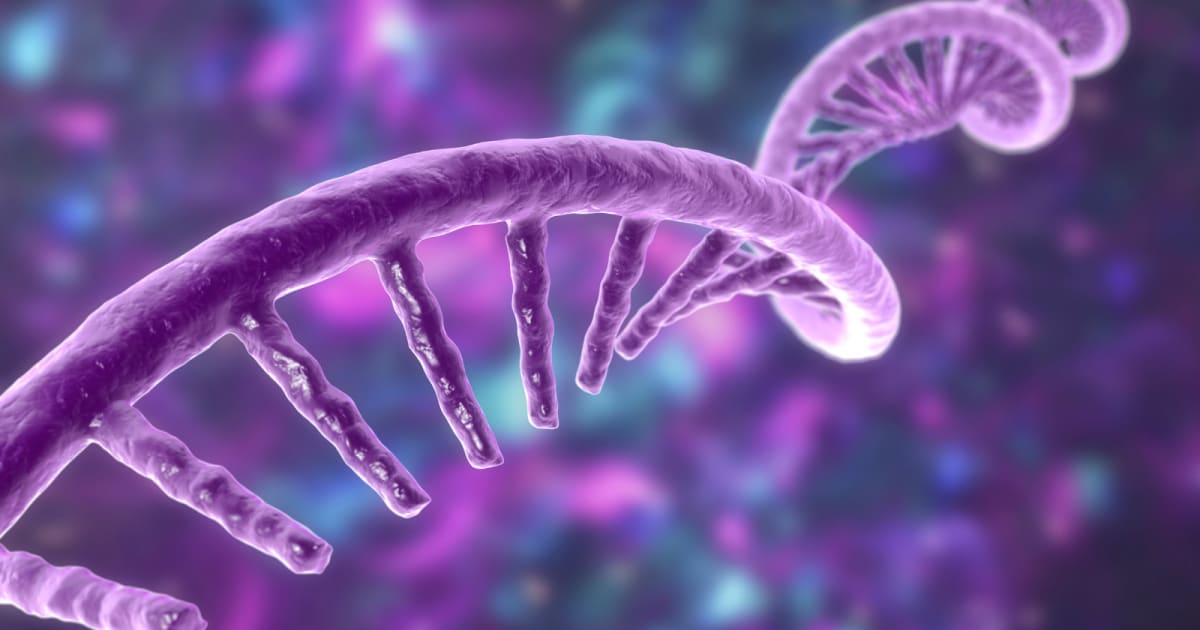
The problem had seemed almost impossible to solve. RNA molecules can store information and make copies of other RNA strands, which is why scientists think they were the first self-replicating molecules on Earth. But here's the catch: when an RNA strand copies itself, it creates a partner strand that sticks to it like molecular velcro, binding so tightly that neither strand can do anything else.
In modern cells, specialized proteins pull these stuck-together strands apart. But four billion years ago, there were no proteins. How could the first copies have separated to keep the cycle going?
Dr. James Attwater and Dr. Philipp Holliger at the MRC Laboratory of Molecular Biology found an elegant answer. They used building blocks made of three RNA letters instead of one, combined with natural freeze-thaw cycles that could have happened in ancient warm springs.
When the solution froze, thin channels of liquid formed between ice crystals. In those tiny spaces, the RNA building blocks concentrated and coated the separated strands, keeping them apart long enough to make new copies. When the ice melted and froze again, the process repeated.
The system worked through multiple rounds, creating exponential growth just like real life does. Both strands of the RNA duplex got copied, and the method worked on random sequences, not just specially designed ones.
Even more exciting: the sequences that survived started drifting toward patterns that look like the earliest versions of the genetic code we use today.
The proposed setting is surprisingly simple. A freshwater hot spring where underground heat meets cold air would create natural freeze-thaw cycles throughout the day and night. No salt water works because salt disrupts the freezing pattern.
This isn't the final answer to how life began. It's one solution to one specific roadblock in a much bigger puzzle. But it's a roadblock that had stalled progress for generations.
The Bright Side
What makes this discovery so hopeful is how it transforms an impossible problem into a solvable chemistry puzzle. The answer didn't require exotic conditions or incredible luck. Freeze-thaw cycles in freshwater springs are some of the most common geological features on Earth.
The finding also shows how patient, careful science eventually cracks even the toughest questions. Dozens of researchers across decades built the foundation that made this breakthrough possible.
Understanding how life could begin helps us appreciate how remarkable our existence is, while grounding it in chemistry and physics we can test and understand.
The oldest mystery we can ask is getting closer to an answer, one frozen droplet at a time.
More Images


Based on reporting by Google News - Science
This story was written by BrightWire based on verified news reports.
Spread the positivity!
Share this good news with someone who needs it