Scientists Team Up to Make Psychology More Reliable
Over 1,000 babies and dozens of research teams worldwide are helping solve psychology's "replication crisis" through massive collaborative studies. The results are making science stronger and more trustworthy than ever.
When baby Zoe grabbed the helpful puppet instead of the mean one, researchers thought they'd proven babies are born knowing right from wrong. But when other scientists tried the same experiment, many got different results.
That confusion frustrated developmental psychologist Kiley Hamlin. So in 2017, she did something revolutionary: she brought together 37 research teams across 18 countries to test more than 1,000 babies using the exact same experiment.
Hamlin wasn't alone in thinking bigger. Throughout the 2010s, psychology faced a tough reckoning when researchers discovered that many famous studies couldn't be repeated. Scientists called it the "replication crisis," and it shook the field to its core.
The problem? Many groundbreaking studies tested too few people, leading to results that didn't hold up when others tried them. One major project found that only half of 100 published psychology experiments could be replicated successfully.
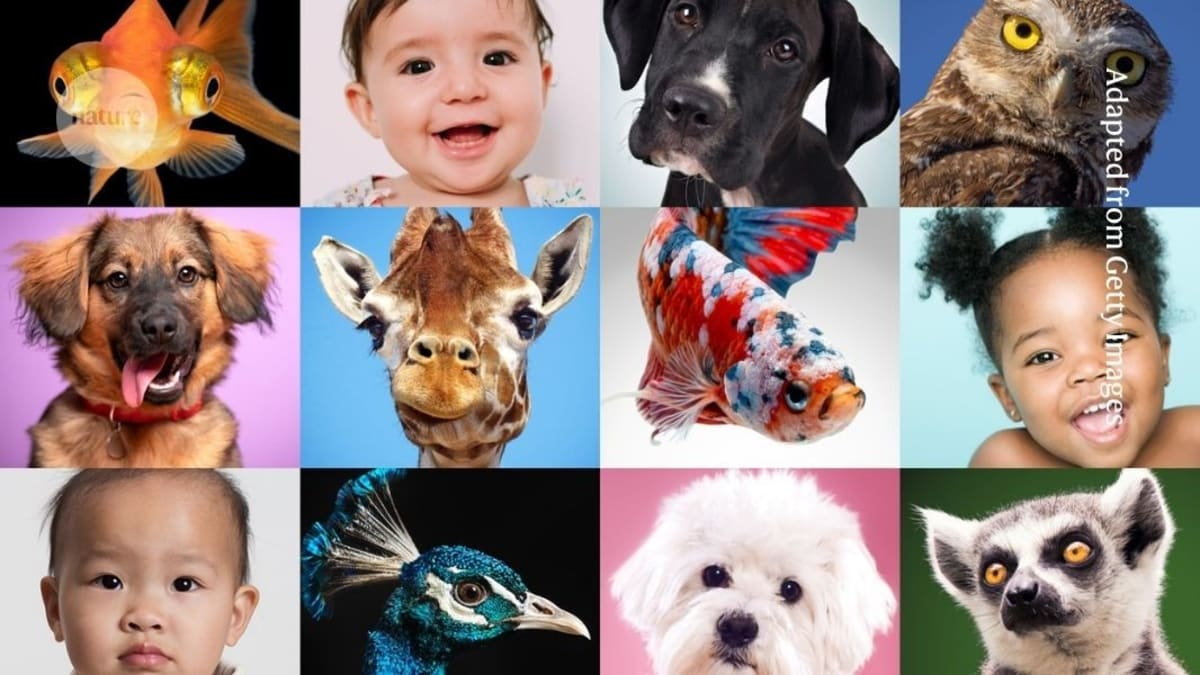
But instead of giving up, psychologists started building international teams of hundreds of researchers. They began testing the same questions together, pooling their data to get clearer answers. From babies to dogs to flamingoes, these mega-studies are now investigating how minds really work.
The approach is paying off. Projects like "ManyBabies" and "Many Labs" have tested everything from infant cognition to classic psychology effects. One effort involving 36 research groups successfully replicated 10 out of 13 famous psychology findings, giving scientists new confidence in those results.
These collaborations are solving the statistical power problem that plagued smaller studies. When Kelsey Lucca, a developmental psychologist at Arizona State University, joined the baby puppet study, she saw the value immediately. Combining subjects across labs gives researchers the strength to test important questions properly.
The Ripple Effect
This movement toward bigger, more collaborative science isn't just fixing old problems. It's changing how researchers think about their work entirely.
Scientists who once competed now cooperate, sharing data and methods openly. Labs in different countries work together as equals, making psychology more diverse and representative. The field is becoming more transparent, with researchers documenting every step so others can check their work.
Other sciences are taking notice too. From particle physics to biology, fields that already relied on large teams are watching psychology's transformation with interest. The lessons learned about collaboration, transparency, and rigorous testing apply far beyond infant puppet shows.
Recent results show that roughly half of social science findings hold up under rigorous replication. While that might sound discouraging, researchers see it differently. Knowing which results are solid makes the entire field stronger and more credible.
Science is learning to question itself better, and that's making it more trustworthy for everyone.
More Images



Based on reporting by Nature News
This story was written by BrightWire based on verified news reports.
Spread the positivity!
Share this good news with someone who needs it