Scientists Track 34,000 Asteroids to Keep Earth Safe
Space agencies have discovered 95% of large asteroids that could threaten Earth, and none are heading our way. New telescopes launching soon will help scientists find and track the smaller ones even faster.
Scientists are getting really good at protecting Earth from space rocks, and the news keeps getting better.
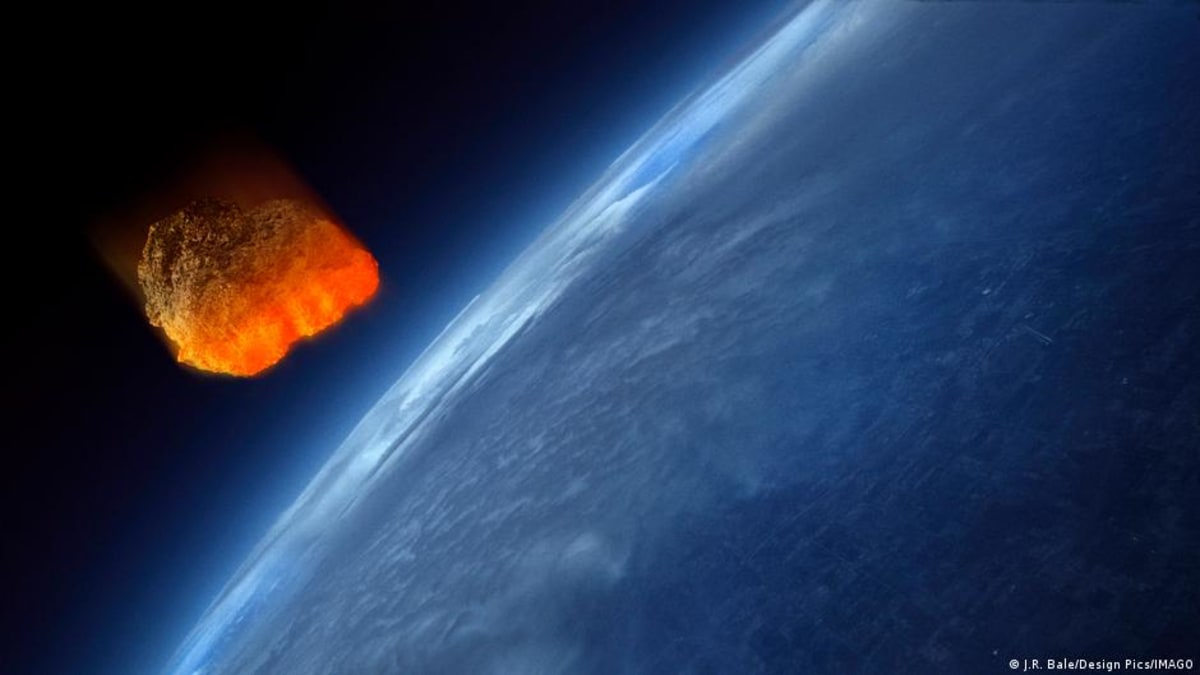
Space agencies around the world now track about 34,000 near-Earth objects, and they've found 95% of the large asteroids that could cause global disasters. The best part? None of them are on a collision course with our planet for at least the next century.
"We estimate there are around one thousand objects larger than a kilometer and we have discovered 95% of them," said Juan Luis Cano of the European Space Agency's Planetary Defense Office. These are the ones that could cause events like the asteroid that ended the age of dinosaurs 66 million years ago.
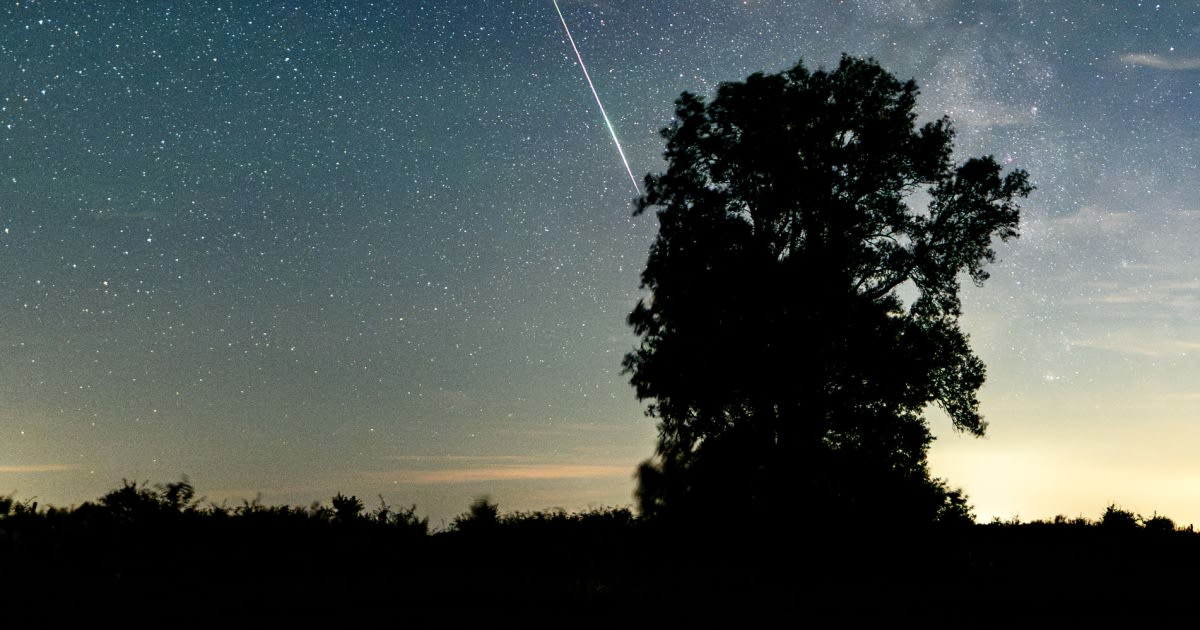
While scary headlines about asteroids pop up regularly, the reality is far less frightening. Around 100 tons of space material actually hits Earth every day, but it's spread across countless tiny rocks that burn up harmlessly in our atmosphere.
Scientists discover about 3,000 new near-Earth asteroids every year. The challenge now is finding smaller ones faster, especially those about 40 meters wide that could damage a city if they struck at the wrong angle.
New technology is making this job easier. The Vera Rubin Observatory, currently under construction in Chile, will spend the next decade creating a time-lapse map of the universe. "This is going to revolutionize the number of asteroids we discover," said Cano.
NASA's NEO Surveyor, launching in 2027, will help find potentially hazardous asteroids within 50 million kilometers of Earth's orbit. Europe is building four new "Flyeye" telescopes specifically designed to scan wide areas of the night sky.
The Bright Side
Our planetary defense systems work remarkably well. When scientists first spotted the asteroid Apophis in 2004, it seemed threatening. But repeated observations helped them plot its exact path and confirm it poses no danger.
Amy Mainzer, a planetary scientist at UCLA who leads the NEO Surveyor mission, explains that tracking these objects and sharing findings helps everyone stay informed and safe. The system turns scary unknowns into predictable, manageable information.
Every discovery adds another piece to our cosmic safety net, and that net gets stronger every year.
Based on reporting by DW News
This story was written by BrightWire based on verified news reports.
Spread the positivity!
Share this good news with someone who needs it