Scientists Track Turtle Nests With X-Rays and Thread Spools
Smithsonian researchers are using portable X-rays and 216-yard spools of thread to solve one of conservation's toughest puzzles: finding wild turtle nests. Their creative methods are revealing crucial secrets about how Eastern box turtles survive.
Scientists just turned detective work into an art form, using hospital equipment and craft supplies to protect one of Virginia's most beloved creatures.
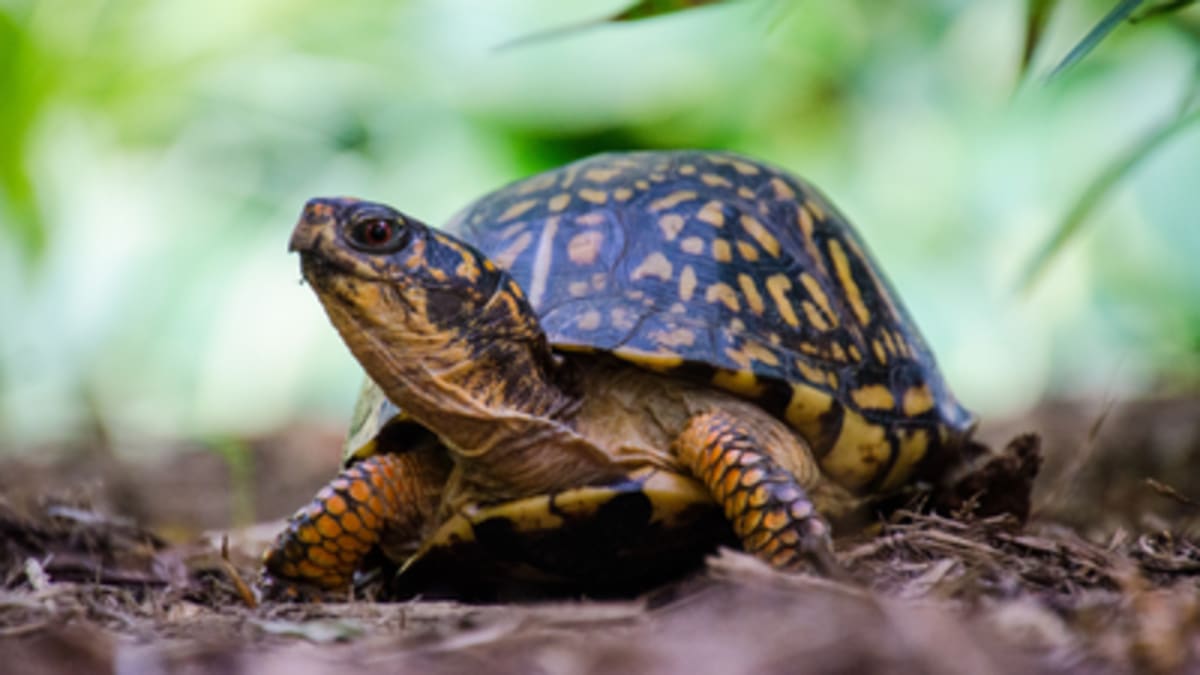
Smithsonian researchers studying Eastern box turtles have cracked the code on finding hidden nests in the wild. Their toolkit sounds like it came from a quirky inventor's workshop: portable X-ray machines, plastic cups, and massive spools of thread that stretch 216 yards.
The challenge is real. Female box turtles wander through huge areas before choosing the perfect spot to dig a small hole and lay two to five eggs. Once she covers the nest and walks away, finding those eggs becomes nearly impossible.
The team's solution started with the X-ray machine. Veterinary technicians use it to peek inside female turtles and see if they're carrying developing eggs. A simple plastic cup holds the turtle steady during the quick scan, making the whole process surprisingly gentle.
Once they identify a female ready to nest, the real creativity kicks in. Researchers attach a small bobbin of thread to her shell, leaving one end at a marker where they found her. As the turtle travels searching for the perfect nesting spot, she unspools a physical trail behind her.
The next day, researchers follow the thread like a treasure map. When they reach areas where the thread loops and concentrates, they know the turtle stopped to dig. Fresh soil and a 20 to 80 gram weight loss in the female confirm success.
During eight weeks of fieldwork across five sites tracking 56 tagged turtles, the team located 16 nests. Trail cameras captured what happened next, revealing both challenges and hope for these creatures.
Why This Inspires
The ingenuity on display here shows what's possible when scientists refuse to give up. Instead of accepting that turtle nests were too hard to find, the Smithsonian team got creative with everyday materials.
Their work is already paying off beyond just counting nests. Every thread trail followed and every X-ray taken adds crucial knowledge about where turtles choose to nest and how they behave during this vulnerable time. This information helps conservationists design better protection strategies for declining populations.
The 56 turtles being tracked since 2022 are becoming ambassadors for their species, teaching researchers lessons that could benefit box turtles across their entire range. Each spool of thread is literally connecting scientists to answers they've sought for years.
Simple tools solving complex problems remind us that breakthrough conservation work doesn't always require expensive technology. Sometimes it just takes looking at old challenges in completely new ways.
More Images



Based on reporting by Google News - Researchers Find
This story was written by BrightWire based on verified news reports.
Spread the positivity!
Share this good news with someone who needs it