Scientists Turn Bacteria Into Light-Powered Chemical Factories
Researchers have engineered bacteria that produce complex molecules using light-activated reactions, transforming single-celled organisms into tiny manufacturing plants. This breakthrough could revolutionize how we make medicines, materials, and other valuable compounds. ---
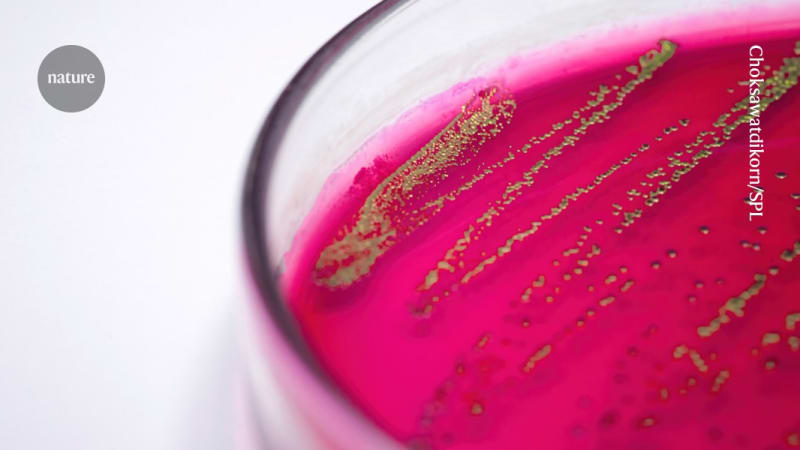
Scientists just turned ordinary bacteria into microscopic factories that make complex chemicals on command using nothing but light.
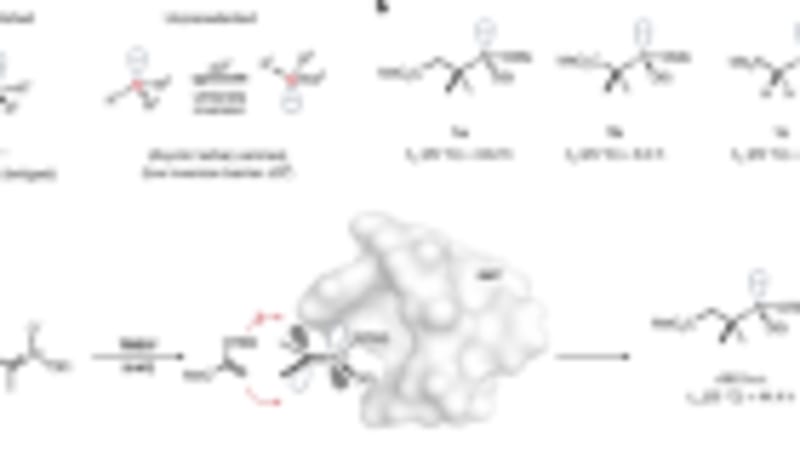
Researchers engineered E. coli bacteria to produce molecules that don't even exist in nature by activating special light-powered reactions inside the cells. Think of it like giving bacteria a tiny solar panel that powers their chemical production.
The breakthrough, published in Nature Catalysis, opens up exciting possibilities for manufacturing. Instead of building massive chemical plants that require extreme heat, pressure, and toxic solvents, we could grow these living factories in simple tanks.
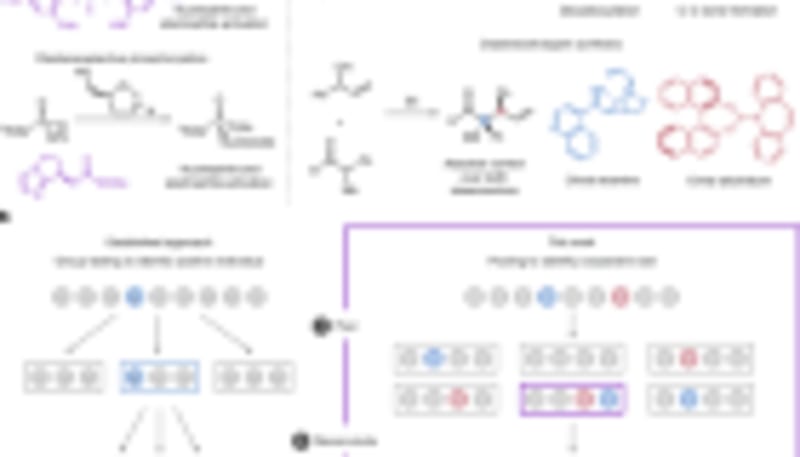
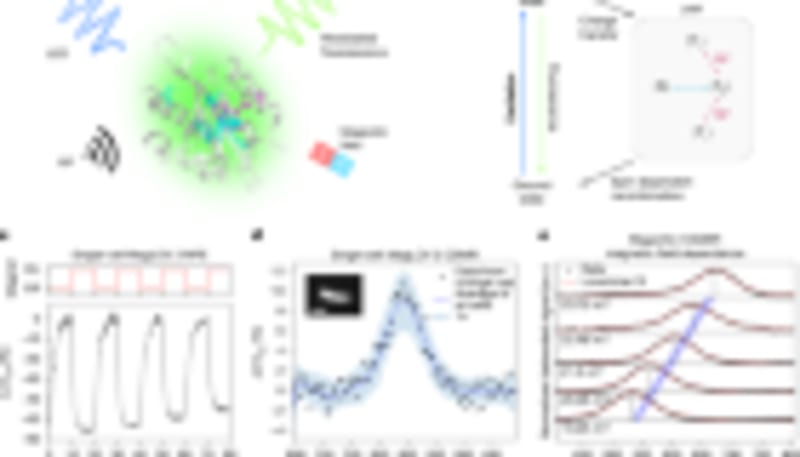
The bacteria work like programmable assembly lines. Scientists insert genes that respond to specific wavelengths of light, and when they shine that light on the cultures, the bacteria start churning out the desired molecules.
This approach is gentler on the environment than traditional chemical manufacturing. The bacteria work at room temperature, don't need harsh chemicals, and can be fed simple, renewable ingredients like sugar.
The technology could transform how we make medications, especially complex drugs that are difficult and expensive to produce today. It might also create new materials, fuels, and specialty chemicals that were previously too costly or environmentally damaging to manufacture.
The Ripple Effect
This discovery represents a fundamental shift in how we think about manufacturing. Instead of building more factories, we could be growing our production facilities in fermentation tanks.
The pharmaceutical industry stands to benefit first. Many life-saving drugs require dozens of chemical steps to produce, each generating waste and requiring expensive equipment. These bacterial factories could compress those steps into a single, clean biological process.
Beyond medicine, the technology could help produce sustainable alternatives to petroleum-based chemicals. As we transition away from fossil fuels, biological manufacturing offers a renewable path forward for materials we use every day.
The research team demonstrated that their light-powered bacteria could make molecules with precise structures that would be nearly impossible to create through conventional chemistry. That precision matters for drugs, where even tiny molecular differences can mean the difference between a cure and a side effect.
Other researchers are already building on this work, exploring different bacterial species and light-sensitive proteins to expand what these living factories can produce.
The future of manufacturing might not look like sprawling industrial complexes but rather like greenhouses full of glowing bacterial cultures, quietly producing everything from cancer medications to biodegradable plastics, one cell at a time.
---
More Images

Based on reporting by Nature News
This story was written by BrightWire based on verified news reports.
Spread the positivity!
Share this good news with someone who needs it