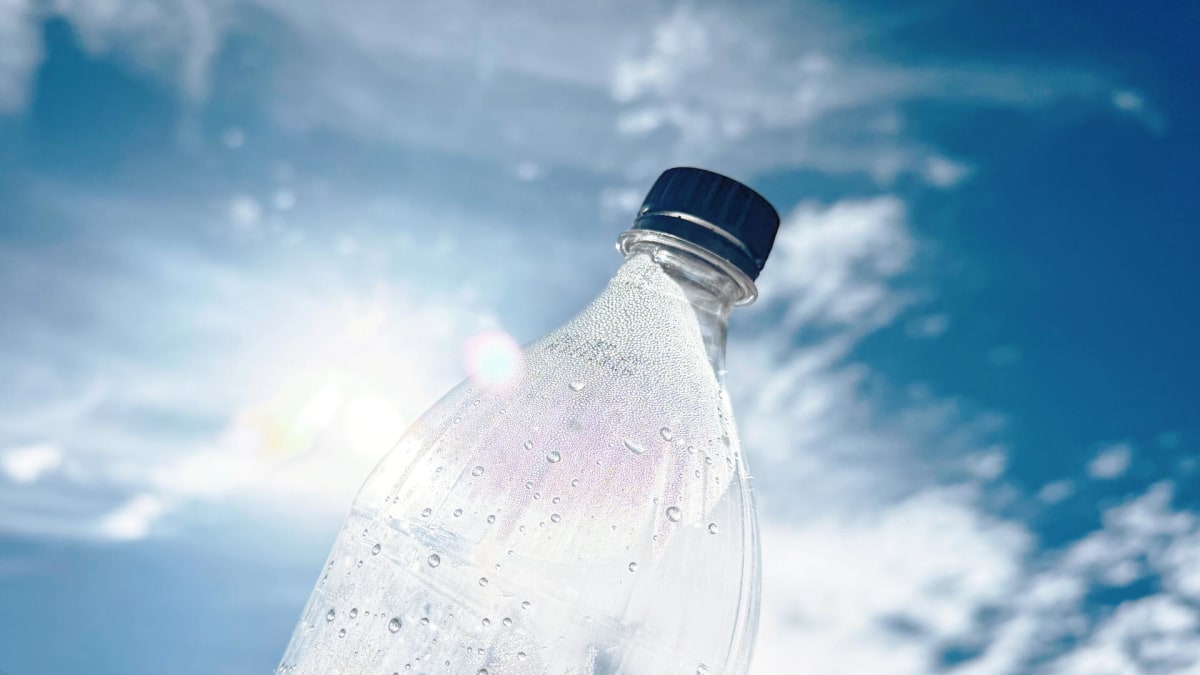
Scientists Turn Plastic Waste Into Clean Fuel Using Sunlight
Australian researchers are using sunlight to convert plastic trash into hydrogen fuel and valuable chemicals, tackling two global crises at once. The breakthrough could transform millions of tons of pollution into clean energy.
What if the plastic bottles clogging our oceans could power our future instead? Scientists at the University of Adelaide are making that vision real, using nothing but sunlight to turn plastic waste into clean hydrogen fuel.
The team, led by PhD candidate Xiao Lu, has developed a solar-powered system that breaks down plastics into hydrogen and other useful industrial chemicals. The process works at relatively low temperatures using special light-sensitive materials called photocatalysts.
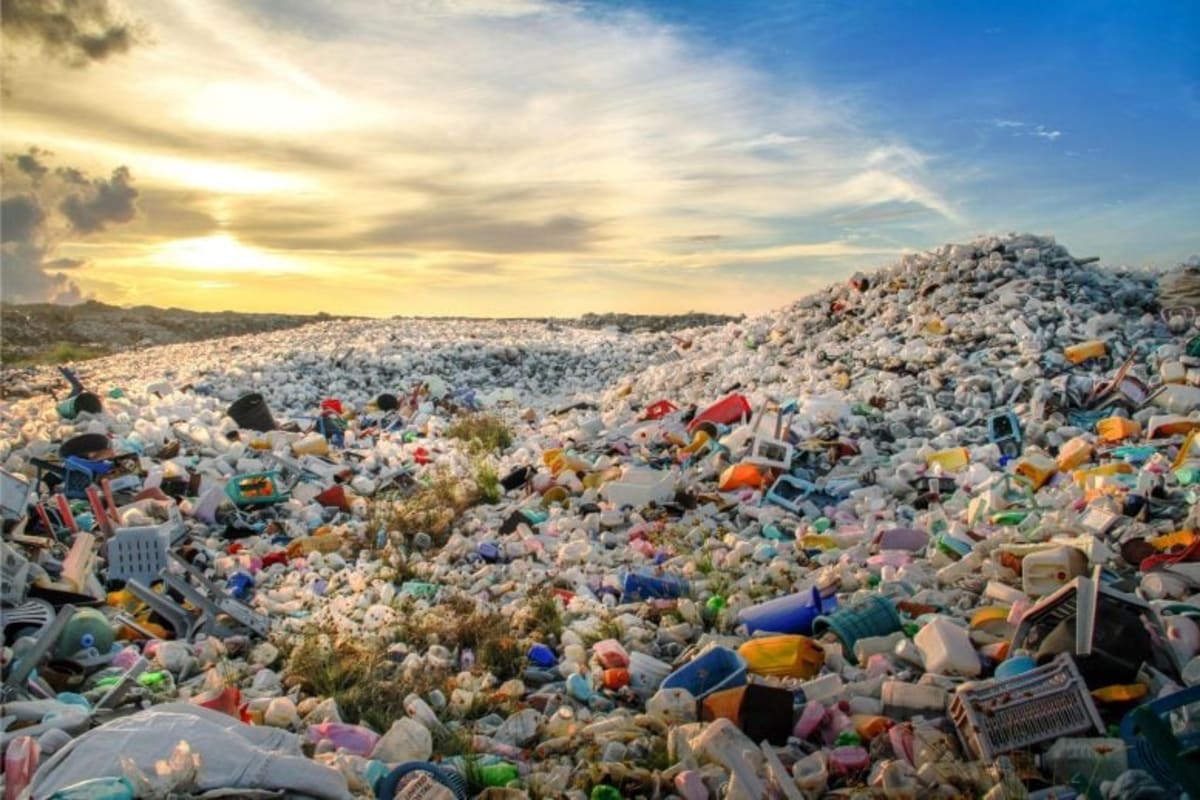
Here's why this matters now. More than 500 million tons of plastic get produced every year, and millions of tons pollute our environment. At the same time, the world desperately needs cleaner alternatives to fossil fuels.
"Plastic is often seen as a major environmental problem, but it also represents a significant opportunity," Lu explained. "If we can efficiently convert waste plastics into clean fuels using sunlight, we can address pollution and energy challenges at the same time."
The technology requires less energy than traditional hydrogen production because plastics are easier to break down than water. That makes it more practical for large-scale use.
Recent tests have shown impressive results. Some systems have run continuously for more than 100 hours while producing high-quality hydrogen alongside acetic acid and diesel-range hydrocarbons. The performance keeps improving as researchers refine the process.
Of course, challenges remain before this can work at industrial scale. Different types of plastics behave differently, and additives like dyes can interfere with the conversion process. The photocatalysts themselves need to become more durable to handle harsh chemical conditions without degrading.
Professor Xiaoguang Duan, senior author of the study, acknowledges the gap between laboratory success and real-world application. "We need more robust catalysts and better system designs to ensure the technology is both efficient and economically viable at scale," he said.
Separating the final products also poses difficulties since the process creates a mix of gases and liquids requiring energy-intensive purification. The team is working on integrated solutions combining better catalyst design, improved reactor engineering, and enhanced monitoring systems.
The Bright Side
This research arrives at exactly the right moment. Plastic pollution has become one of our most visible environmental disasters, with microplastics now found everywhere from mountain peaks to ocean depths. Meanwhile, the race to replace fossil fuels grows more urgent every year.
The Adelaide team's approach addresses both problems simultaneously, turning a pollutant into a resource. Their published roadmap outlines specific goals for higher energy efficiency and continuous industrial operation in the coming years.
The funding comes from the Australian Research Council, demonstrating government commitment to scaling up this promising technology. With continued innovation, solar-powered plastic conversion could become a cornerstone of the circular economy.
"This is an exciting and rapidly evolving field," Lu said, and the science backs up her optimism.
More Images
Based on reporting by Google News - Renewable Energy Breakthrough
This story was written by BrightWire based on verified news reports.
Spread the positivity!
Share this good news with someone who needs it