Scientists Unite in Ghana to Save Wildlife With AI
Scientists from Ghana, Brazil, and the UK are training a new generation of researchers to use AI and cutting-edge tech to reverse the 73% decline in global wildlife populations. The four-day workshop in Kumasi is equipping conservation professionals with tools that could transform how Africa protects its endangered species.
When scientists from three continents gathered in Kumasi this week, they brought something wildlife desperately needs: hope backed by technology.
The Biodiversity Monitoring Tools Workshop is training Ghana's next generation of conservation researchers to fight back against a sobering reality. Global wildlife populations have plummeted 73% between 1970 and 2020, with Africa experiencing a 76% decline.
The four-day event, running through March 27, brings together the Forestry Commission of Ghana, the University of Bristol, and research institutions from Brazil. Their mission goes beyond sharing knowledge. They're putting powerful new tools directly into the hands of African scientists.
Participants are learning to use artificial intelligence for biodiversity monitoring, Species Distribution Models, and Environmental DNA analysis. These technologies allow researchers to track animal populations and ecosystem health without invasive methods, dramatically reducing the workload that has long strained conservation efforts.
Dr. Fillipe Machado França, a senior research fellow at the University of Bristol, emphasized the workshop's real-world focus. "We want to fill the science and policy gap," he explained. "Sometimes we are generating knowledge, but we need to make sure that the knowledge being created here is being adopted and translated into real actions in the real world."
The timing couldn't be more critical. More than one million species now face extinction, with amphibians and marine mammals among the most threatened.
The Ripple Effect
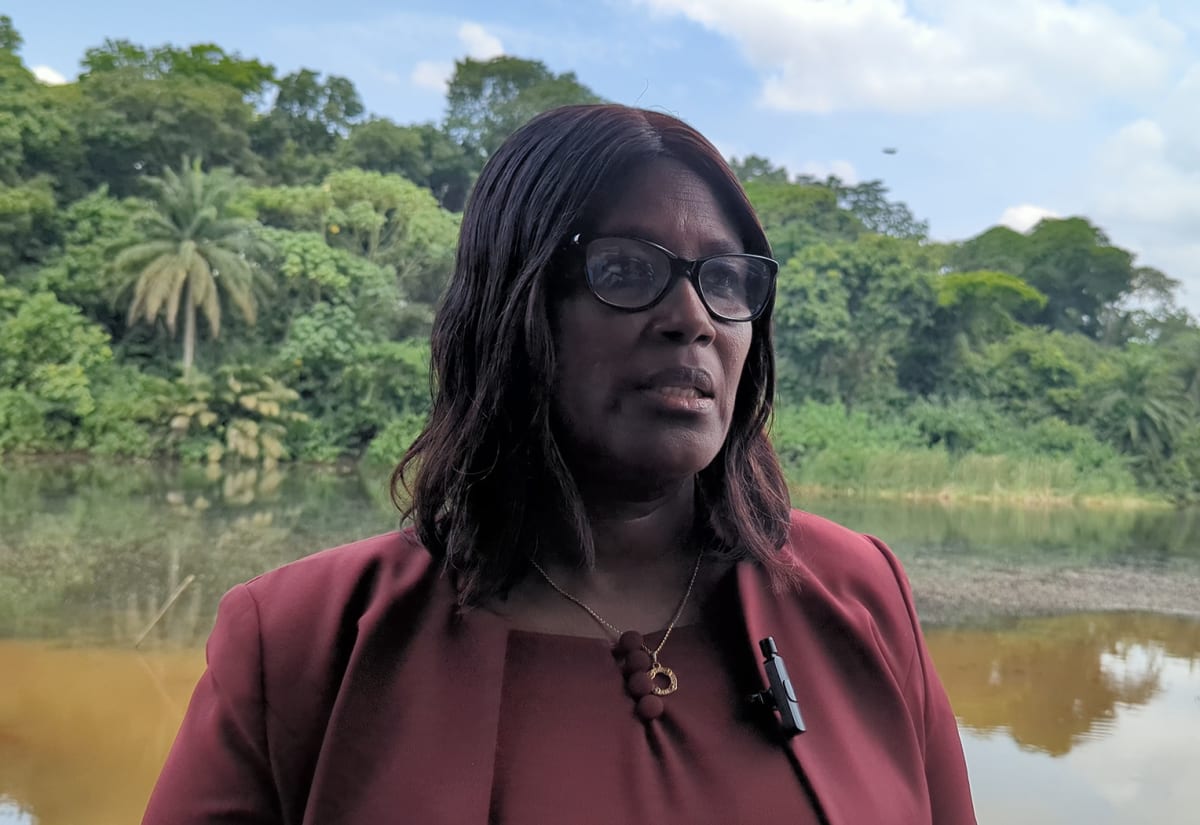
This partnership represents something bigger than a single workshop. Dr. Lucy Mensah, Deputy Director of Ghana's Forestry Research Institute, sees it as building long-term capacity for an entire generation of African scientists.
"Partnering with this group from the University of Bristol in the UK and our Brazilian colleagues would build the capacity of a new generation of scientists in Ghana," she said. The goal is to help Ghana fulfill its government mandate to conserve biodiversity and forest resources.
Dr. Mensah also called for greater government investment in AI training so these tools can become embedded in national conservation operations. "With regards to the technological improvements, we need a lot of training because there are many kinds of AI," she noted.
Researcher Jannatu Fridaus from the University of Ghana's Department of Marine and Fisheries Sciences is already planning how to apply her new skills. "I expect that the knowledge that will be shared from the workshop, which has to do with AI-driven biodiversity tools, Species Distribution Models and also the eDNA, I would be able to apply it in my research area," she said.
The workshop proves that when global expertise meets local commitment, the tide can turn for wildlife that has been losing ground for five decades.
Based on reporting by Myjoyonline Ghana
This story was written by BrightWire based on verified news reports.
Spread the positivity!
Share this good news with someone who needs it