Scientists Unlock Blood-Brain Barrier for Brain Disease Cures
International researchers discovered how to engineer tiny medicine carriers that trick the body's own blood proteins into safely delivering drugs past the brain's protective barrier. This breakthrough could transform treatment for Alzheimer's, Parkinson's, and deadly brain cancers.
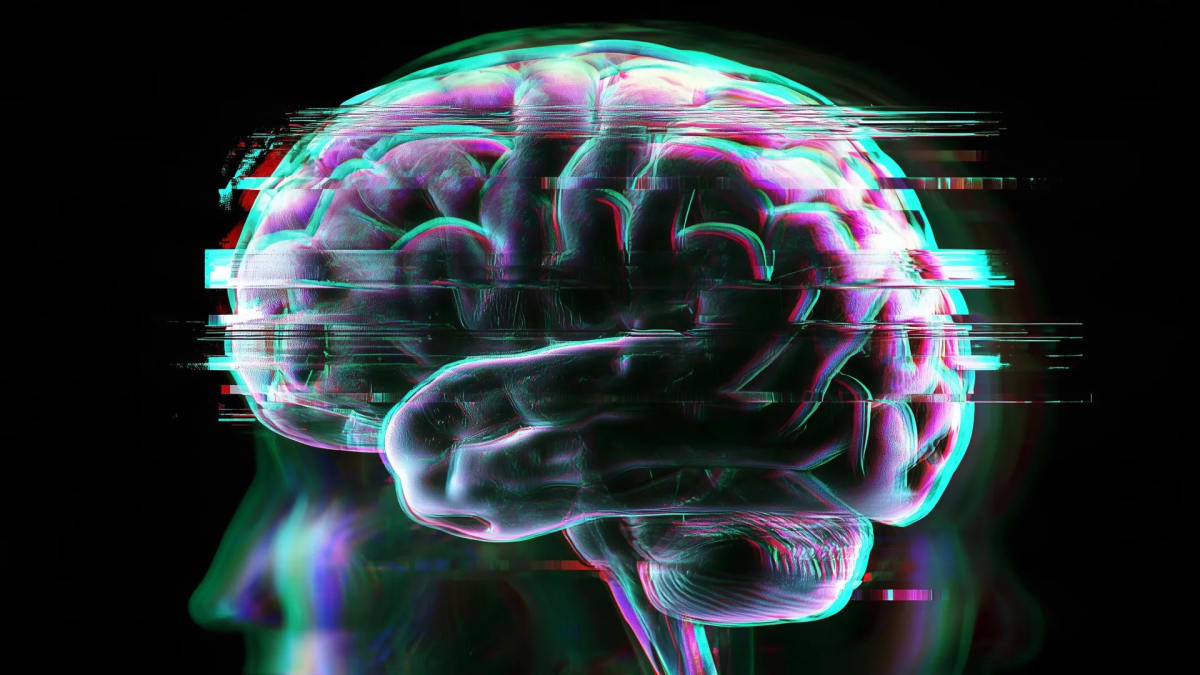
The blood-brain barrier has stumped doctors for decades, blocking 98% of potential treatments from reaching patients suffering from Alzheimer's, Parkinson's, and aggressive brain tumors. Now, an international research team has flipped the script on one of medicine's most stubborn problems.
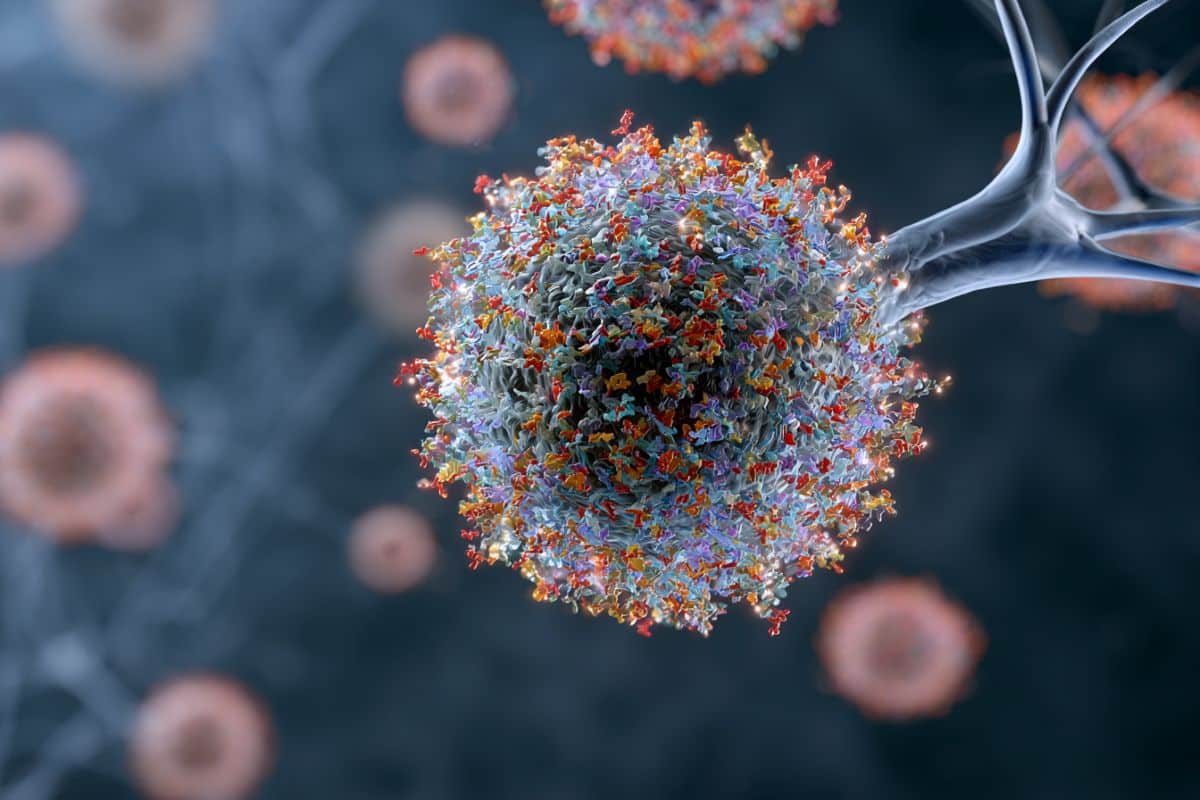
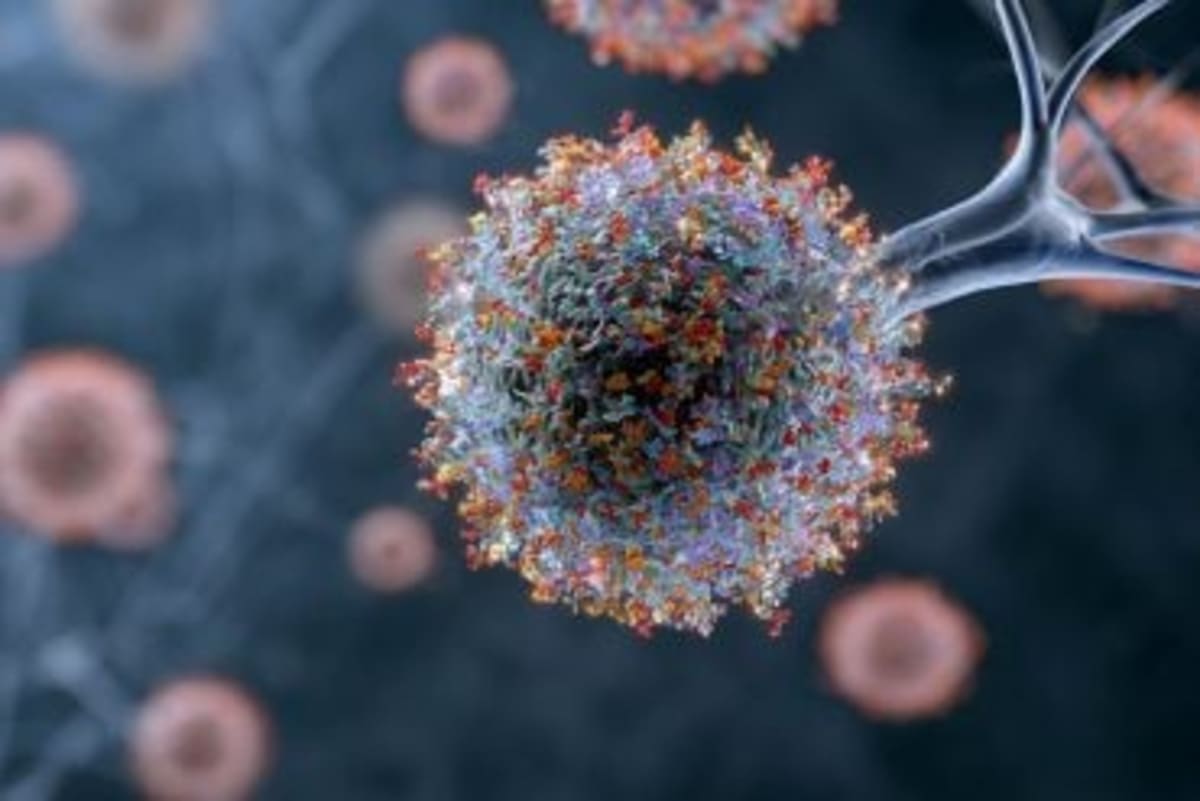
Scientists at Science China Press discovered that protein coronas, the natural protein layers that form around medicine particles in the bloodstream, aren't the enemy researchers thought they were. Instead, these proteins can be programmed to act as navigation systems, guiding treatments directly through the barrier's cellular corridors.
The breakthrough centers on receptor-mediated transcytosis, a natural cellular pathway that recognizes specific proteins and transports them through brain blood vessel walls. By adjusting a nanoparticle's surface chemistry, researchers can make it attract the right proteins from a patient's own blood, like apolipoproteins and transferrin.
These self-assembled protein coats then act as biological keys, unlocking receptors on brain blood vessel cells and hitching a ride through to the other side. The medicine doesn't need to wait for damaged vessels or lucky leaks; it uses the body's own delivery system.
The research team mapped this journey through five critical checkpoints: circulatory screening, receptor binding, cellular uptake, internal sorting, and release on the brain side. At each stage, the protein corona actively reshapes itself, swapping blood proteins for cellular proteins that determine whether the drug reaches its target or gets destroyed.
Why This Inspires
This research represents a fundamental shift from fighting the body's defenses to working with them. Instead of trying to sneak past the blood-brain barrier, scientists are learning to speak its language.
The approach moves beyond one-size-fits-all treatment toward precision medicine. Future therapies could match nanoparticle designs to each patient's unique blood protein fingerprint, using machine learning and organ-on-a-chip testing platforms to custom-build delivery systems.
For families watching loved ones battle degenerative brain diseases or aggressive cancers like glioblastoma, the barrier has meant watching effective drugs exist but remain forever out of reach. This research offers a pathway to finally deliver those treatments where they're needed most.
The team acknowledges challenges ahead, particularly because animal models often overestimate delivery success. Brain tumors themselves present unpredictable landscapes of intact barriers and leaky patches.
Still, understanding how to program protein coronas opens entirely new possibilities for neuroscience and brain cancer treatment. The same barrier that evolved to protect our brains might soon become the highway that delivers their cure.
More Images
Based on reporting by Google News - Disease Cure
This story was written by BrightWire based on verified news reports.
Spread the positivity!
Share this good news with someone who needs it