Scientists Use Earth to Unlock Saturn Moon's Secrets
Researchers discovered that Earth's landscapes hold surprising clues to understanding Titan, Saturn's mysterious moon, paving the way for NASA's 2036 mission. The breakthrough could help us explore one of the solar system's most Earth-like worlds. #
Scientists just realized that the key to exploring one of the most alien worlds in our solar system has been sitting right under our feet.
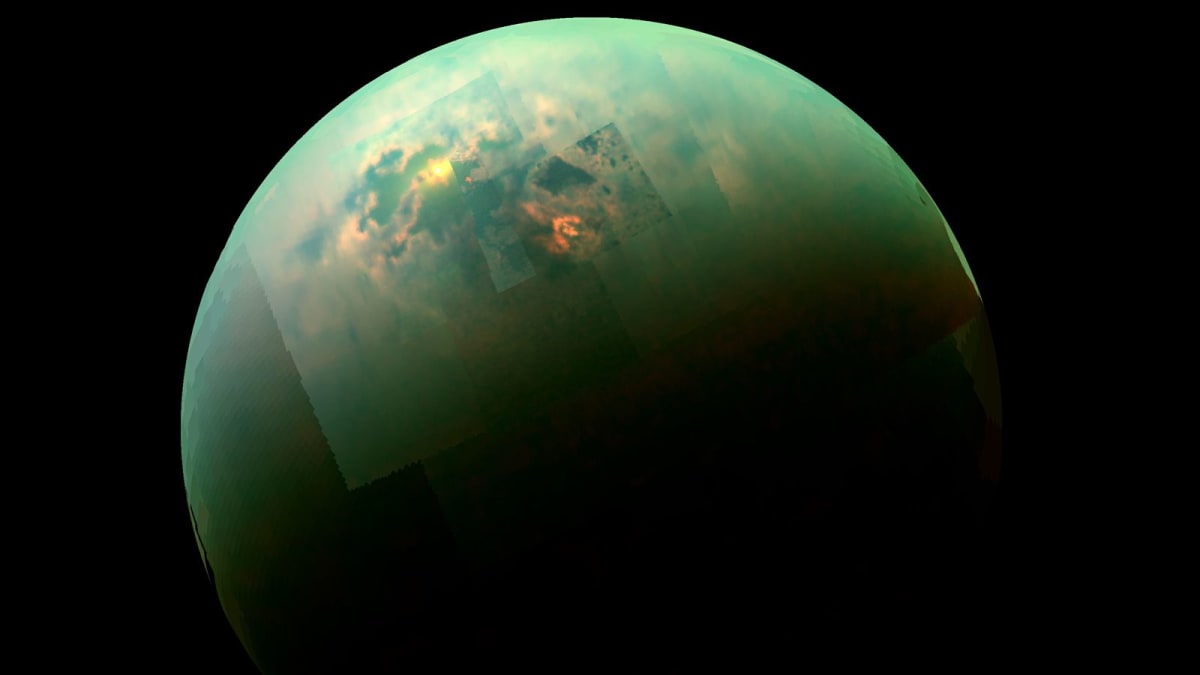
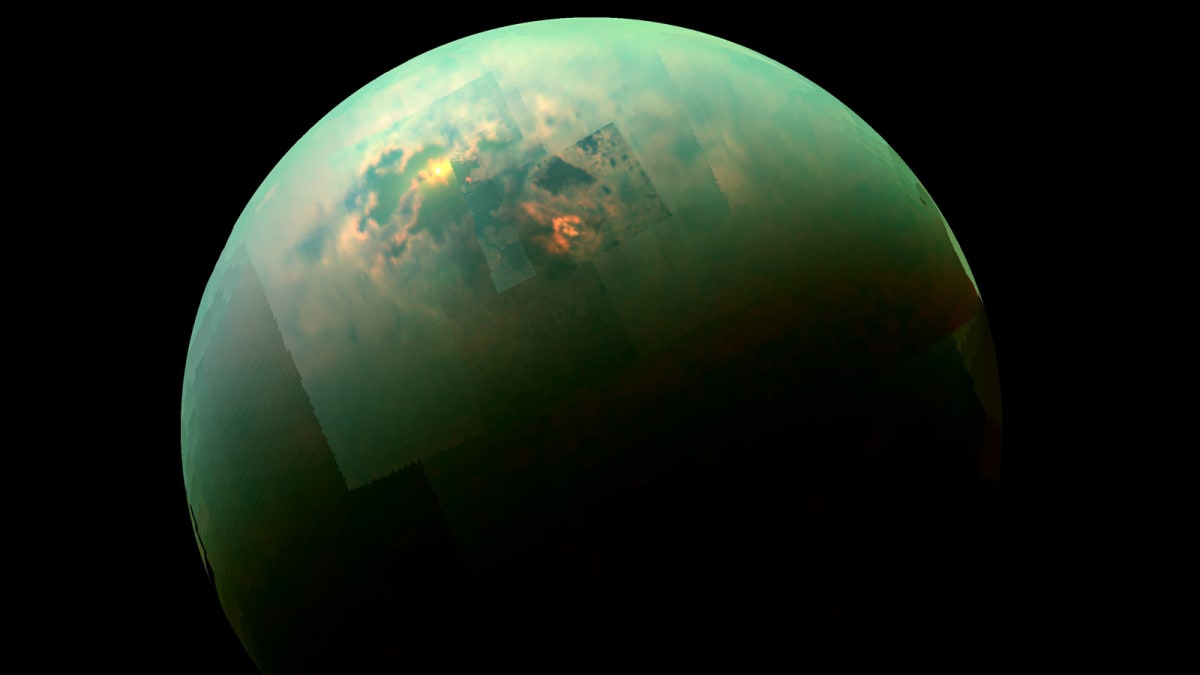
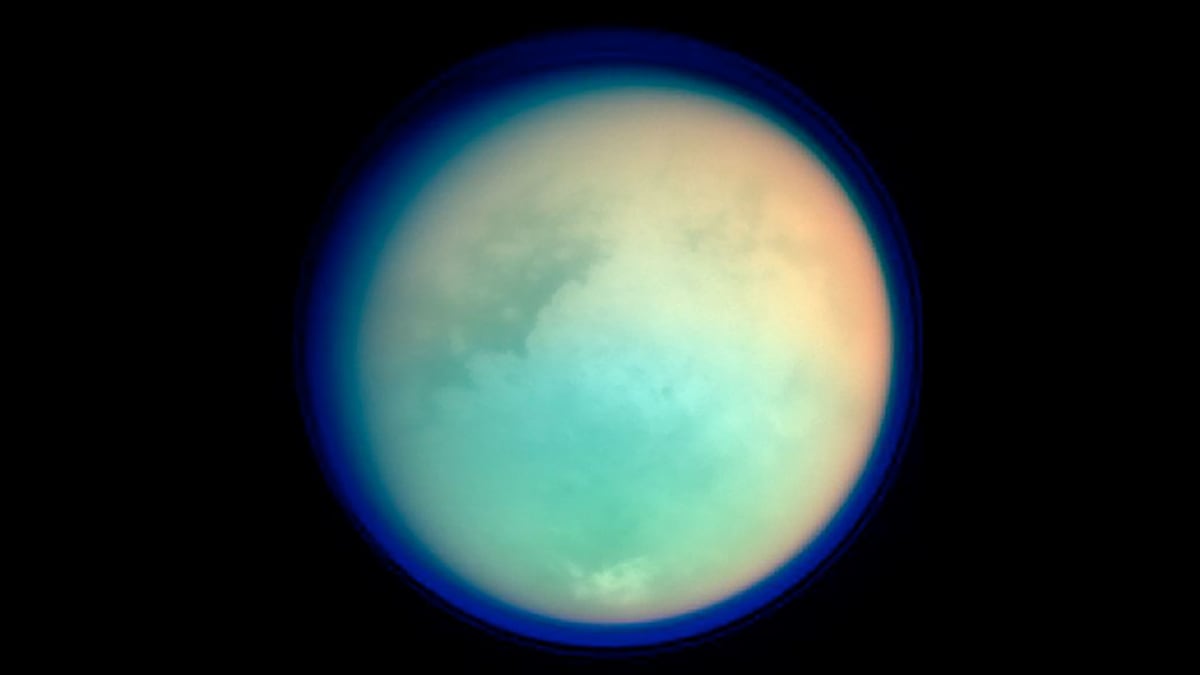
Titan, Saturn's largest moon, seems impossibly different from Earth. It's a frozen world where methane rains carve rivers and fill seas, with temperatures colder than anything we experience here.
But researchers publishing in arXiv discovered something remarkable. Despite the temperature and chemistry differences, Titan's geological processes mirror Earth's in stunning ways.
Both worlds have thick nitrogen atmospheres. Both have active weather systems that create rainfall. Both have rivers, lakes, and coastlines shaped by flowing liquids.
On Titan, hydrocarbons do what water does here. They sculpt landscapes, erode shorelines, and create the same karst terrain we see in places like Kentucky's cave country.
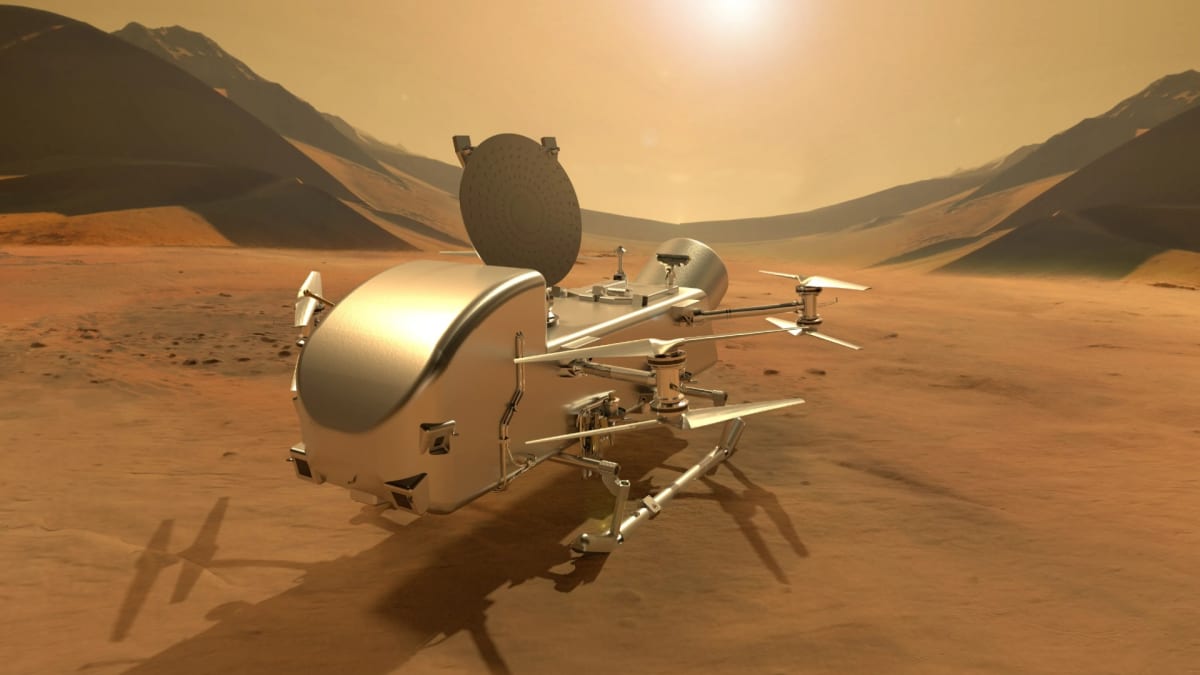
This connection matters more than ever with NASA's Dragonfly mission launching toward Titan in 2036. The rotorcraft lander will explore a 50-mile-wide crater where liquid water may have once mixed with organic compounds.
Scientists can now test Dragonfly's instruments at Earth locations that mimic Titan's processes. They can practice identifying features and refine their techniques before the spacecraft arrives billions of miles away.
The Ripple Effect
This Earth-based research opens possibilities scientists hadn't seriously considered before. The range of useful test sites on our planet turns out to be far wider than anyone imagined.
Teams can study how liquids carve channels in different materials. They can observe how shorelines evolve and how weather patterns shape surfaces over time.
Every field test here improves our chances of understanding what Dragonfly discovers on Titan. It's like having a practice run for exploring another world.
The mission's goal extends beyond geology. Scientists hope to find clues about prebiotic chemistry and possibly even chemical signatures of life.
Titan represents one of the few places in our solar system where complex organic chemistry happens on a planetary scale. Understanding it could reveal how life's building blocks form and survive.
The breakthrough reminds us that exploration doesn't always require leaving home. Sometimes the most profound discoveries come from looking at familiar places with fresh perspective.
When Dragonfly touches down on Titan's surface in 2036, it will carry insights gathered from deserts, coastlines, and cave systems here on Earth, proving that our home planet remains humanity's greatest teacher for understanding the cosmos.
#
More Images
Based on reporting by Space.com
This story was written by BrightWire based on verified news reports.
Spread the positivity!
Share this good news with someone who needs it