Sea Cucumber Tissue Lives 3+ Years After Amputation
Scientists accidentally discovered that severed sea cucumber body parts can heal themselves and survive indefinitely in regular ocean water. The detached tissues lived for over three years without dying, potentially rewriting what we know about tissue regeneration and longevity.
A small piece of sea cucumber tissue has been quietly rewriting the rules of biology for more than three years, healing itself and absorbing nutrients without a mouth, brain, or connection to its original body.
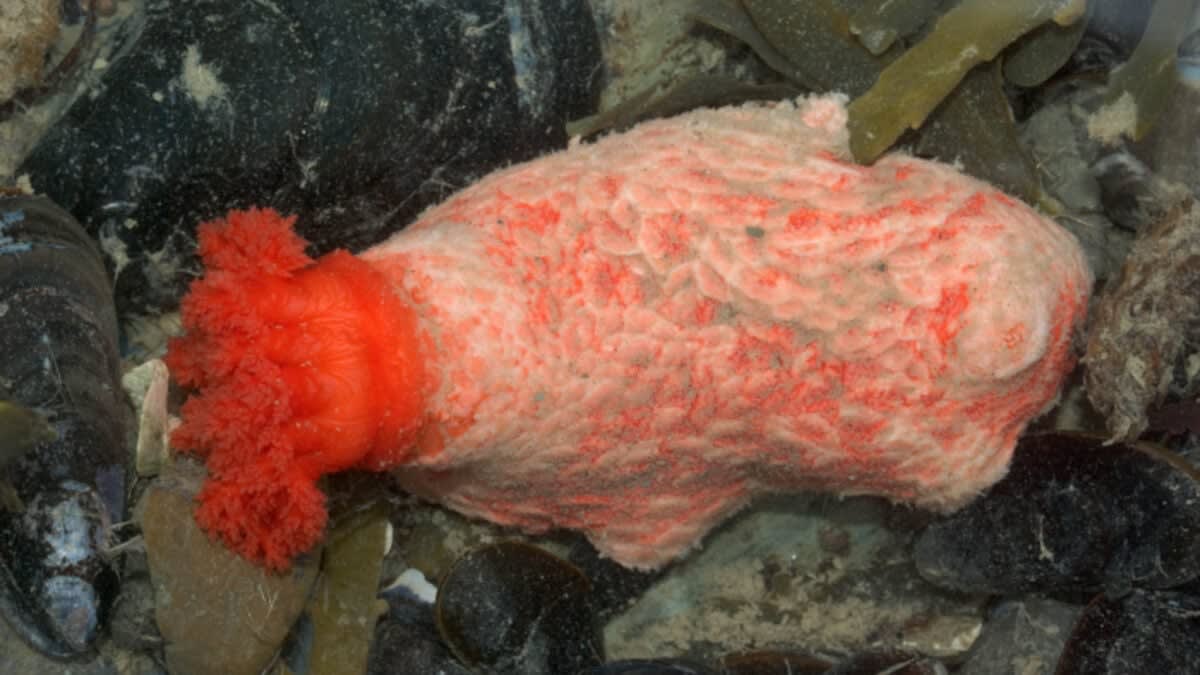
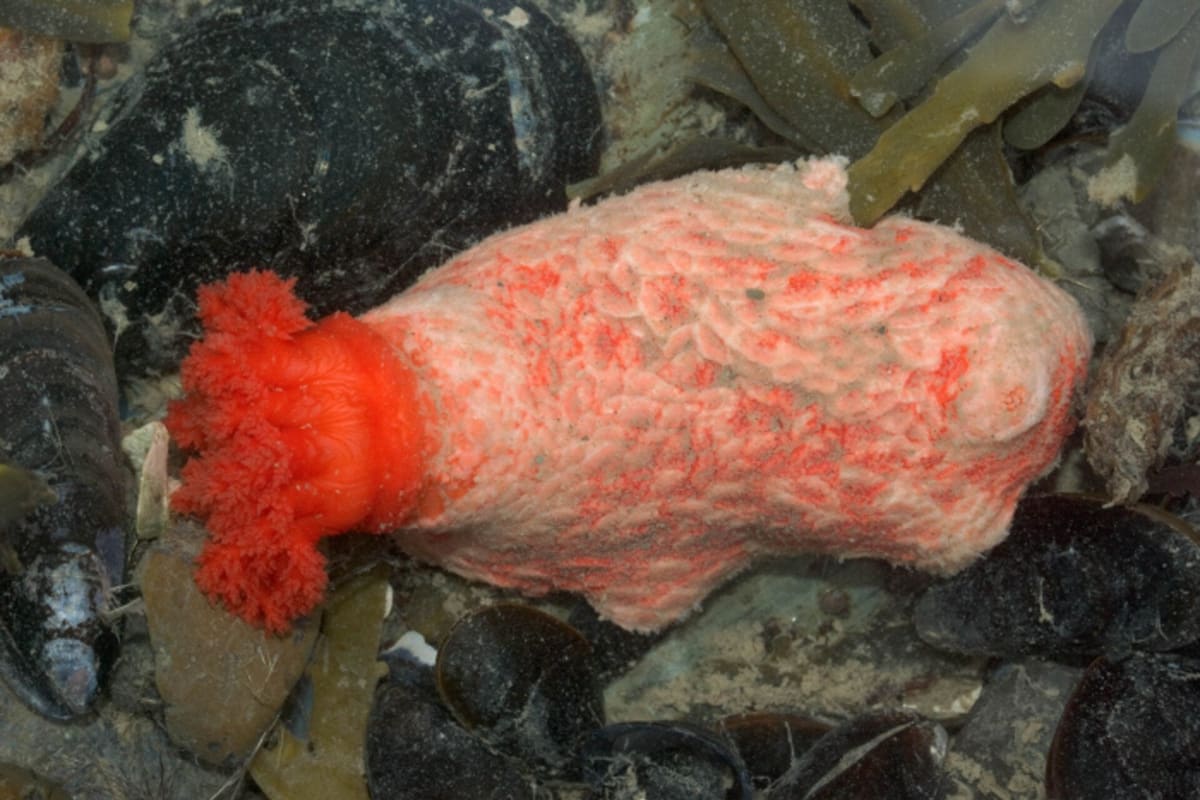
Researchers at Memorial University of Newfoundland were simply trying to understand what happens to discarded sea cucumber parts when they made their stunning discovery. Doctoral student Sara Jobson and her team snipped off tiny pieces from the tentacles, feet, and bodies of Psolus fabricii, a sea cucumber species found in Arctic waters, and placed them in ordinary seawater.
Instead of decaying like everyone expected, the severed tissues immediately began repairing themselves. They shed damaged cells at the wound edges and curled healthy tissue inward to seal themselves closed, all without any sterile lab conditions or special treatment.
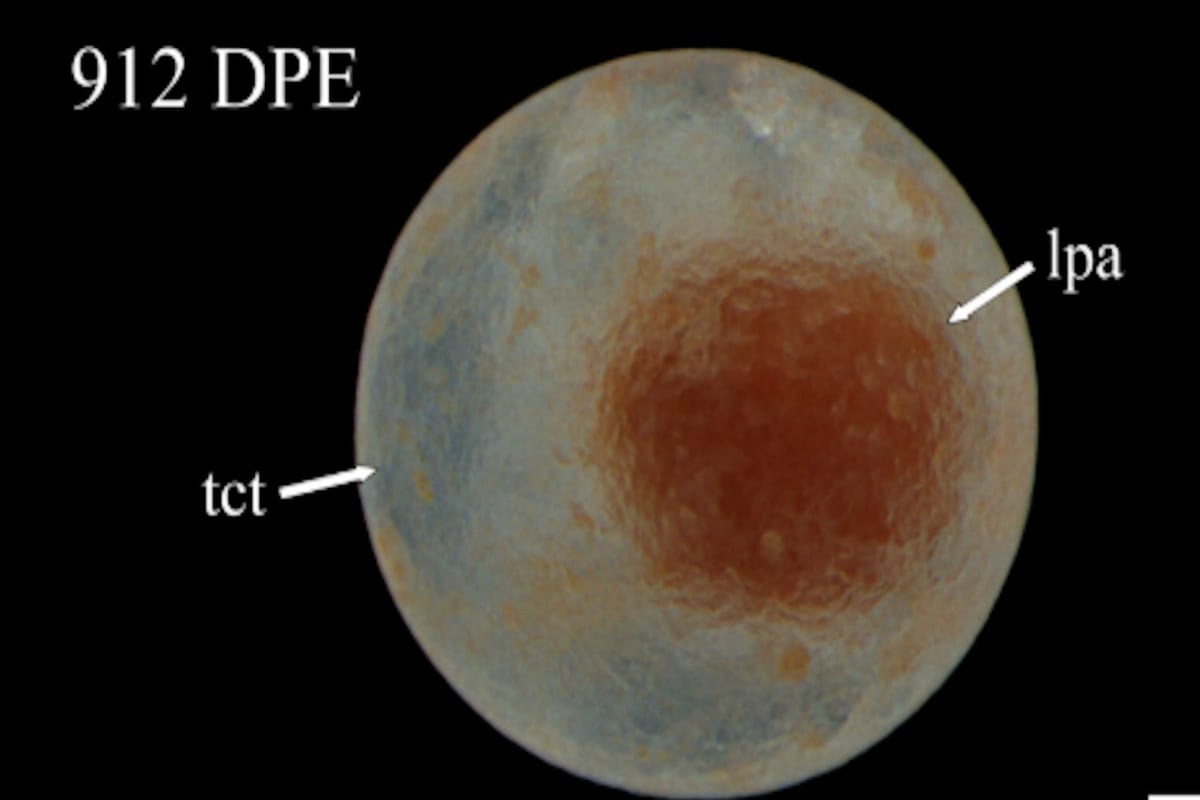
For three full years, these disconnected chunks of tissue kept going strong. They absorbed nutrients from the surrounding water, maintained their cellular functions, and showed zero signs of degradation or death. The researchers eventually ended the experiment only because they needed to publish their findings, but the tissues appeared capable of continuing indefinitely.
What makes this discovery particularly remarkable is that the tissues survived in regular seawater teeming with bacteria and other organisms. Previous tissue experiments required sterile, controlled laboratory environments. These sea cucumber fragments thrived in the messy reality of ocean life.
The severed pieces exist in a fascinating limbo between life and death. They maintain all their living cellular processes but cannot reproduce or regenerate into new sea cucumbers. Their sole purpose became simply staying alive, with no apparent evolutionary benefit.
Why This Inspires
This accidental breakthrough could revolutionize our understanding of tissue regeneration and cell biology. Medical researchers are already exploring what these self-healing tissues might teach us about wound healing, organ preservation, and longevity in humans.
The discovery also challenges fundamental assumptions about what tissues can do independently from their host organisms. Scientists always believed that sea cucumbers, like salamanders and starfish, could regrow lost limbs, but they assumed the discarded parts would simply decay. This natural tissue immortality opens entirely new questions about the boundaries between life and death at the cellular level.
Sometimes the most groundbreaking discoveries come from simply asking what happens to the parts we've always ignored.
More Images
Based on reporting by Google News - Science
This story was written by BrightWire based on verified news reports.
Spread the positivity!
Share this good news with someone who needs it