Seals in Greece Escape Tourists in Hidden Underwater Caves
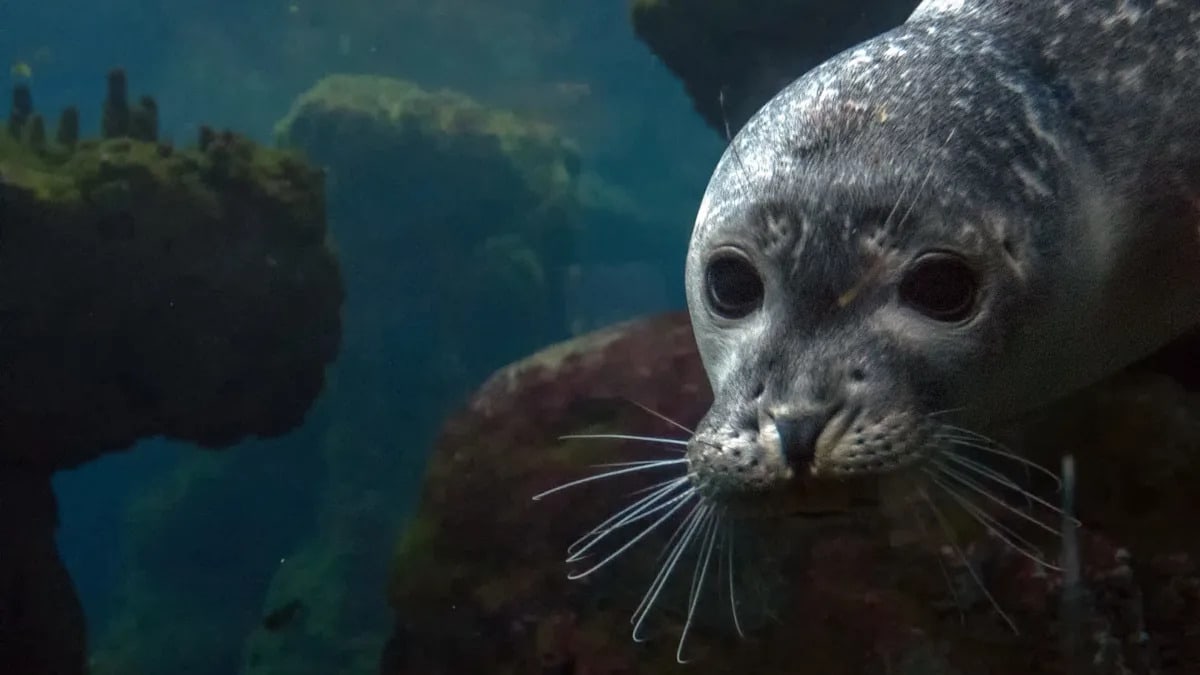
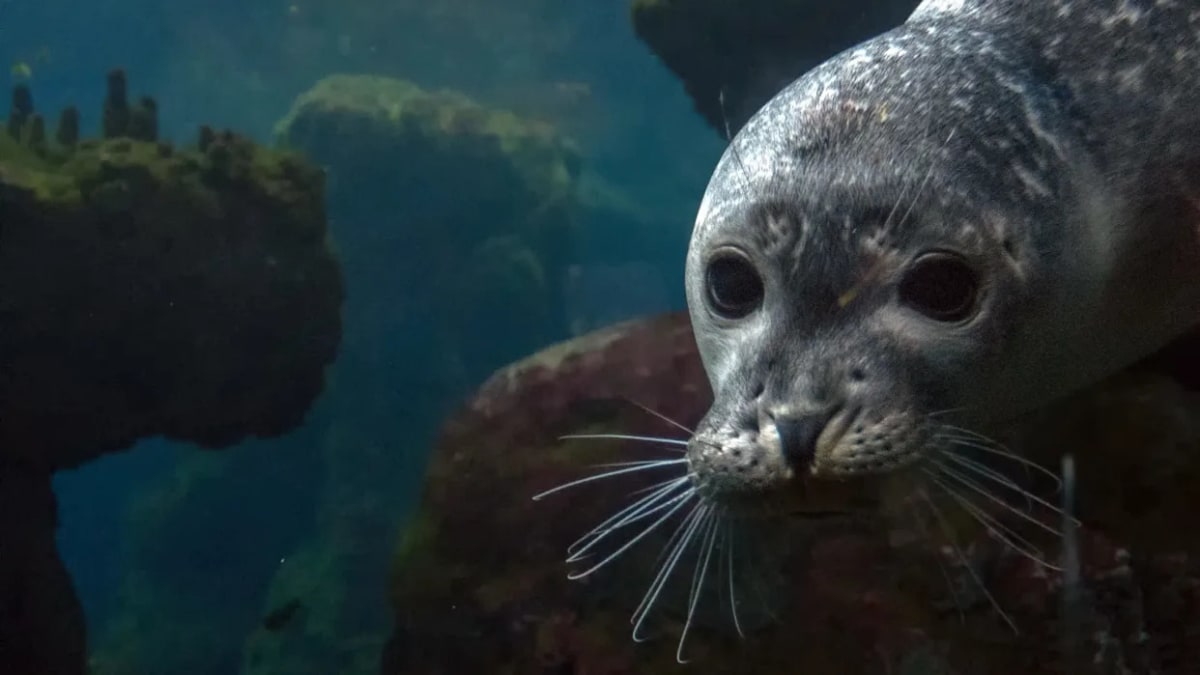
Endangered Mediterranean monk seals have found a clever hiding spot: underwater bubble caves where tourists can't reach them. The discovery gives scientists hope for protecting the species while keeping popular Greek beaches open.
One of the world's rarest seals has been hiding in plain sight, and the discovery could help save the species from extinction.
Researchers studying Mediterranean monk seals near a small Greek island found the animals spending most of their time in hidden underwater caves filled with air pockets. These "bubble caves" offer protection from the summer crowds that flock to the clear waters around Formicula, an uninhabited islet in Greece's Inner Ionian archipelago.
The finding surprised scientists who set up cameras both inside a known seal cave and near a submerged bubble cave entrance. Over 141 days of monitoring between 2020 and 2021, seals appeared in the bubble cave on 119 days compared to just 30 days in the main cave.
Inside these hidden sanctuaries, the seals weren't just passing through. Cameras captured them floating awake at the surface, sleeping upright, and resting on the seafloor, showing these spaces function as true refuges.
The discovery matters because Mediterranean monk seals have been pushed off the open beaches they once used as human activity expanded. Tourists visiting the area often hope to spot seals or explore their caves, but that attention can drive the animals away from critical habitat.
The Ripple Effect
This breakthrough gives conservationists a roadmap for protecting threatened species in tourist destinations. When scientists can pinpoint where animals feel safe, local communities can design protections that work for both wildlife and people.
The findings reshape how experts evaluate monk seal habitat in busy coastal areas. These underwater domes may not look like much from above, but they provide essential refuge from disturbance while serving as resting sites for one of the planet's most endangered marine mammals.
For coastal communities that depend on nature tourism, the news offers hope. Protecting these hidden caves means seals can thrive alongside visitors, supporting healthier marine ecosystems and preserving biodiversity without shutting down beaches.
The research team published their full findings in the journal Oryx, noting that these inconspicuous refuges could prove vital for the species' survival. As tourism grows and coastlines become more crowded, understanding where threatened animals seek shelter becomes increasingly important.
For Mediterranean monk seals facing mounting pressure, this network of secret underwater rooms might be their best defense yet.
More Images
Based on reporting by Google News - Scientists Discover
This story was written by BrightWire based on verified news reports.
Spread the positivity!
Share this good news with someone who needs it