See Two Meteor Showers Peak This Week Despite Full Moon
Two spectacular meteor showers are lighting up the sky this week, and a simple timing trick can help you see them even with a full moon washing out the view. An astronomer shares exactly when and where to look for the best show.
Nature is putting on a double feature this week, and you don't need any special equipment to enjoy it.
The Southern Delta Aquariids and Alpha Capricornids meteor showers are both reaching their peak Thursday night into Friday. These annual celestial events usually paint the sky with colorful streaks of light as space debris burns up in Earth's atmosphere.
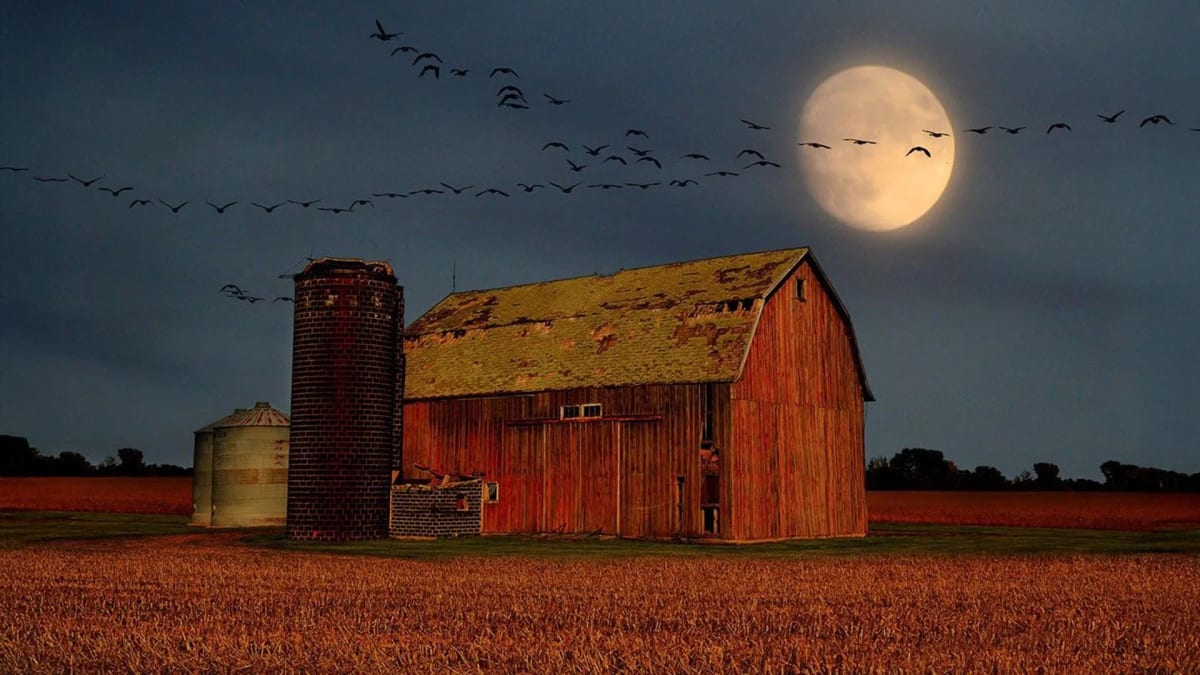
This year brings an unusual challenge. A full moon will flood the night sky with brightness, drowning out many of the fainter meteors that typically make these showers spectacular.
But Robert Quimby, an astronomy professor at San Diego State University and director of the Mount Laguna Observatory, says don't give up on stargazing just yet. He's shared a simple workaround that flips conventional meteor watching advice on its head.
"You'll still catch the brightest meteors that are streaking overhead," Quimby explains. The key is adjusting your timing and knowing where to look.
Normally, astronomers recommend watching meteor showers late at night or in the early morning hours when the sky is darkest. This year, do the opposite. Head outside early, right after sunset at the beginning of the night, when the full moon sits low on the horizon.
Look straight up rather than scanning the horizon. The brightest meteors will still be visible overhead, cutting through the moonlight with their fiery trails.
Viewers in Florida and Hawaii will get the best show thanks to their southern locations. But wherever you are in the country, the brightest meteors should still be visible if you know when and where to look.
The Bright Side
Miss this week's double feature? Summer isn't done delivering cosmic wonder. The Perseid meteor shower is already active and building toward its peak in August. Known for producing some of the brightest and most numerous meteors of the year, the Perseids often give stargazers their best chance to see shooting stars streak across the sky.
These annual shows remind us that some of nature's most beautiful performances are completely free and accessible to anyone willing to look up.
More Images

Based on reporting by NPR Science
This story was written by BrightWire based on verified news reports.
Spread the positivity!
Share this good news with someone who needs it