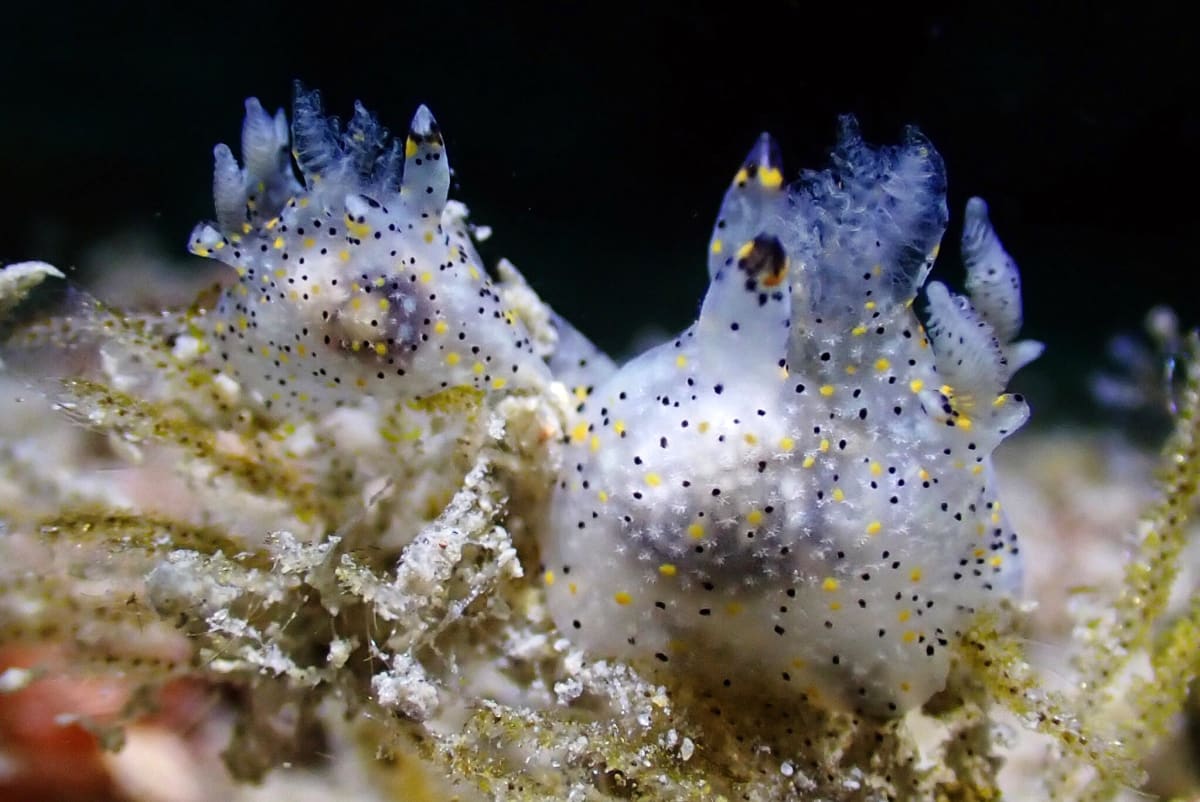
Sesame-Sized Sea Slug Discovered in Taiwan Waters
A sea slug smaller than a sesame seed is revealing how much ocean life remains hidden in plain sight. The translucent creature, adorned with yellow and black stripes, was discovered during a recreational dive in Taiwan.
A marine animal tinier than a sesame seed is proving that some of nature's most beautiful surprises come in the smallest packages.
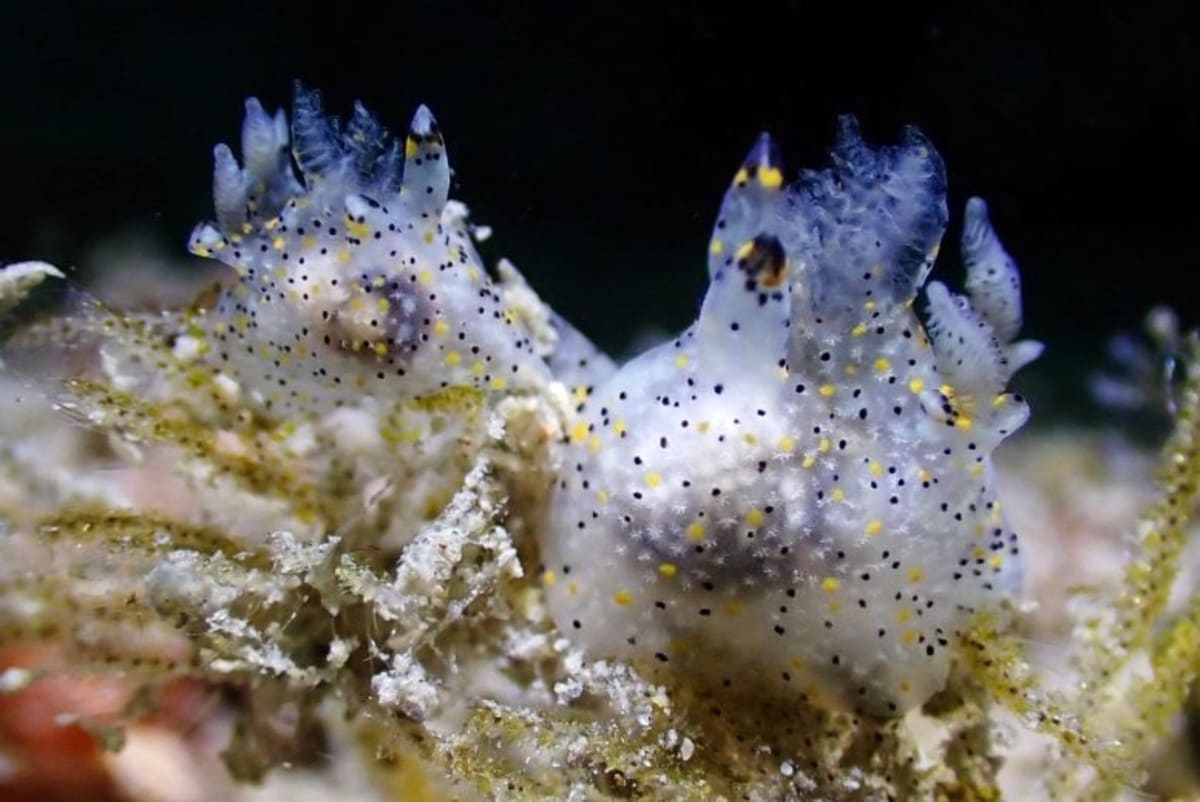
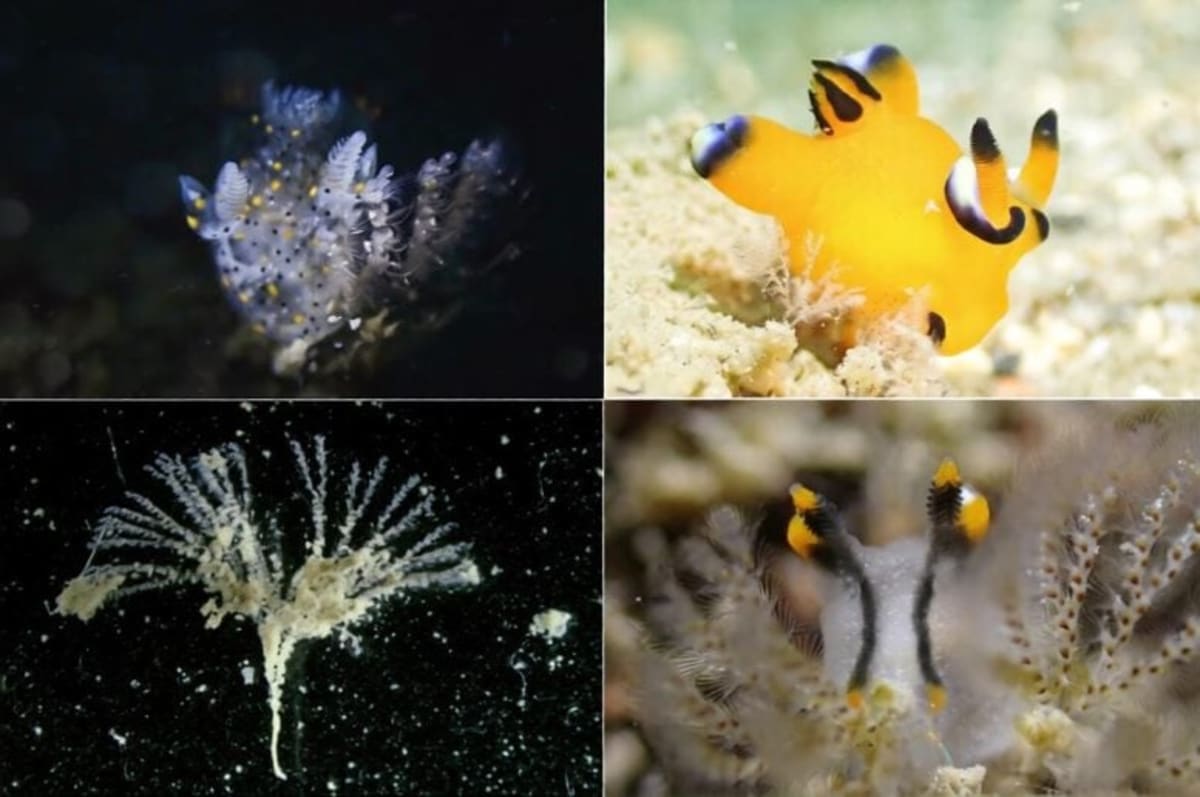
Researchers in Taiwan have officially identified a new species of sea slug measuring less than three millimeters long. Named Thecacera sesama after its resemblance to a sesame seed, the tiny nudibranch features a translucent body decorated with striking black and yellow markings.
The discovery began in 2019 when undergraduate student Ho-Yeung Chan spotted the miniature creature during a recreational dive off the coast of Keelung. At first, he had no idea he'd found something completely new to science.
Chan only realized the significance of his find after consulting with sea slug expert Hsini Lin on Facebook. What started as a casual question on social media turned into years of careful research involving teams from National Taiwan Ocean University, the National Museum of Natural Science, and National Taipei University of Education.
Studying something so small presented unique challenges. Taiwan's coastline experiences typhoons in summer and powerful winter monsoons that create dangerous diving conditions. Water temperatures can drop below 16 degrees Celsius, leaving researchers with only about four months each year suitable for observation.
Spotting an animal this tiny in those brief windows often came down to pure luck.
Why This Inspires
The researchers discovered that T. sesama spends its entire life on bryozoans, small aquatic invertebrates known as "moss animals." The sea slug feeds, searches for food, mates, and lays eggs all on these tiny colonies. Remarkably, the specific bryozoan species hosting T. sesama may itself be undiscovered by science.
This discovery highlights how much remains unknown in our oceans. "Nudibranchs are one of the key players in the marine food web," the research team explained. Many of these colorful creatures are so small they're nearly impossible to spot underwater with the naked eye.
The finding also demonstrates how citizen scientists and recreational divers can contribute to major discoveries. Chan's curiosity during a summer dive led to formal research published in the scientific journal ZooKeys, expanding our understanding of Taiwan's rich marine biodiversity.
The team believes T. sesama represents just the beginning. Taiwan's coastal waters likely harbor numerous tiny species waiting to be discovered, documented, and protected. Each new find adds another piece to the puzzle of how marine ecosystems function and thrive.
Sometimes the biggest discoveries come in the tiniest packages.
More Images
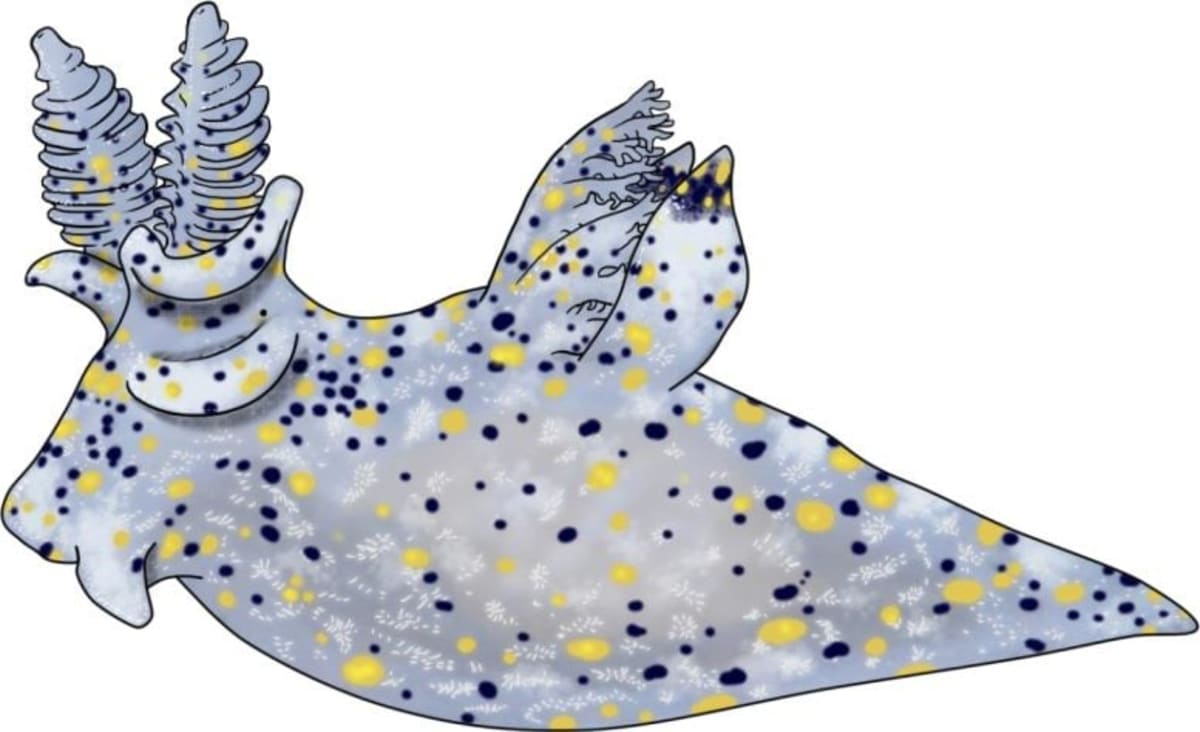
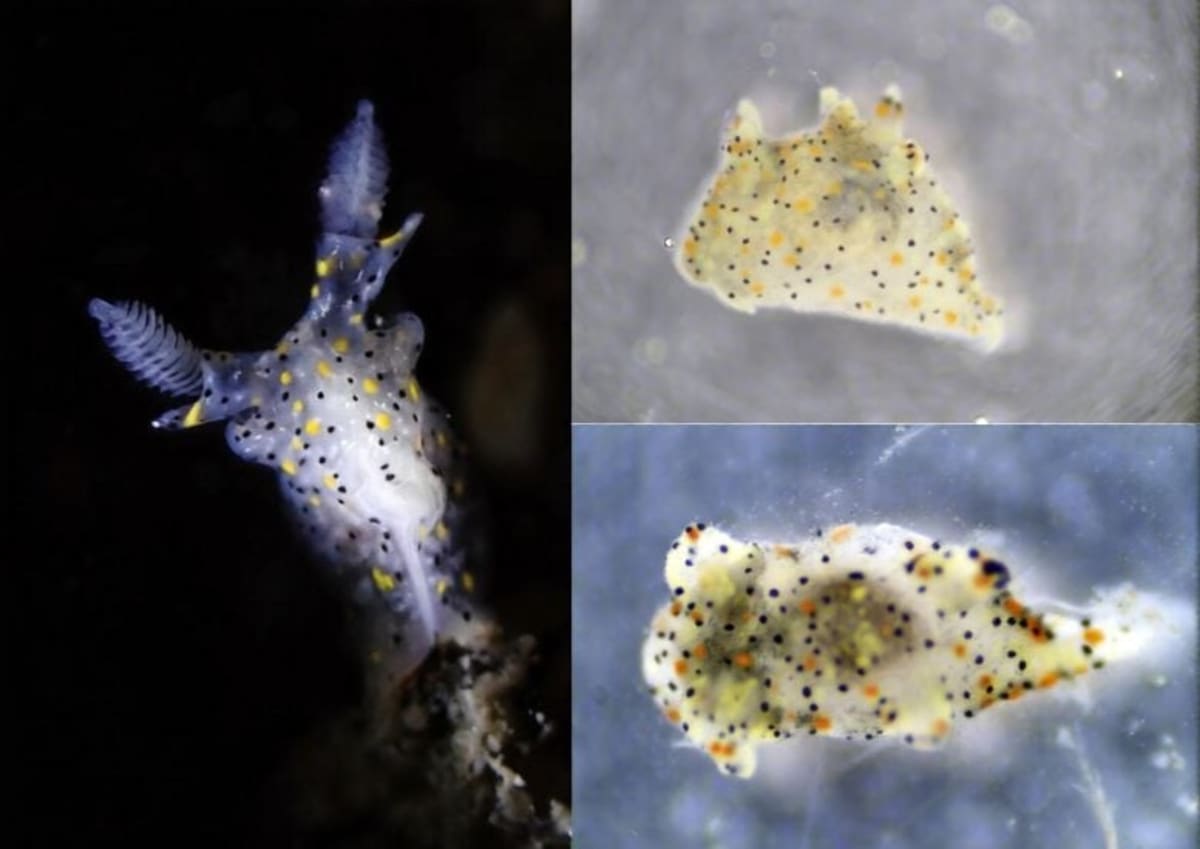
Based on reporting by Google News - Scientists Discover
This story was written by BrightWire based on verified news reports.
Spread the positivity!
Share this good news with someone who needs it


%2Fhttps%3A%2F%2Ftf-cmsv2-smithsonianmag-media.s3.amazonaws.com%2Ffiler_public%2F5d%2F4d%2F5d4d74c8-ad77-4fbc-8eba-a7ae619b9a4c%2F1779215358-blue_octopus_cdf.webp)