450-Million-Year-Old Fossil Preserves Soft Tissue
Scientists at the University of Oklahoma discovered a 450-million-year-old fossil that preserved something almost never seen: soft tissue from an ancient sea creature. The find gives researchers an unprecedented look at life in Earth's earliest ocean ecosystems.
Scientists just discovered something extraordinary in a fossil older than the dinosaurs by more than 200 million years.
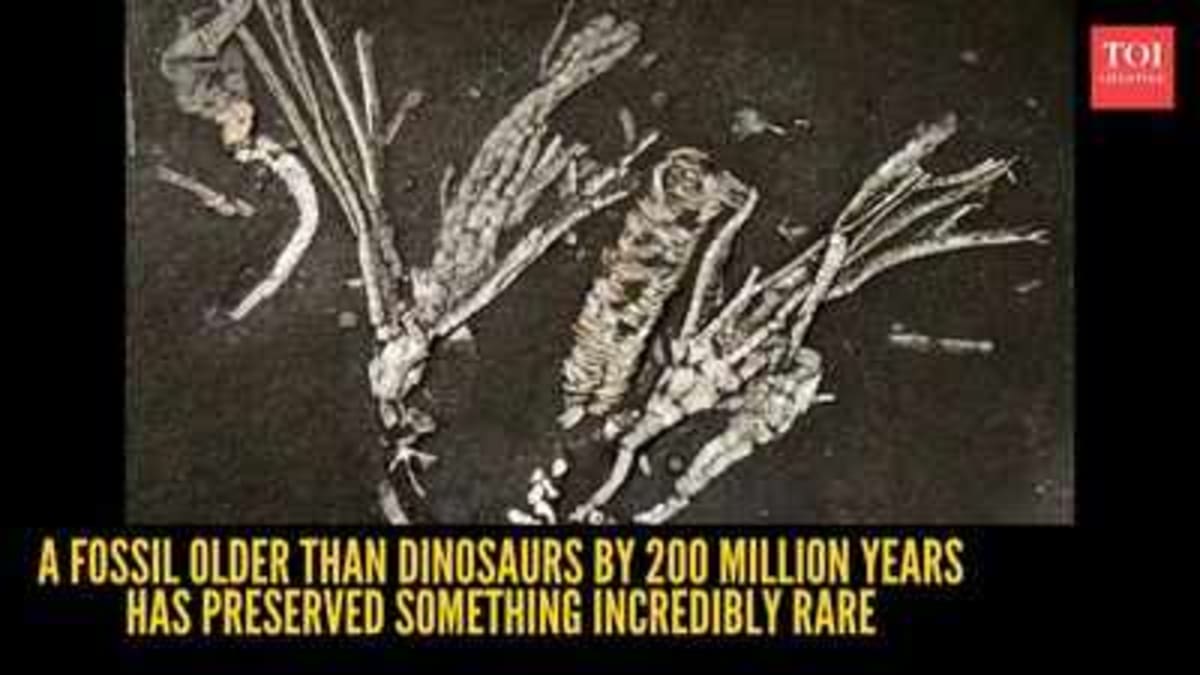
Researchers at the University of Oklahoma found preserved soft tissue in a 450-million-year-old crinoid fossil, an ancient relative of starfish that looked like delicate sea flowers anchored to the ocean floor. This type of preservation is so rare that paleontologists call it "one in a million."
Dr. Lena Cole, a paleontologist at the university, explains that soft tissue like skin and organs usually disappears within days after an animal dies. Only hard parts like bones and shells typically survive as fossils, which is why this discovery is such a breakthrough.
The fossil belongs to a species called Dendrocrinus simcoensis and preserves tiny structures called tube feet. These delicate feeding organs help crinoids capture food particles and interact with ocean currents, and they've almost never been found in the fossil record.
"It's incredible these soft tissues have survived more than 450 million years," says Dr. David Wright, who co-authored the study. "For reference, these soft tissues are more than 200 million years older than the oldest dinosaur."
This is only the second known example of soft tissue preservation in a crinoid fossil ever found. It's also the oldest one discovered to date, giving scientists an unprecedented window into life during Earth's earliest complex ecosystems.
The preserved tube feet matter more than they might seem at first. Wright compares them to teeth in mammals: their shape and structure reveal how the animal lived and what it ate.
When researchers compare this ancient crinoid's anatomy with living species today, they see striking differences. Those differences help paint a picture of how these creatures evolved over hundreds of millions of years as ocean environments changed.
The fossil comes from a time when the oceans looked completely different from today. Early reef ecosystems were just taking shape, and animals were still experimenting with new forms and feeding strategies.
Why This Inspires
This discovery reminds us that Earth has been home to incredible life forms for far longer than we can easily imagine. Each rare fossil like this one opens a door to understanding not just what ancient creatures looked like, but how they lived, ate, and thrived in worlds completely unlike our own.
The fact that something as delicate as soft tissue could survive 450 million years feels almost miraculous. It shows that with the right conditions and a lot of patience, nature can preserve its own history in ways that still surprise us today.
Scientists will continue studying this remarkable specimen to learn more about Earth's earliest ocean dwellers.
More Images



Based on reporting by Google: fossil discovery
This story was written by BrightWire based on verified news reports.
Spread the positivity!
Share this good news with someone who needs it