Shenzhen's Smart Food Banks Serve 500K Meals in 3 Years
Shenzhen turned food banks digital with vending machine-style cabinets that let vulnerable residents pick up free groceries anonymously using just their phones. The city's high-tech solution has distributed nearly 500,000 donated items across 22 locations, transforming food waste into dignified support for those in need.
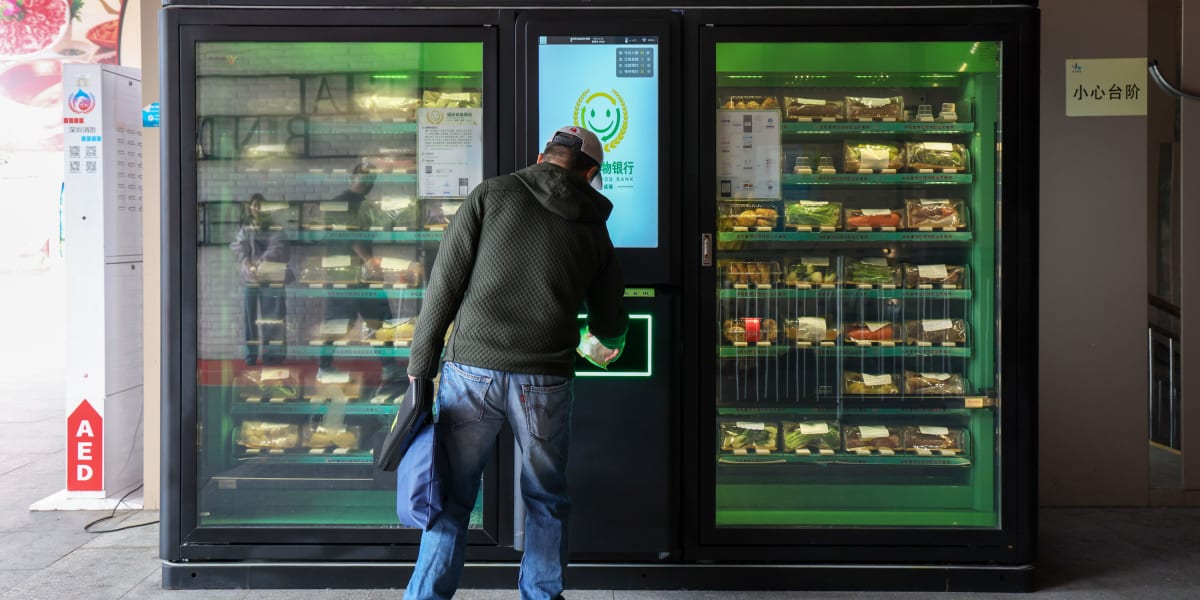
A woman in Shenzhen scans her phone at what looks like a vending machine, and a door clicks open to reveal free groceries inside. No awkward questions. No prying eyes. Just food when she needs it.
This is China's newest approach to fighting hunger and food waste simultaneously. Shenzhen, the country's tech capital, has reimagined the traditional food bank for the smartphone era with 22 smart cabinets installed across its Futian District.
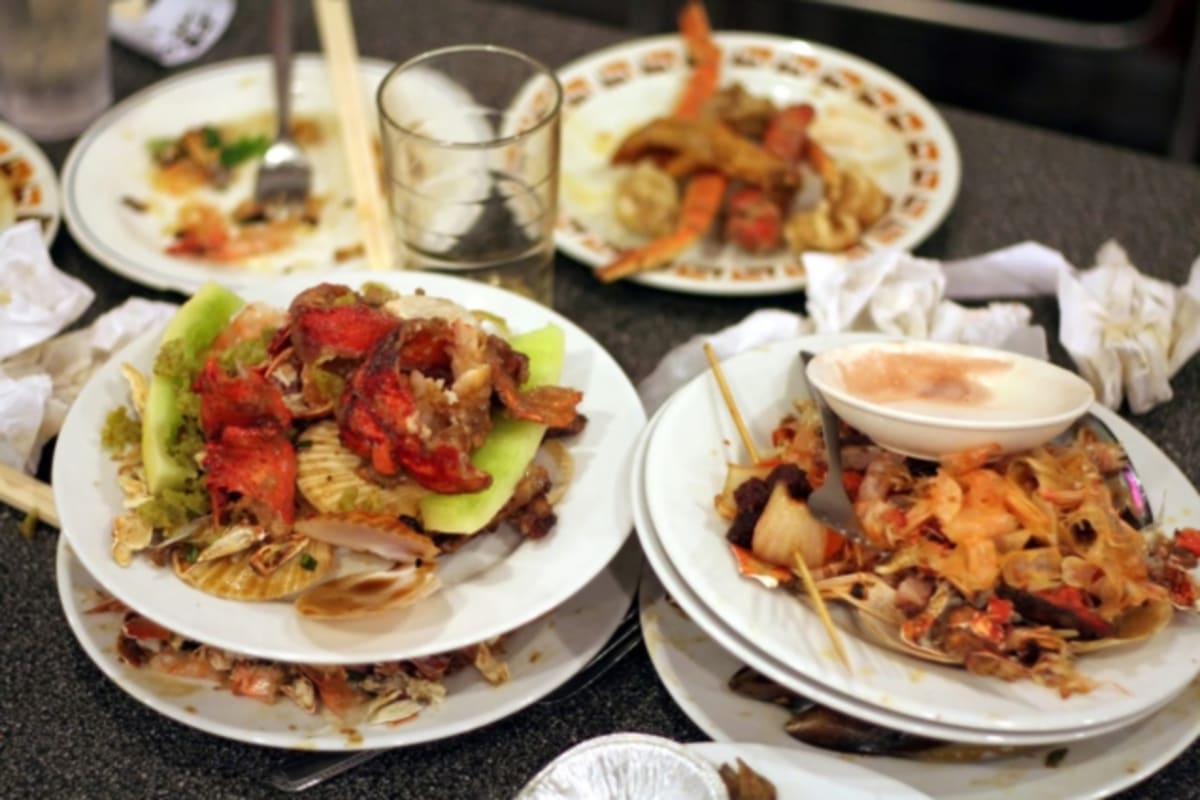
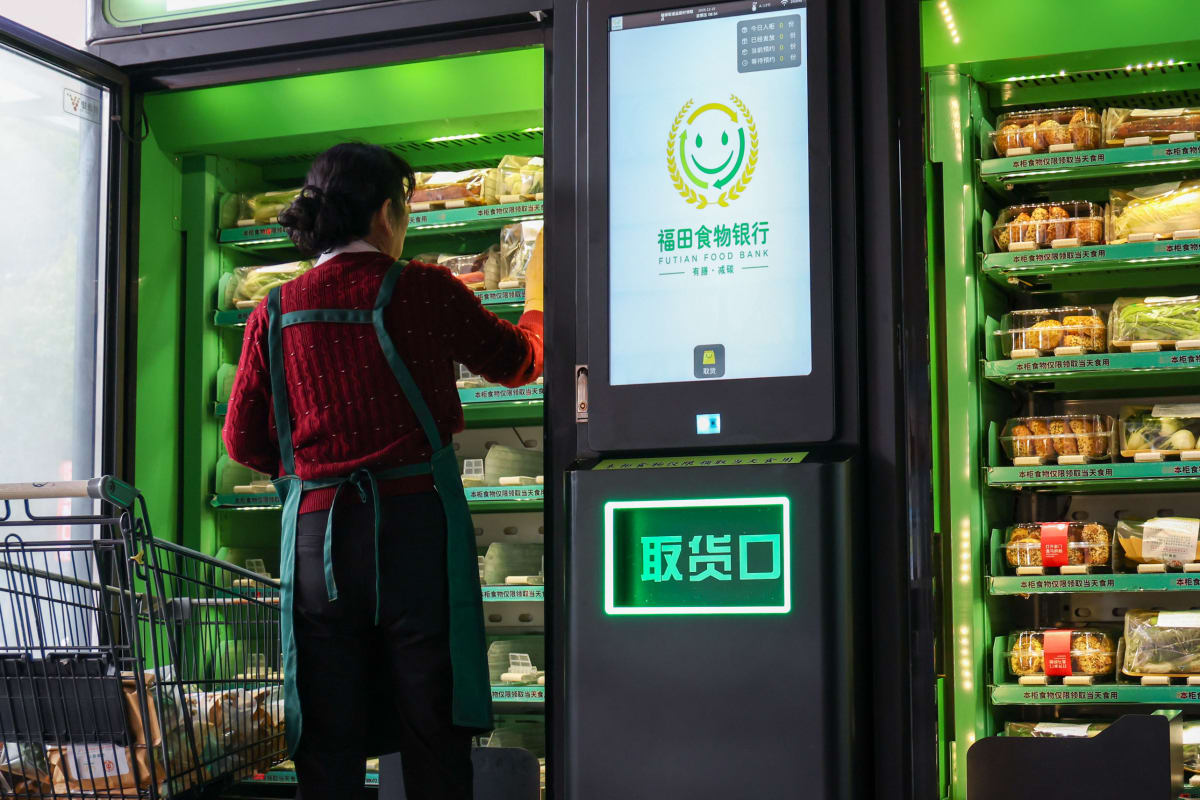
The system works elegantly. Major companies like Alibaba-owned Hema Fresh and the Great China Sheraton Hotel donate surplus food that's approaching expiration dates but still perfectly safe to eat. Volunteers inspect every item for quality, then delivery staff use refrigerated trucks to stock the cooled cabinets throughout the day.
Residents receiving government assistance, people with disabilities, and sanitation workers can access the cabinets during daytime hours. The app verifies their eligibility automatically against government databases, so they never have to prove they're struggling or explain their circumstances to anyone. After 8 p.m., any Shenzhen resident can reserve leftover items through the app, ensuring nothing goes to waste.
The cabinets sit in quiet corners near community centers and subway exits. Using one takes seconds and looks just like grabbing a quick snack from a regular vending machine. That discretion matters deeply to people who might skip a traditional food bank out of embarrassment.
Over three years, the program has distributed close to 500,000 donated items to the city's 20 million residents. Dozens of corporate partners have joined the effort, turning what would have been trash into lifelines for families stretching every dollar.
The Ripple Effect
Shenzhen's model shows how technology can solve old problems in new ways. By removing the stigma from receiving help and making donations convenient for businesses, the city created a system that respects human dignity while reducing waste.
The platform has inspired conversations about expanding legal protections for food donors nationwide. Right now, many Chinese companies worry about liability if someone gets sick, even though donated food gets screened. Clearer "Good Samaritan" laws could unlock participation from countless more businesses sitting on surplus food.
The success has also sparked interest from other Chinese cities looking to replicate the model. What started as an experiment in one district could reshape how millions of people access emergency food support across the country.
Shenzhen proved that feeding hungry neighbors doesn't require choosing between efficiency and compassion.
More Images


Based on reporting by Sixth Tone
This story was written by BrightWire based on verified news reports.
Spread the positivity!
Share this good news with someone who needs it