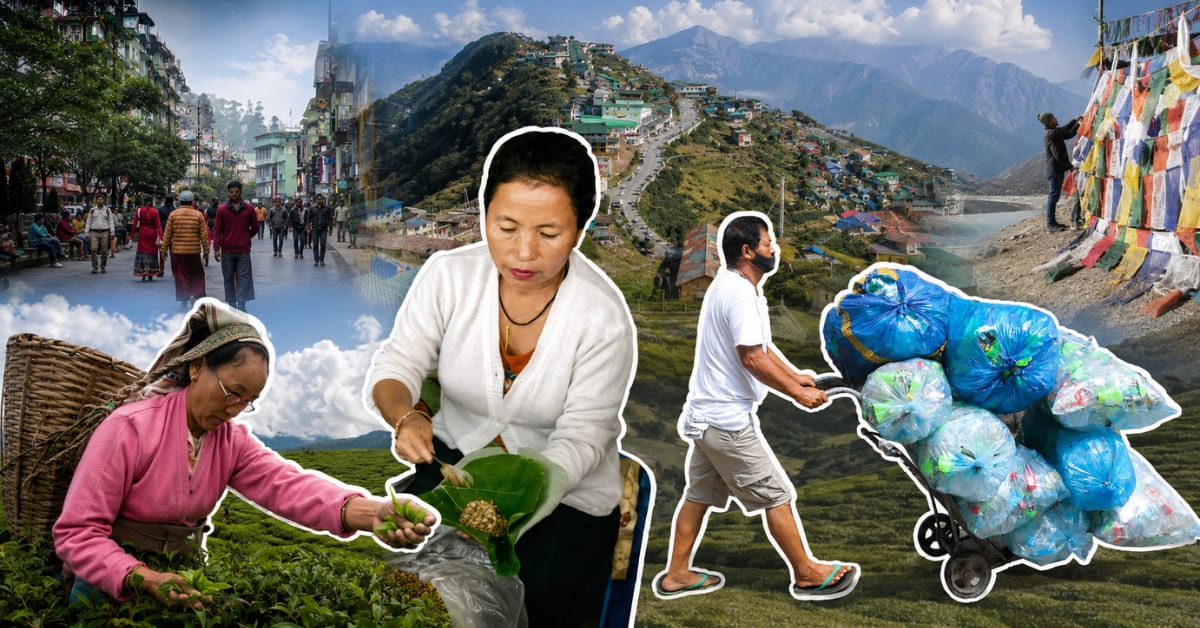
Sikkim Banned Plastic Bags in 1998, Now India's Cleanest
A tiny Himalayan state became India's environmental pioneer by banning plastic bags 28 years ago. What started as one ban grew into a model of clean living that other states are now trying to follow.
When visitors arrive in Sikkim, they notice something unusual: what isn't there. No plastic bags caught in trees, no styrofoam plates littering mountain roads, no trash competing with the stunning views.
This didn't happen by accident. It's the result of nearly three decades of smart policies and committed citizens who decided their mountains deserved better.
In 1998, long before plastic bans became trendy, Sikkim became the first Indian state to outlaw disposable plastic bags. The decision wasn't just about being green. It was about survival.
The state's steep mountains and fragile ecosystems left almost no room for landfills. Every plastic bag thrown away became someone's problem, whether clogging drains, polluting rivers, or filling precious land. Leaders realized they couldn't manage waste after it was created. They had to stop it at the source.
That first ban sparked a movement. In 2016, Sikkim prohibited packaged drinking water in government offices and banned styrofoam plates and cups statewide. These lightweight products were cheap and convenient, but they occupied valuable landfill space and couldn't be recycled in mountain communities with limited infrastructure.
The state didn't stop at waste. Sikkim became India's first state to eliminate open defecation, requiring even village election candidates to have home toilets. It pioneered 100% organic farming, removing synthetic pesticides and chemical fertilizers from agriculture. In 2014, it banned firecrackers to protect air quality.
Today, many Sikkim communities impose Rs 500 fines for littering and public urination. The penalties aren't just about punishment. They remind residents that streets, markets, and tourist spots belong to everyone and require everyone's care.
The geography that forced these changes also makes them critical. Plastic discarded on mountain roads travels into streams feeding major river systems. Overflowing landfills threaten forests and wildlife habitats that took centuries to develop.
The Ripple Effect
Sikkim's success proves that environmental progress doesn't require wealth or massive infrastructure. It requires consistent decisions and public participation that become woven into daily life.
Other mountain states now look to Sikkim's example, studying how a small region turned geographic constraints into environmental leadership. The policies that seemed strict in 1998 now feel like common sense.
A clean market or pristine mountain road tells only part of the story. Behind every litter-free street are decades of enforcement, education, and citizens who chose collective responsibility over individual convenience.
Sikkim shows that protecting the environment isn't about one big gesture but thousands of small choices, made every day, until clean becomes the only option anyone can imagine.
More Images
%2Fenglish-betterindia%2Fmedia%2Fmedia_files%2F2026%2F07%2F24%2Fassam-5-2026-07-24-18-59-21.png)
%2Fenglish-betterindia%2Fmedia%2Fmedia_files%2F2026%2F07%2F24%2Fimages-2026-07-24-18-35-13.jpeg)
%2Fenglish-betterindia%2Fmedia%2Fmedia_files%2F2026%2F07%2F24%2Fsikkim-1024x576-2026-07-24-18-39-31.webp)
%2Fenglish-betterindia%2Fmedia%2Fmedia_files%2F2026%2F07%2F24%2Fimages-1-2026-07-24-18-43-54.jpeg)
Based on reporting by The Better India
This story was written by BrightWire based on verified news reports.
Spread the positivity!
Share this good news with someone who needs it