Simple Shades Cut Home Heat by 6 Degrees in UK Study
Scientists at Loughborough University discovered that external shading can keep homes 6 degrees cooler during summer heatwaves without straining the power grid. The solution could help millions avoid air conditioning costs while staying comfortable.
Forget bowls of ice water and damp towels. Scientists just found a simple way to keep your home six degrees cooler during scorching summer days.
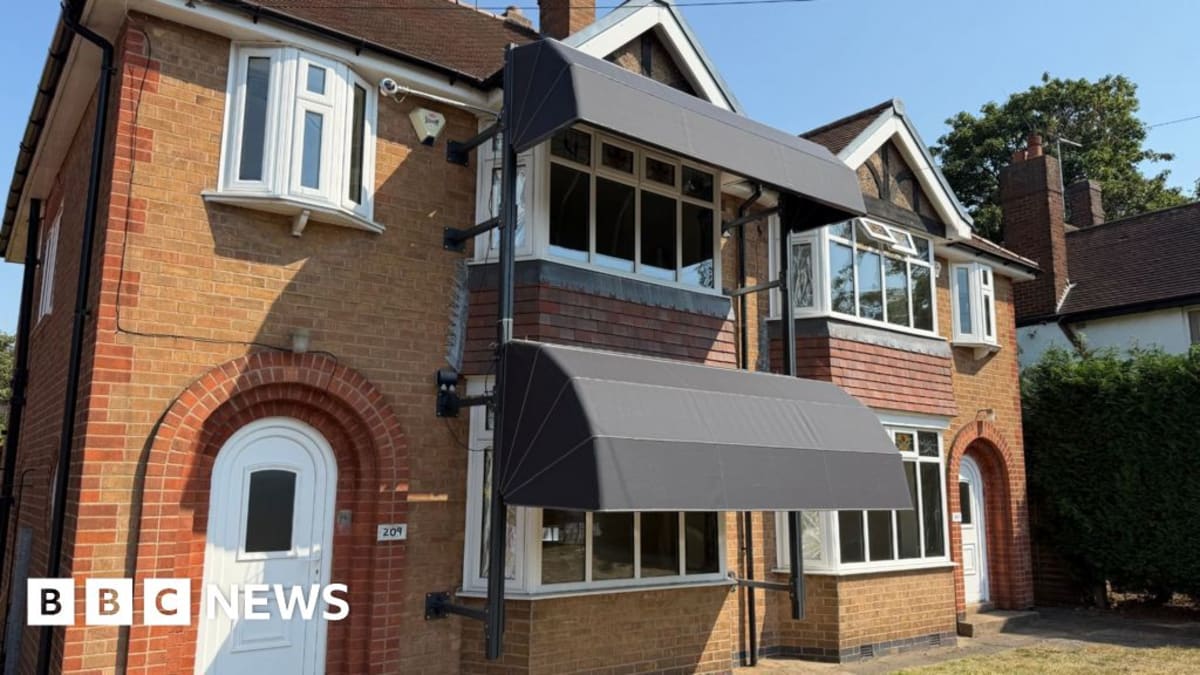
Researchers at Loughborough University tested two identical homes in England, fitting one with external shading while leaving the other exposed to direct sunlight. The results were striking: the shaded home stayed a comfortable 29°C (84°F) while the unshaded house climbed past 33°C (91°F).
Dr. Ben Roberts, who leads the healthy buildings research, says the timing couldn't be better. This summer marked the hottest testing conditions his team has ever recorded.
The discovery matters because air conditioning isn't a realistic option for most UK homes right now. The electricity grid simply can't handle the demand if everyone starts installing cooling units. External shading offers immediate relief without overloading the power supply.
The researchers also uncovered a surprising ventilation trick that goes against common sense. During heatwaves, homeowners should keep windows closed during the day rather than opening them wide.
"That might seem a little bit strange, but by keeping your windows closed, you are preventing hot air from coming indoors," Roberts explained. The strategy traps cooler morning air inside instead of letting afternoon heat pour through open windows.
The team used sophisticated equipment including heat sensors and "heat boxes" that simulate warmth from people living in the space. Dutch canopies provided the external shading, creating considerable protection from direct sunlight.
The Bright Side
This research offers real hope as summers grow hotter. Housing developers can incorporate external shading into new builds starting immediately, protecting future homeowners from rising temperatures without expensive technology or infrastructure upgrades.
The solution works with nature instead of fighting it. Simple awnings, canopies, or overhangs cost far less than air conditioning units and require zero electricity to operate. Families can stay comfortable while keeping energy bills manageable.
Roberts believes we'll see more homes designed with shading built right in as climate awareness grows. In extreme cases where noise or pollution prevent window opening, air conditioning might become necessary, but smart shading can delay or eliminate that need for most people.
The research proves that ancient cooling strategies still work in modern homes. Shade has protected humans from heat for thousands of years, and now science confirms exactly how well it performs.
More Images

Based on reporting by Google News - Researchers Find
This story was written by BrightWire based on verified news reports.
Spread the positivity!
Share this good news with someone who needs it