Singapore Startup Uses AI Camera to Check Vital Signs
A Singapore healthtech company just raised $1.2 million to expand technology that measures heart rate, blood pressure, and 20+ vital signs using just a regular camera in 30 seconds. The contactless monitoring system is already helping seniors stay healthy and could transform preventive healthcare across Southeast Asia.
Imagine checking your heart rate, blood pressure, and oxygen levels without touching a single device—just by looking at a camera for 30 seconds.
That's exactly what Singapore startup injewelme has made possible with its DeepHealthVision technology. The company just secured $1.2 million in funding to expand this breakthrough AI health monitoring system across Southeast Asia.
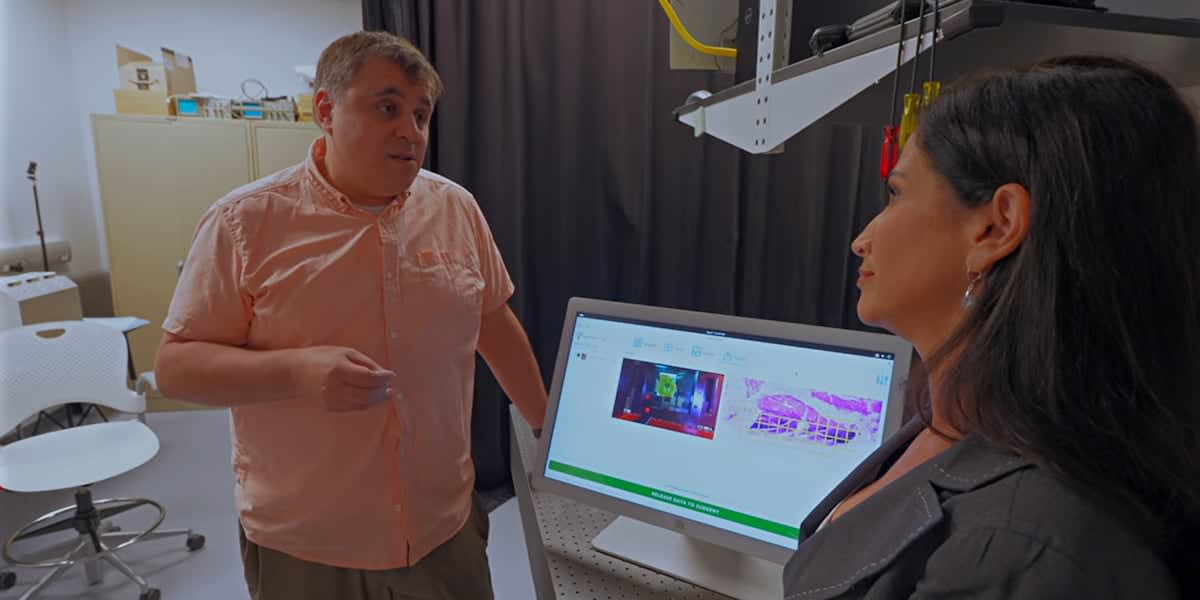
The technology works through something called remote photoplethysmography, which sounds complex but does something remarkably simple. It uses a standard camera to detect tiny changes in skin color caused by blood flow, then AI analyzes those changes to measure more than 20 vital health indicators. No wearables, no finger pricks, no uncomfortable devices.
The system has already proven itself in real-world testing, showing 95% accuracy in pilot programs. That's medical-grade precision from something as simple as a video call.
One early partner, SJ Integrated Solutions, is using the technology to monitor seniors in fitness and wellness programs. Older adults can now get comprehensive health screenings without the hassle of multiple devices or invasive procedures. For people who might struggle with traditional health monitoring equipment, this contactless approach removes barriers to staying healthy.
The fresh funding, led by Catalytic Capital for Climate and Health (part of Singapore's Temasek Trust), will help injewelme add even more capabilities. The company plans to measure blood glucose, stress levels, fatigue, and hydration—all through the same camera-based system.
There's another crucial piece to this puzzle. As climate change creates new health challenges through extreme heat and environmental stress, this technology could help monitor how those conditions affect people in real time. Communities facing rising temperatures could use it to protect vulnerable populations before heat-related illnesses become serious.
The Ripple Effect
This advancement could reshape healthcare access across Southeast Asia, where getting to medical facilities can be challenging for millions of people. Rural communities, elderly populations, and anyone with limited mobility could receive regular health monitoring through nothing more than a smartphone camera. What once required expensive equipment and clinic visits might soon be available to anyone with internet access.
The technology also opens doors for workplace wellness programs, telemedicine, and early disease detection—all without adding complexity to people's daily lives.
One camera, 30 seconds, and 20+ vital signs measured: healthcare just got a whole lot more accessible.
Based on reporting by Google News - Singapore Technology
This story was written by BrightWire based on verified news reports.
Spread the positivity!
Share this good news with someone who needs it