Sisters Help 60,000 Indian Artisans Build Sustainable Careers
Two sisters in Bengaluru created a platform that connects traditional craftspeople directly with buyers, taking zero commission. Their movement now reaches 300 artisan groups across India and has doubled incomes for thousands.
Sisters Mala and Sonia Dhawan started A Hundred Hands in 2010 with a simple idea: let artisans keep every rupee they earn. Fourteen years later, their grassroots platform has transformed into one of India's most important handmade craft movements.
The collective now benefits more than 60,000 artisans across 300 groups nationwide. In Karnataka alone, it engages with over 60 communities spread across 10 districts.
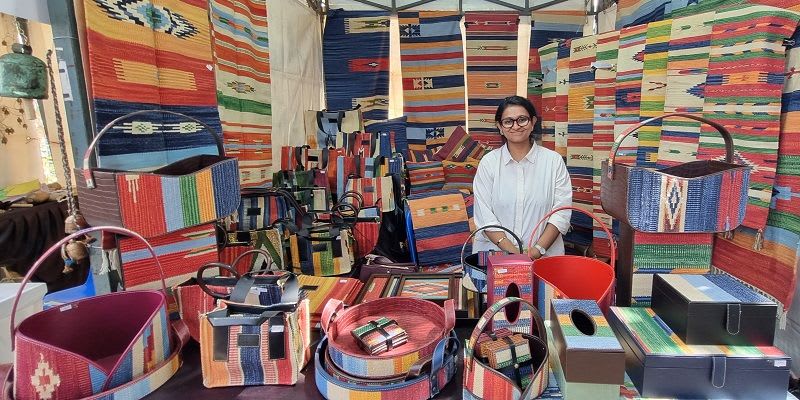
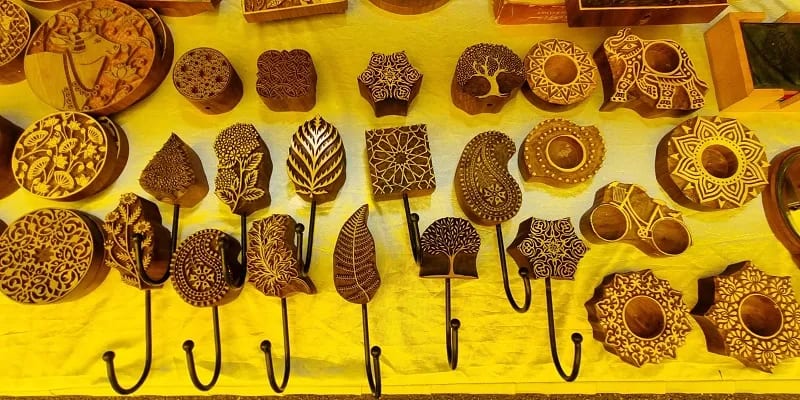
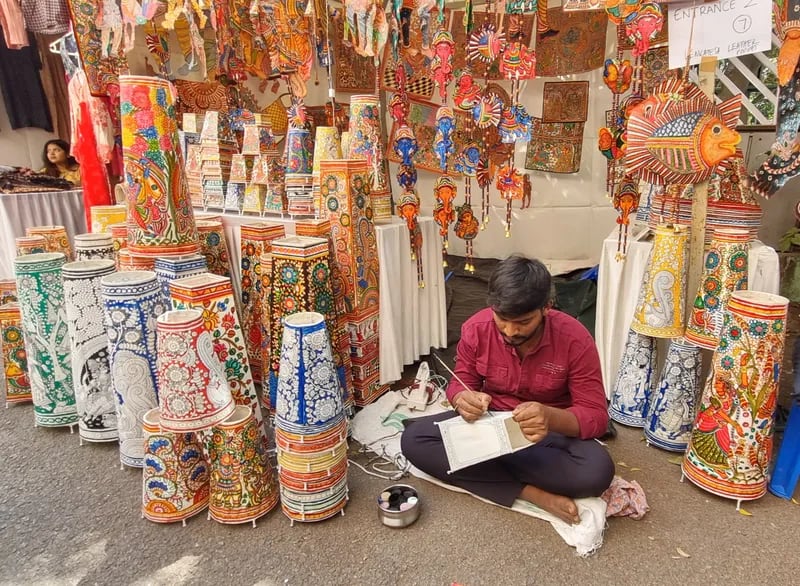
This week's spring festival at NIFT Bengaluru showcases the scale of their impact. Over 180 groups from 24 states are displaying handcrafted jewelry, textiles, home décor, and toys, while workshops teach visitors traditional skills like kite making, pottery, and mandala art.
What makes A Hundred Hands different is what it doesn't take. While middlemen typically charge 30% commission, the Dhawan sisters charge nothing, asking artisans only to share venue costs.
The results speak for themselves. Research shows many members see their annual income double, with up to 40% of yearly earnings coming through the platform's activities.
"In a world moving fast into digital technology and stressful lifestyles, we want to bring back the importance and rootedness of handmade," Mala Dhawan explains. The mission goes beyond preserving craft traditions.
A Hundred Hands has helped revive dying art forms like Sanji papercutting, Bhil painting, and Silpidi ironwork. It supports women-owned enterprises, tribal groups, queer communities, and artisans with cognitive and psychiatric disabilities.
The collective defines handmade with clear standards: at least 80% of the work must be done by hand. This transparency helps consumers understand what they're buying and ensures authentic craftsmanship.
The Ripple Effect
The impact extends far beyond sales numbers. Working with hands reduces stress and anxiety, with effects similar to meditation, Mala notes. It also builds community among makers, creating meaningful relationships that last beyond single transactions.
The spring festival's eighth annual fashion show, titled Catwalk for the Cause, was organized entirely by people in their early twenties. Their fresh perspectives show how handmade culture is connecting with younger generations.
Home cooks from Bengaluru showcase their talents in a popular food section. Music, comedy, and dance performances add to the celebration of creativity in all its forms.
For aspiring artisans, Mala's advice is encouraging: "Don't give up. Hang in there! There is definitely a growing movement of handmade." She sees the audience expanding, especially among youth who view traditional crafts through contemporary lenses.
India's recent policy focus on small businesses and handicrafts helps, but Mala believes real change comes from platforms that connect makers directly with markets. A Hundred Hands proves this model works at scale.
Even small acts of creativity matter, Mala says. Simple embroidery projects create pride, ownership, and a desire to preserve these skills for future generations.
More Images


Based on reporting by YourStory India
This story was written by BrightWire based on verified news reports.
Spread the positivity!
Share this good news with someone who needs it