Six Planets Align in Night Sky Feb. 28
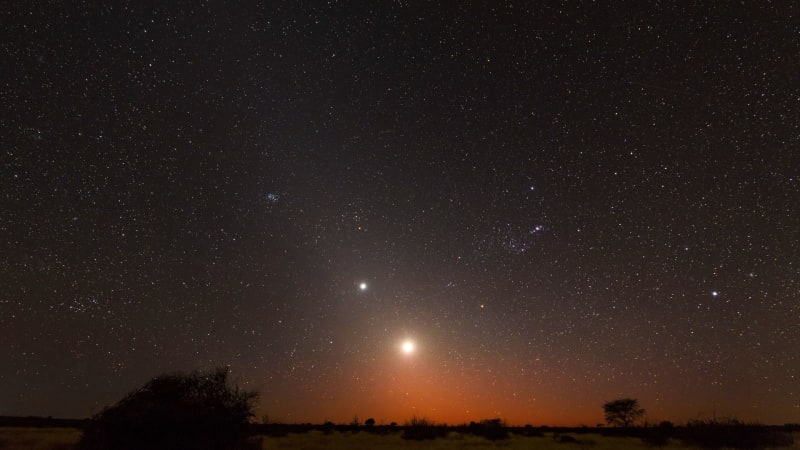
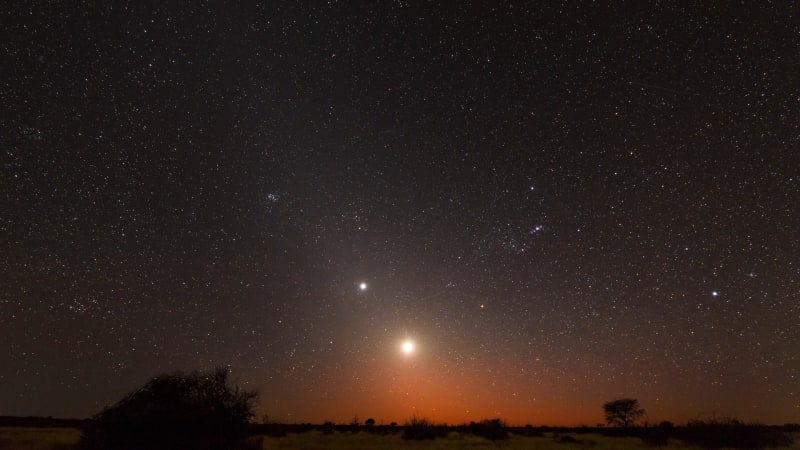
Six planets will appear together in the evening sky on February 28, creating a rare celestial event visible to stargazers worldwide. While some planets will need binoculars to spot, Jupiter and Venus will shine bright enough to see with the naked eye.
Look up on February 28 and you might catch six planets sharing the same evening sky in a rare cosmic lineup that happens only once every few years.
Mercury, Venus, Neptune, Saturn, Uranus, and Jupiter will all be visible shortly after sunset, creating what astronomers call a planetary alignment. NASA announced the event on their "Watch the Skies" blog, encouraging skywatchers to grab their binoculars and head outside.
The catch? Not all six planets will be easy to spot. Jupiter will be the star of the show, shining brightly high in the southern sky where anyone can see it without equipment. Venus will glow brilliantly too, though it sits lower on the horizon and might require binoculars to catch in the twilight.
Saturn and Mercury will hang closer to the sunset, visible for only a short window before they dip below the horizon. Uranus will nestle just beneath the famous Pleiades star cluster, faint but findable with binoculars. Neptune will be the toughest challenge, requiring a small telescope to spot.
The best viewing strategy? Find a spot with a clear view to the west, away from city lights. Give yourself about 30 minutes after sunset on February 28 to let the sky darken just enough. Binoculars will dramatically improve your chances of seeing the dimmer planets.
But here's the good news for casual observers: you don't need to see all six to enjoy the show. Even catching two or three planets in one glance reminds us we're spinning through space on a cosmic carousel with our neighboring worlds.
Why This Inspires
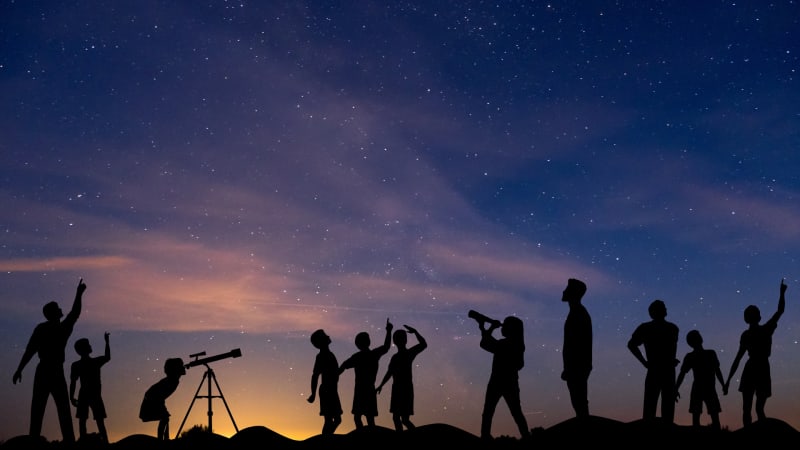
Planetary alignments pull millions of people outside to look up together, creating shared moments of wonder across continents and time zones. Parents point out planets to curious kids, neighbors gather on sidewalks with telescopes, and social media fills with photos of people trying to spot the cosmic parade.
These events reconnect us with the universe beyond our daily routines. They remind us that spectacular things are happening all around us, often right above our heads, if we just remember to look up.
Throughout February, the planets will gradually move into position like dancers taking their places on stage. Venus becomes visible in early February after months away from evening skies. The crescent moon joins Saturn on February 19, adding extra beauty to the show.
The alignment peaks on February 28, but the planets will remain visible together for several nights before and after, giving cloudy-weather skywatchers multiple chances to catch the parade.
More Images
Based on reporting by Space.com
This story was written by BrightWire based on verified news reports.
Spread the positivity!
Share this good news with someone who needs it