Scientists Find Jupiter-Sized Planets Lighter Than Shaving Foam
Astrophysicists discovered two "super-puff" planets 1,100 light-years away that are as large as Jupiter but incredibly light. These cosmic oddities have the density of cotton candy and are rewriting what scientists thought was possible in our universe. ##
Imagine a planet the size of Jupiter that weighs less than shaving foam. Oxford University researchers just found two of them.
TOI-791 b and TOI-791 c are what scientists genuinely call "super-puff planets." These cosmic wonders orbit a star 1,100 light-years from Earth and have baffled researchers with their incredibly low density.
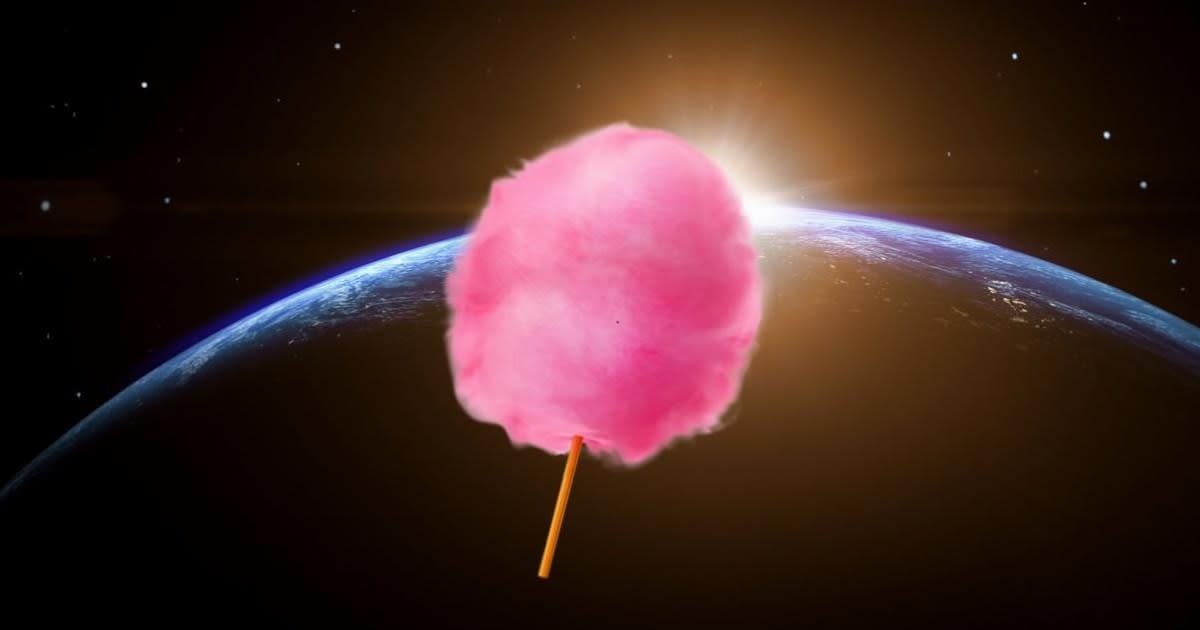
Dr. George Dransfield, the study's lead author, explains these planets have similar density to cotton candy or shaving foam. Jupiter packs 28 to 35 times more mass into the same space, making these newfound worlds some of the lightest exoplanets ever discovered.
"No, they're not made of pink candy floss," Dr. Dransfield told reporters with a laugh. "They also have a similar density to shaving foam, which at least is white, not pink, and doesn't taste nice either."
The discovery, published in the Monthly Notices of the Royal Astronomical Society, challenges everything scientists thought they knew about planetary formation. Planets this large shouldn't exist with such low density according to current models.
Super-puff planets are incredibly rare in the universe. Only a handful have been identified among the thousands of exoplanets catalogued so far, making TOI-791 b and c particularly special finds.
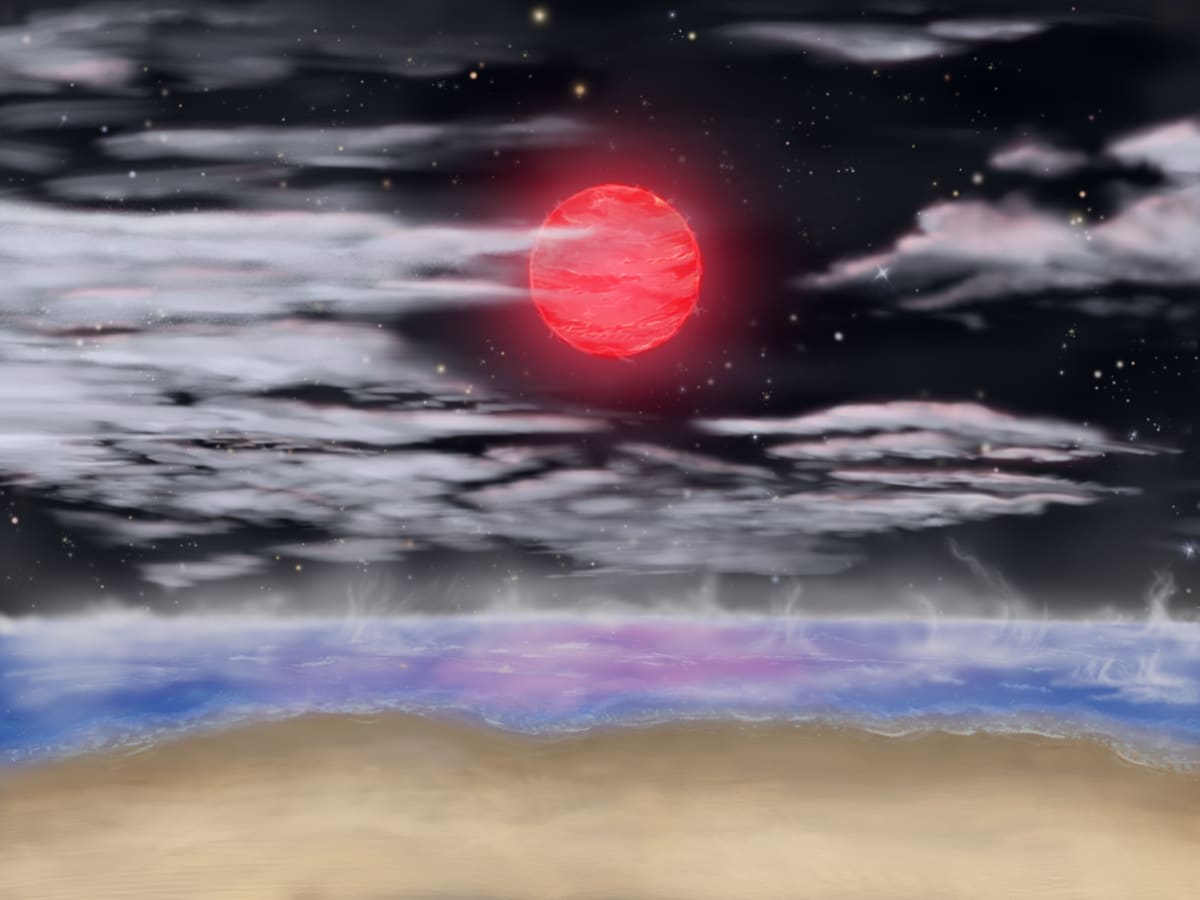
These fluffy worlds likely have thick atmospheres made of hydrogen and helium wrapped around small rocky cores. The exact composition remains a mystery that researchers are eager to solve.
Why This Inspires
This discovery reminds us how much wonder still exists in our universe. Every time scientists think they understand the rules of planetary formation, nature surprises them with something completely unexpected.
The finding opens new questions about how planets form and evolve. If Jupiter-sized worlds can exist with cotton candy density, what other cosmic oddities are waiting to be discovered in the vast darkness of space?
These super-puff planets also demonstrate the incredible precision of modern astronomy. Detecting and measuring worlds this distant requires cutting-edge technology and brilliant scientific minds working together.
The research team used data from NASA's Transiting Exoplanet Survey Satellite combined with ground-based observations to confirm their findings. Multiple telescopes around the world contributed to understanding these mysterious planets.
Dr. Dransfield and his colleagues hope future observations with more powerful telescopes will reveal exactly what makes these planets so extraordinarily light. Understanding their composition could rewrite textbooks on planetary science.
The universe continues to surprise us with discoveries that challenge our assumptions and expand our imagination about what's possible among the stars.
##
More Images




Based on reporting by Google News - Scientists Discover
This story was written by BrightWire based on verified news reports.
Spread the positivity!
Share this good news with someone who needs it