Rocky Planet Just 25 Light-Years Away May Support Life
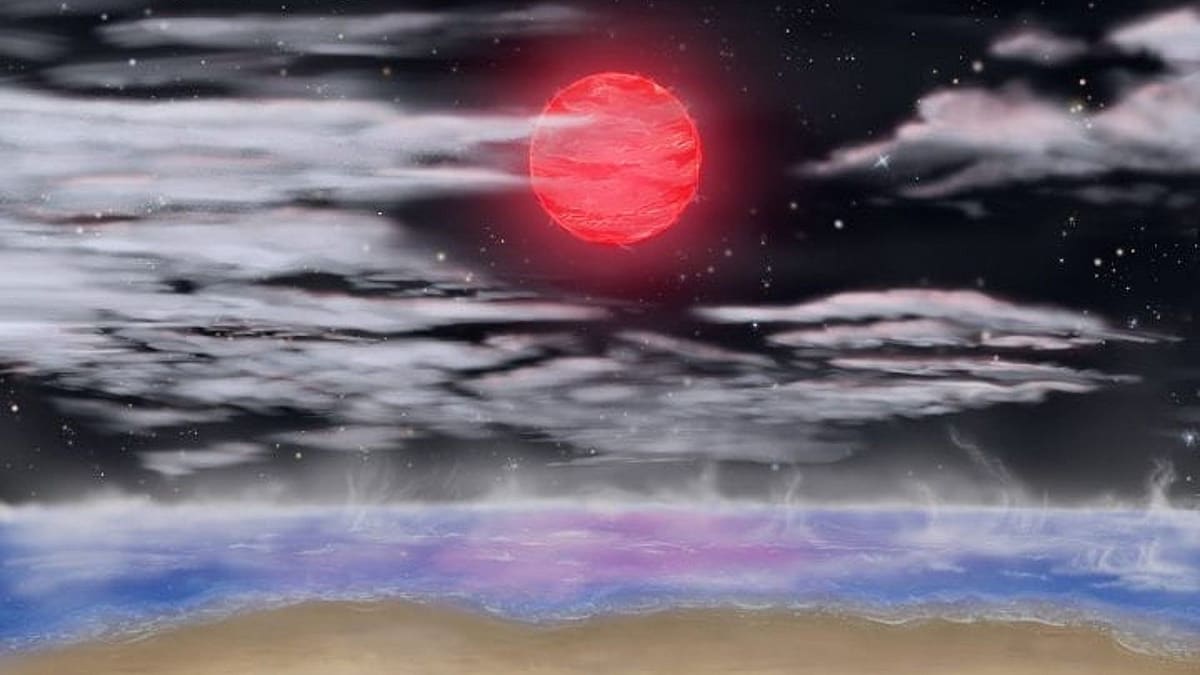
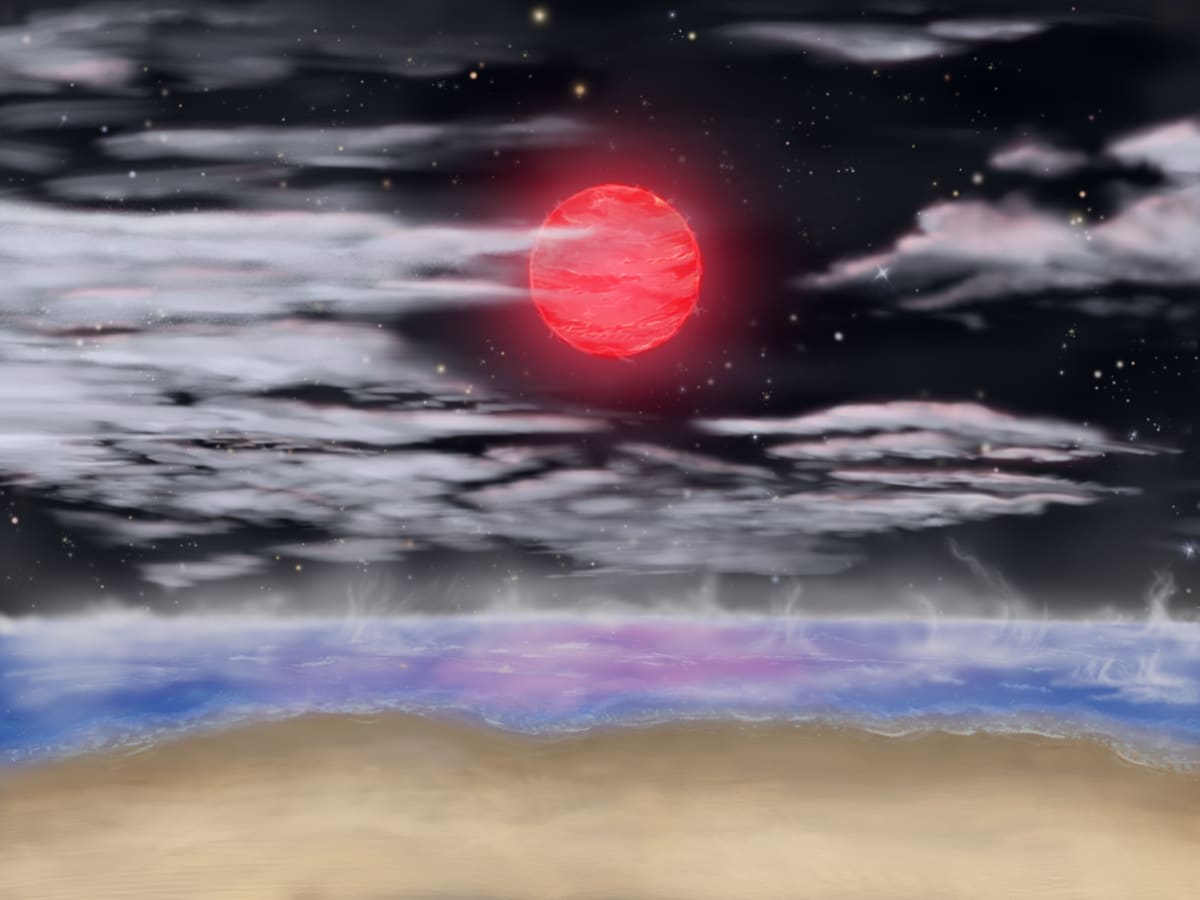
Scientists discovered a Super Earth in our cosmic backyard that sits in the sweet spot for liquid water. Better yet, new analysis shows it's lighter than first thought, making it more likely to support life.
Astronomers just found something extraordinary in our galactic neighborhood: a rocky planet that could harbor life, and it's only 25 light-years from Earth.
The planet, called GJ 3378b, orbits a red dwarf star in the constellation Camelopardalis. When scientists first spotted it in 2024, they thought it was too massive and too far from its star to support life.
But new research from the University of California, Irvine tells a different story. The team recalculated the planet's mass and found it's actually 2.3 times Earth's size, not five times as originally thought. That smaller size means it could have a thinner atmosphere instead of a crushing, dense one that would make life impossible.
Even better news: the planet completes its orbit in 21 days, not 25. That slight difference places it squarely in the habitable zone, the region around a star where liquid water can exist on a planet's surface.
"Our mantra is 'follow the water,'" said Paul Robertson, the study's lead researcher. "It's the one thing every known living thing on Earth needs, so that's the first thing we look for when trying to find environments that could sustain life."
Red dwarf stars like GJ 3378b's sun make up 70 to 75 percent of stars in our Milky Way galaxy. They're especially good at forming rocky planets in their habitable zones, making them prime targets in the search for alien life.
The discovery happened thanks to the Habitable-zone Planet Finder instrument at McDonald Observatory in Texas. This specialized tool uses infrared light to detect tiny wobbles in a star's orbit caused by orbiting planets. Finding these small signals requires incredible precision, but it's that precision that opens doors to discovering Earth-like worlds.
Why This Inspires
This discovery shows we're getting closer to answering humanity's biggest question: Are we alone? Every year, our instruments get better and our understanding deepens. The Giant Magellan Telescope and Extremely Large Telescope will come online soon, giving us the power to directly observe planets like GJ 3378b and search for signs of life.
We're no longer just dreaming about finding other habitable worlds. We're systematically mapping our cosmic neighborhood, identifying the planets nearest to us that could support life. GJ 3378b joins a growing list of potentially habitable planets within reach of our most advanced telescopes.
"We are still in the reconnaissance phase of our solar neighborhood," said astronomer Michael Endl. "This planet brings us one step closer to knowing all of our neighbors and, ultimately, which might be hospitable for life."
In cosmic terms, 25 light-years is practically next door, and we just found a neighbor worth getting to know better.
Based on reporting by Google News - Science
This story was written by BrightWire based on verified news reports.
Spread the positivity!
Share this good news with someone who needs it