Small Activist Group Changed How Big Corporations View Forests
A new book reveals how Rainforest Action Network grew from a tiny San Francisco group with no political power into a force that made corporations answer for rainforest destruction. Their secret was connecting everyday choices to distant forests and never giving up.
When Rainforest Action Network started in 1985, it had almost nothing that powerful organizations usually have. No big budget, no lawyers, no political connections, and no way to force global corporations to change their behavior.
What it did have changed environmental activism forever. Randy Hayes and a network of passionate volunteers discovered they could pressure major companies by connecting distant rainforest destruction to everyday consumer choices.
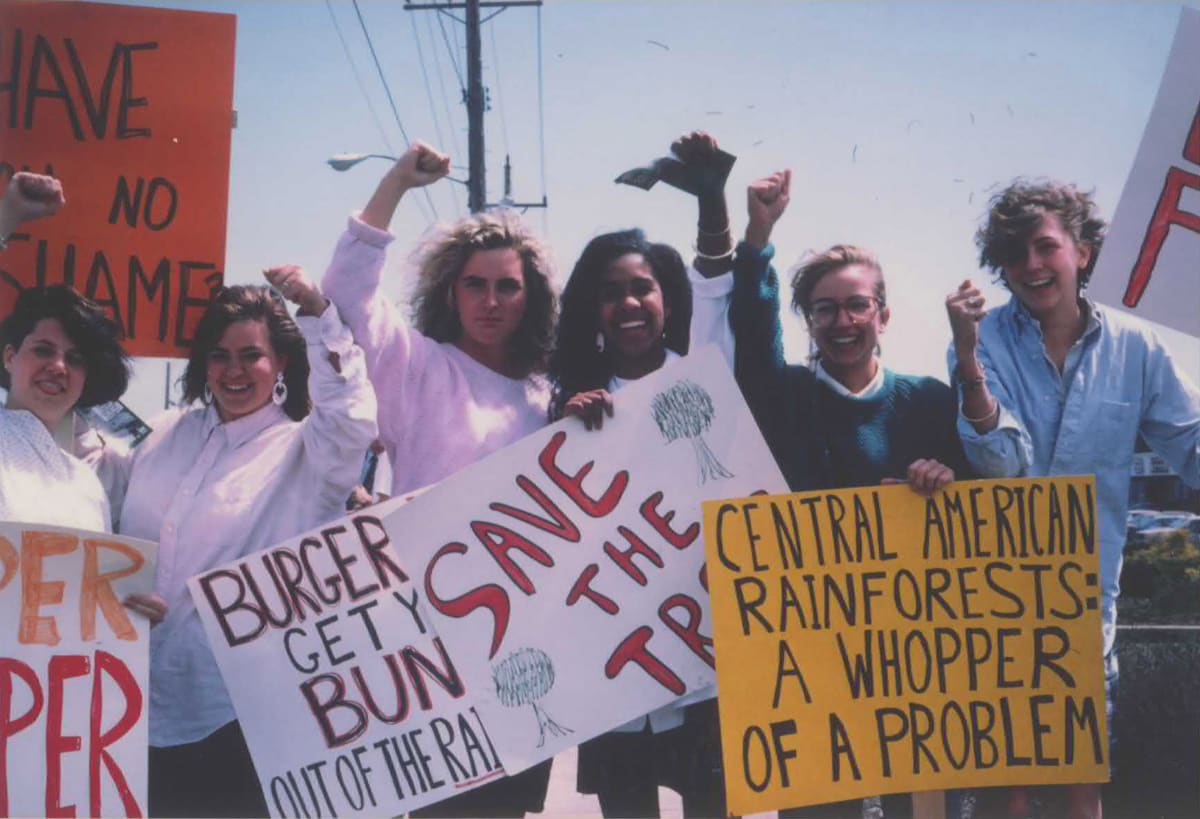
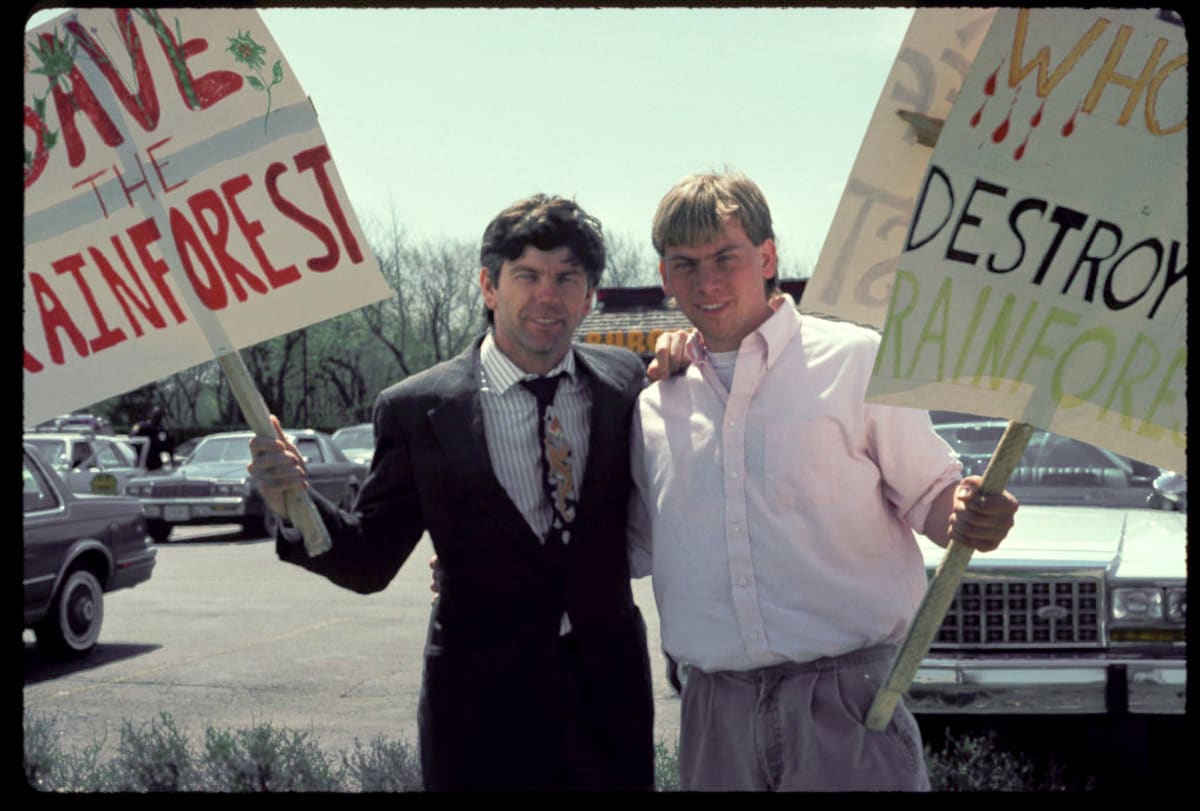
The group's first big win came when they targeted Burger King over rainforest beef. They didn't need legal authority or political muscle. They needed creativity, persistence, and people willing to show up city after city with a simple message: your hamburger is destroying forests.
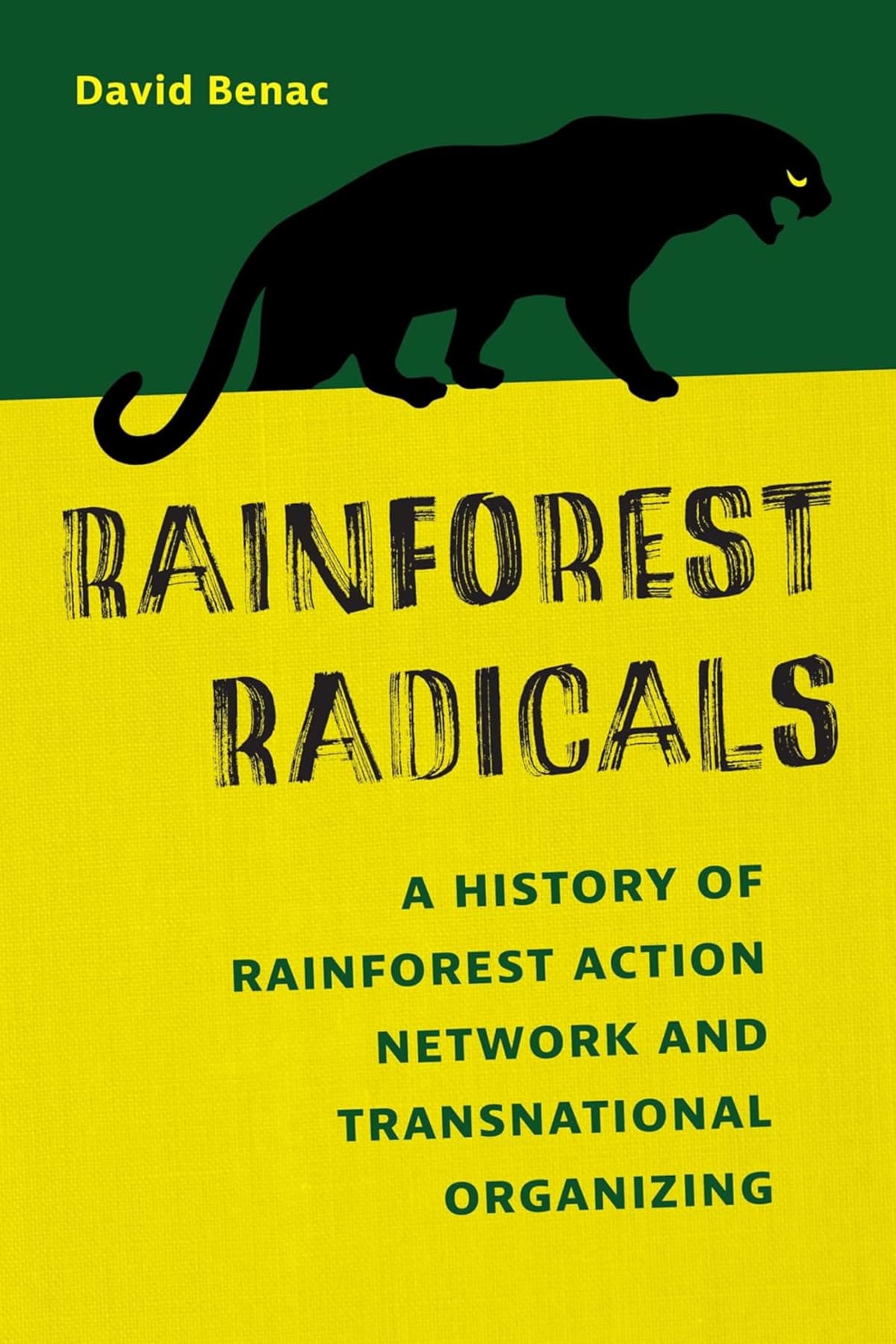
A new book by historian David Benac tells the full story. "Rainforest Radicals" documents how RAN combined theater, humor, and nonviolent protests to make global problems feel personal and local.
In one memorable action, activists used a Home Depot intercom to guide shoppers toward products linked to rainforest destruction. The stunt worked because it made the invisible visible right in the store aisle.
RAN organized local Rainforest Action Groups across the country. These small teams could choose their own tactics while staying within broad guidelines. A corporation could ignore one protest, but not hundreds of groups showing up year after year in different cities.
The group also did something many environmental organizations at the time didn't do. They centered Indigenous rights and self-determination in their forest campaigns, recognizing that forests aren't just ecological spaces but homelands and cultural territories.
Why This Inspires
RAN proved that you don't need traditional power to create real change. Their campaigns against the World Bank, Mitsubishi, and other giants succeeded because they found the pressure points where public attention and corporate reputation intersect.
The Hawaiian rainforest campaign showed their approach at its best. Native Hawaiian organizers led the effort while RAN provided media attention, funding, and organizing experience as supporters, not directors.
Today's activists still use RAN's playbook: make connections between daily life and global problems, stay persistent, support local leadership, and never underestimate the power of creative theater to cut through noise.
Small groups with clear purpose and creative tactics can move mountains when they refuse to give up.
More Images
Based on reporting by Mongabay
This story was written by BrightWire based on verified news reports.
Spread the positivity!
Share this good news with someone who needs it