Small Nuclear Reactors Could Power Remote Towns by 2030
Compact nuclear reactors the size of two soccer fields are moving from submarines to communities, promising clean energy in half the construction time of traditional plants. China and Russia already have two operating, with more countries racing to build these mini power sources.
Imagine a nuclear power plant that fits in the space of two soccer fields and takes just three years to build instead of a decade. That future is already arriving in parts of the world.
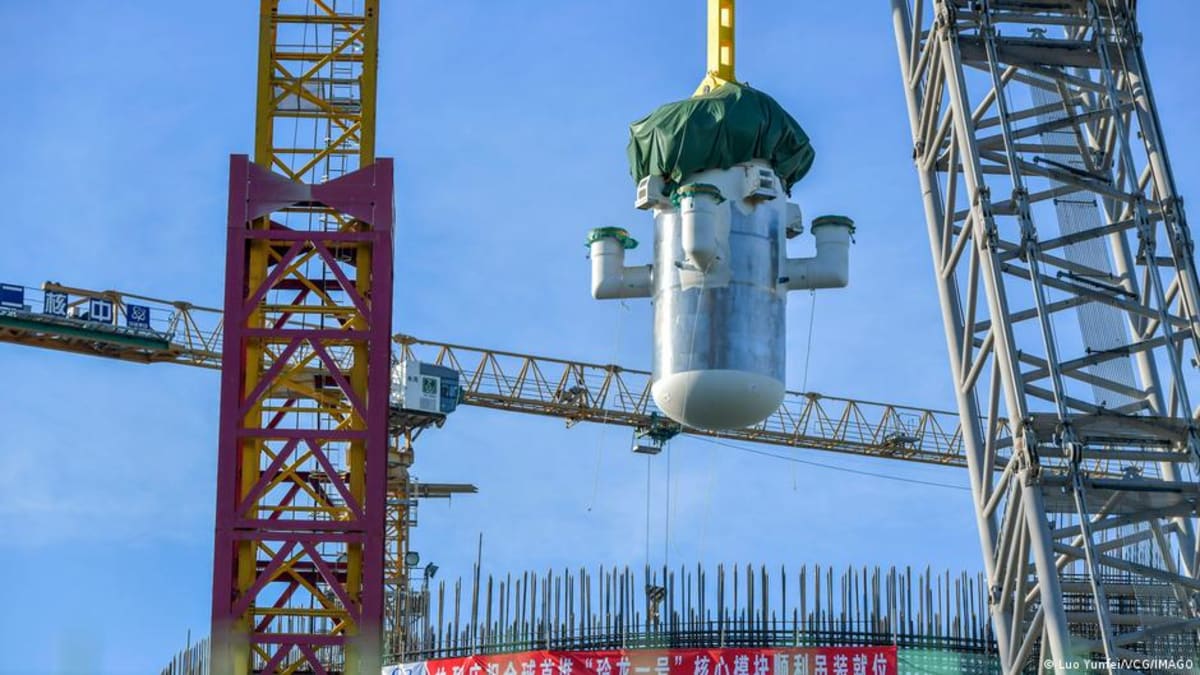
Small Modular Reactors, or SMRs, are bringing nuclear technology originally designed for submarines to everyday communities. These compact plants work just like their larger cousins, using uranium to create heat that turns water to steam and drives electricity-generating turbines. The difference is they can be built in factories, shipped in pieces, and assembled on-site like a giant prefab house.
China installed the world's first commercial SMR in 2023, and Russia is operating another. Companies across multiple countries are now racing to build more of these mini reactors.
The appeal goes beyond their small footprint. Traditional nuclear plants need land equivalent to 280 soccer fields and can take seven to 10 years to complete. SMRs promise construction timelines as short as 18 months, making clean energy available much faster when the world desperately needs it.
Remote communities stand to benefit most. Small towns and isolated regions often lack the grid infrastructure to handle massive conventional plants. An SMR could deliver between 10 and 200 megawatts of steady, carbon-free power exactly where it's needed.
The Bright Side
The modular approach means these reactors can be mass-produced, potentially bringing costs down over time. Factory construction also means better quality control than building custom plants from scratch on-site in all weather conditions.
Safety gets a boost too. Because each reactor contains less radioactive material and they're spread across multiple locations, any single incident would affect a smaller area than at a massive centralized plant.
Some advanced SMR designs promise to squeeze 60 to 70 times more energy from the same amount of uranium as current technology, according to the International Atomic Energy Agency. While that technology remains in early development, it shows how innovation continues pushing nuclear power forward.
The waste recycling puzzle hasn't been solved yet, and these reactors are still proving themselves in real-world conditions. But the progress shows clean energy solutions are evolving beyond just solar panels and wind turbines.
As energy demand climbs worldwide, these compact power plants offer another tool to keep the lights on without adding carbon to the atmosphere.
More Images
Based on reporting by DW News
This story was written by BrightWire based on verified news reports.
Spread the positivity!
Share this good news with someone who needs it