Smaller Prey Drove Ancient Tool Revolution, Not Smarter Brains
Israeli researchers discovered that prehistoric humans switched to smaller, more sophisticated tools 200,000 years ago not because they got smarter, but because the giant animals they hunted disappeared. This finding rewrites our understanding of how the environment shapes human innovation.
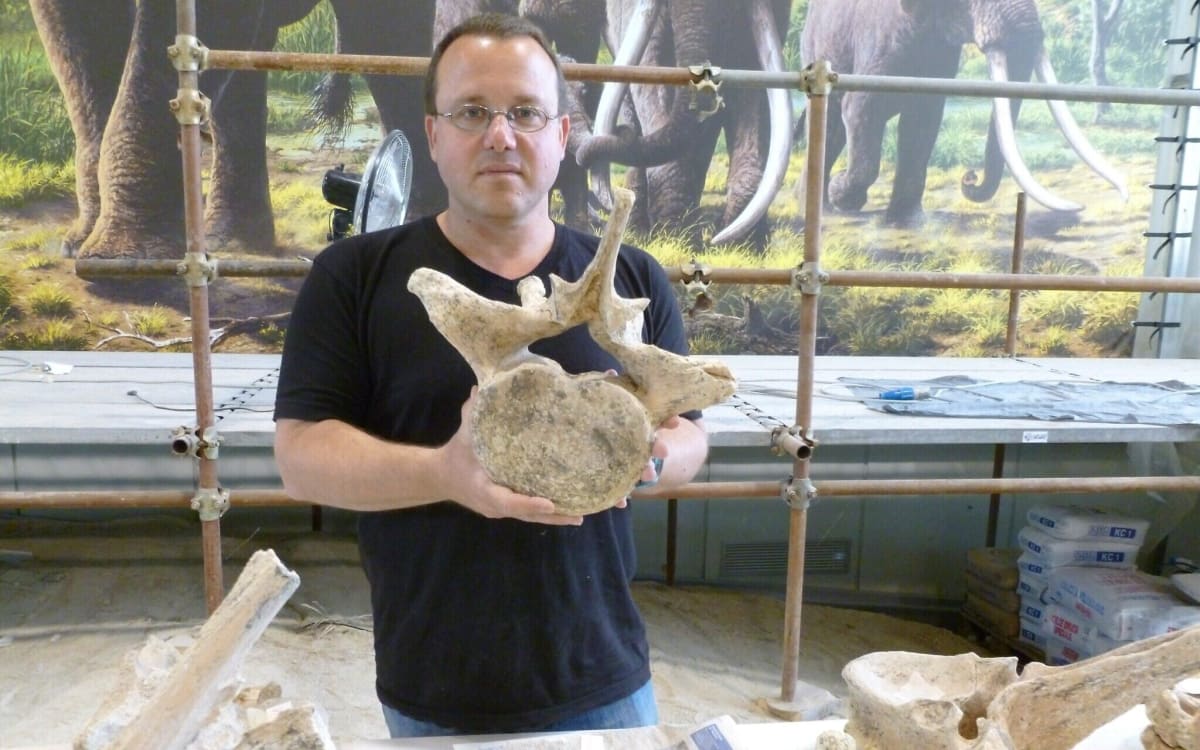
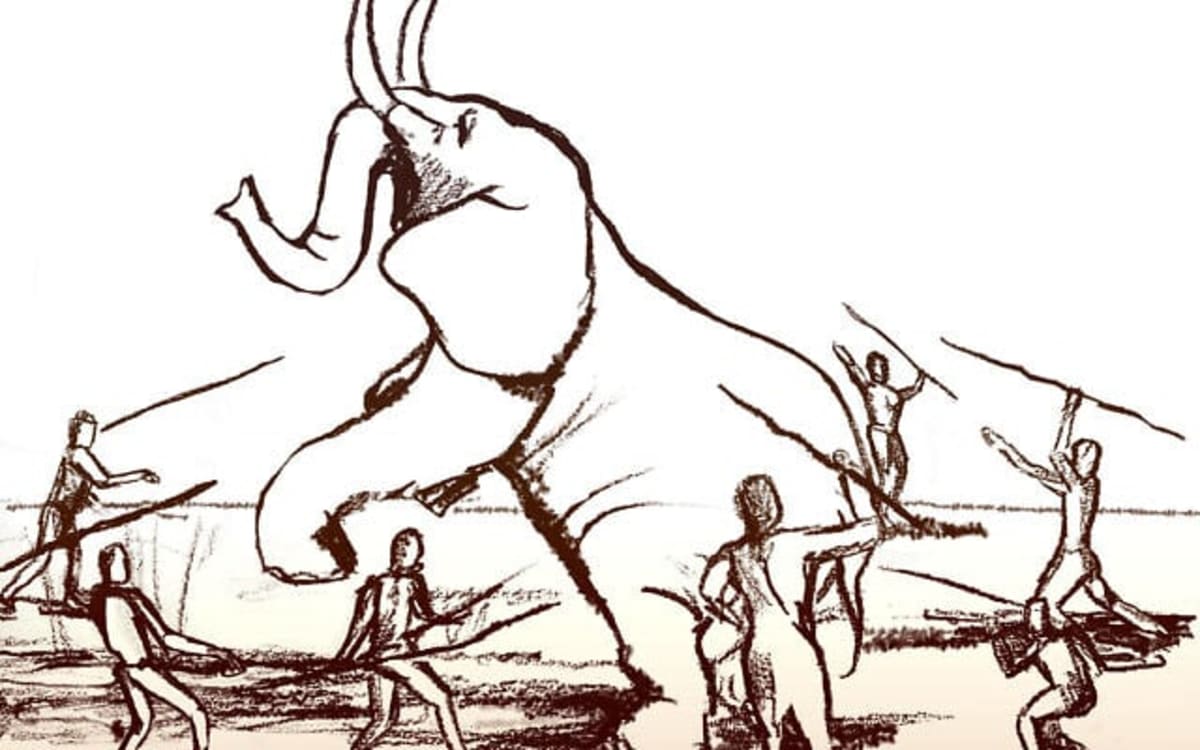
For nearly 2 million years, our ancestors butchered 13-ton elephants with massive stone handaxes. Then, suddenly, those heavy tools vanished and humans started making smaller, lighter cutting instruments instead.
Scientists always assumed this shift happened because ancient humans got smarter. New research from Tel Aviv University tells a completely different story.
The real reason? The elephants ran out.
"The dramatic decline in megaherbivores was the key driver of this technological change," says PhD candidate Vlad Litov, who led the study published in Quarterly Science Review. His team analyzed animal bones and stone tools from dozens of prehistoric sites across the Middle East.
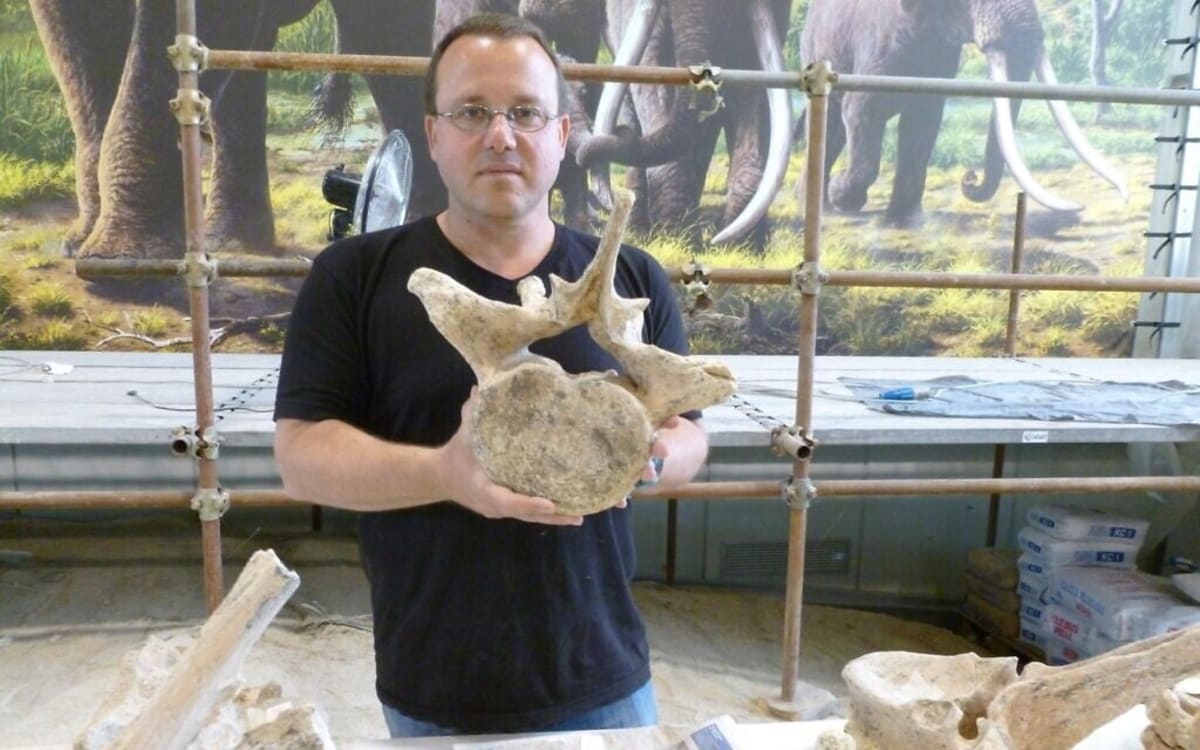
What they found challenges everything we thought we knew about human evolution. Around 200,000 years ago, the straight-tusked elephants that weighed up to 13 tons began disappearing, along with rhinos and hippos. A single elephant could feed a community for months, making those massive stone cleavers worth carrying around.
But when humans had to switch to hunting fallow deer and other smaller animals, those giant tools became useless. Lighter, more precise tools worked better for processing smaller prey.
Professor Ran Barkai has spent over a decade researching how megaherbivore extinction shaped human development. His team's earlier work suggested that losing access to huge animals eventually forced humans to domesticate plants and animals during the agricultural revolution.
Why This Inspires
This discovery reminds us that humans are incredibly adaptable problem solvers. Our ancestors didn't need bigger brains to innovate. They simply responded creatively to the world changing around them.
The research shows that necessity truly drives invention. When the environment shifted, humans didn't give up or go hungry. They observed, adapted, and created entirely new technologies to thrive.
"The environment not only influenced early humans, but directly shaped their technology, and perhaps even their cultural and cognitive development," Barkai explains. Major ecological changes don't just challenge us. They spark breakthroughs that reshape civilization.
The next time you face an unexpected obstacle, remember our prehistoric ancestors staring at a deer with an elephant-sized axe. They figured it out, and innovation followed.
More Images


Based on reporting by Google News - Israel Technology
This story was written by BrightWire based on verified news reports.
Spread the positivity!
Share this good news with someone who needs it