Smartwatch Could Detect Diabetes Risk Years Earlier
Scientists developed a way to predict type 2 diabetes risk using data from smartwatches and simple blood tests, potentially helping millions catch the warning signs before it's too late. The breakthrough could make early detection as easy as checking your daily step count.
A fitness tracker on your wrist might soon save you from diabetes, thanks to a groundbreaking study that combines wearable technology with artificial intelligence to spot warning signs years before diagnosis.
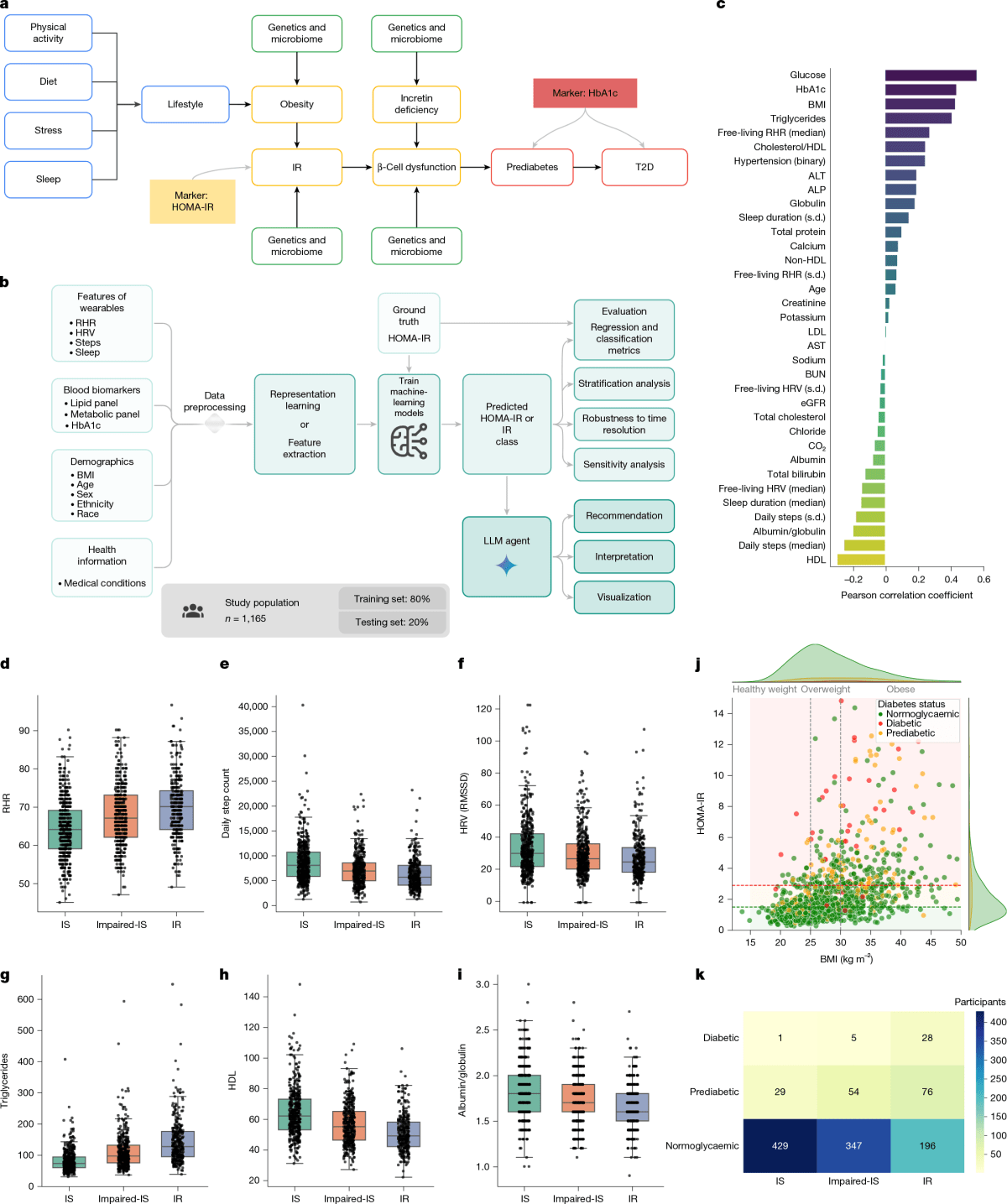
Researchers trained AI to detect insulin resistance, the main precursor to type 2 diabetes, by analyzing data from smartwatches alongside routine blood tests. The system achieved 80% accuracy in identifying people at risk, opening the door to early intervention when lifestyle changes can still reverse the condition.
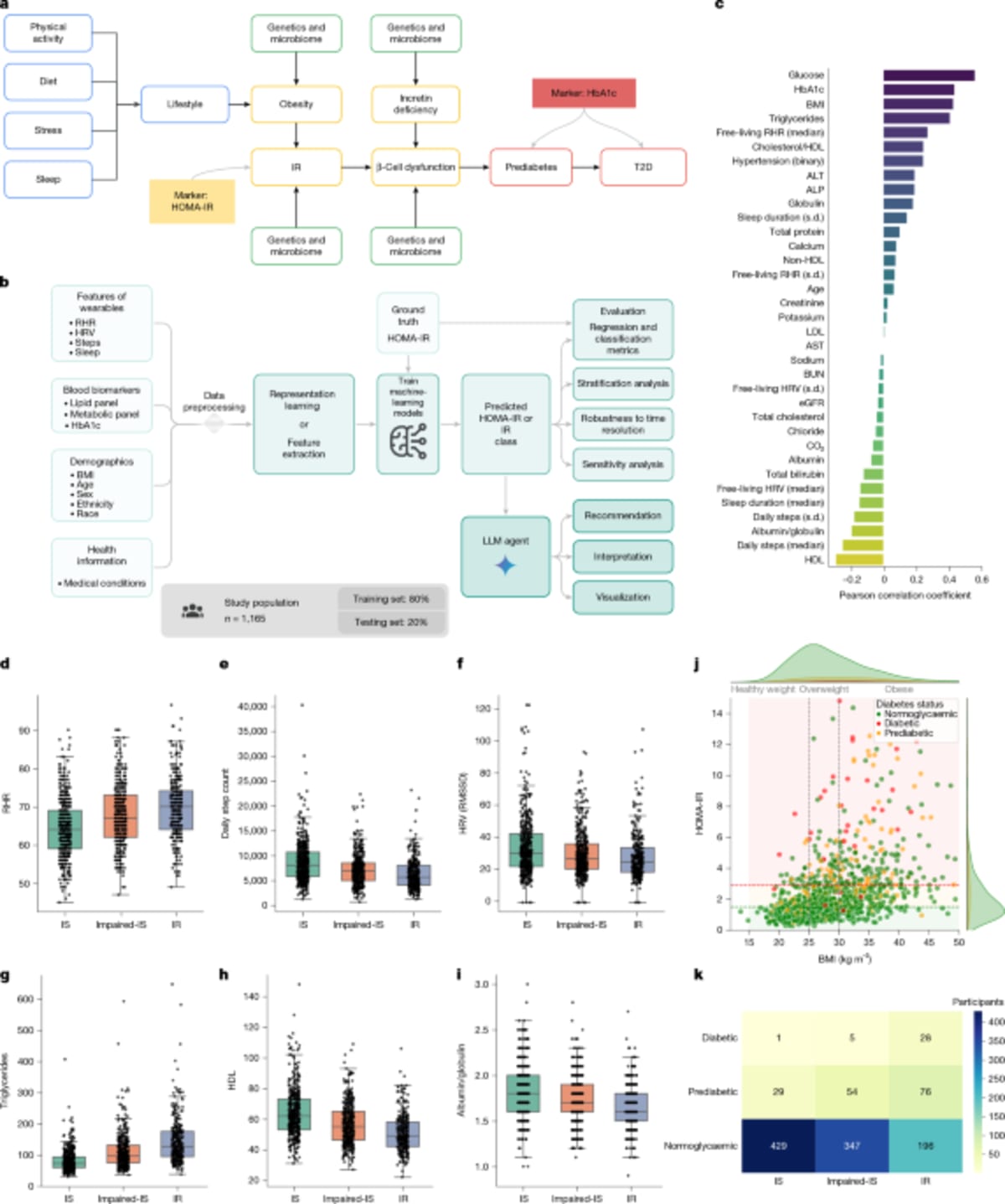
The WEAR-ME study followed 1,165 participants remotely, tracking everything from resting heart rate and daily steps to heart rate variability. When combined with basic blood work like cholesterol and glucose levels, the AI spotted patterns that traditional screening might miss.
What makes this particularly exciting is the scale of the problem it addresses. An estimated 537 million adults worldwide currently live with diabetes, and that number is projected to hit 643 million by 2030. Most cases are type 2 diabetes, largely driven by lifestyle factors that could be changed with early warning.
Right now, diagnosing insulin resistance requires expensive, hard-to-access tests that keep many people from getting screened. This new approach uses technology people already own and blood tests doctors already order, making early detection accessible to millions more.
The research team even fine-tuned their model using a foundation trained on 40 million hours of sensor data from wearables. In a separate validation group, adding smartwatch data boosted prediction accuracy from 66% to 88% when combined with demographics and standard blood panels.
Why This Inspires
This isn't just about better diagnostics. It's about catching a preventable disease before it takes hold. Insulin resistance can be improved or even reversed through weight loss, regular exercise, and dietary changes, but only if people know they're at risk.
The team integrated their AI predictions with a large language model that can explain results in plain language and offer personalized recommendations. Instead of waiting for a diagnosis, people could receive actionable guidance based on the watch already on their wrist.
Between 20% and 40% of the general population has insulin resistance, often without knowing it. Early identification could help people make targeted lifestyle changes, like resistance training or calorie-restricted diets, scientifically proven to prevent and treat the condition.
Technology that once just counted our steps might now count among the most powerful tools for preventing one of the world's fastest-growing health crises.
More Images
Based on reporting by Nature News
This story was written by BrightWire based on verified news reports.
Spread the positivity!
Share this good news with someone who needs it