Smartwatch Could Soon Predict Diabetes Risk Early
Scientists developed a new way to catch diabetes risk years earlier using everyday smartwatches and simple blood tests. The breakthrough could help millions prevent the disease before it starts.
Millions of people could soon get an early warning about diabetes risk just by wearing their everyday smartwatch, thanks to a breakthrough study that combines wearable tech with routine blood tests.
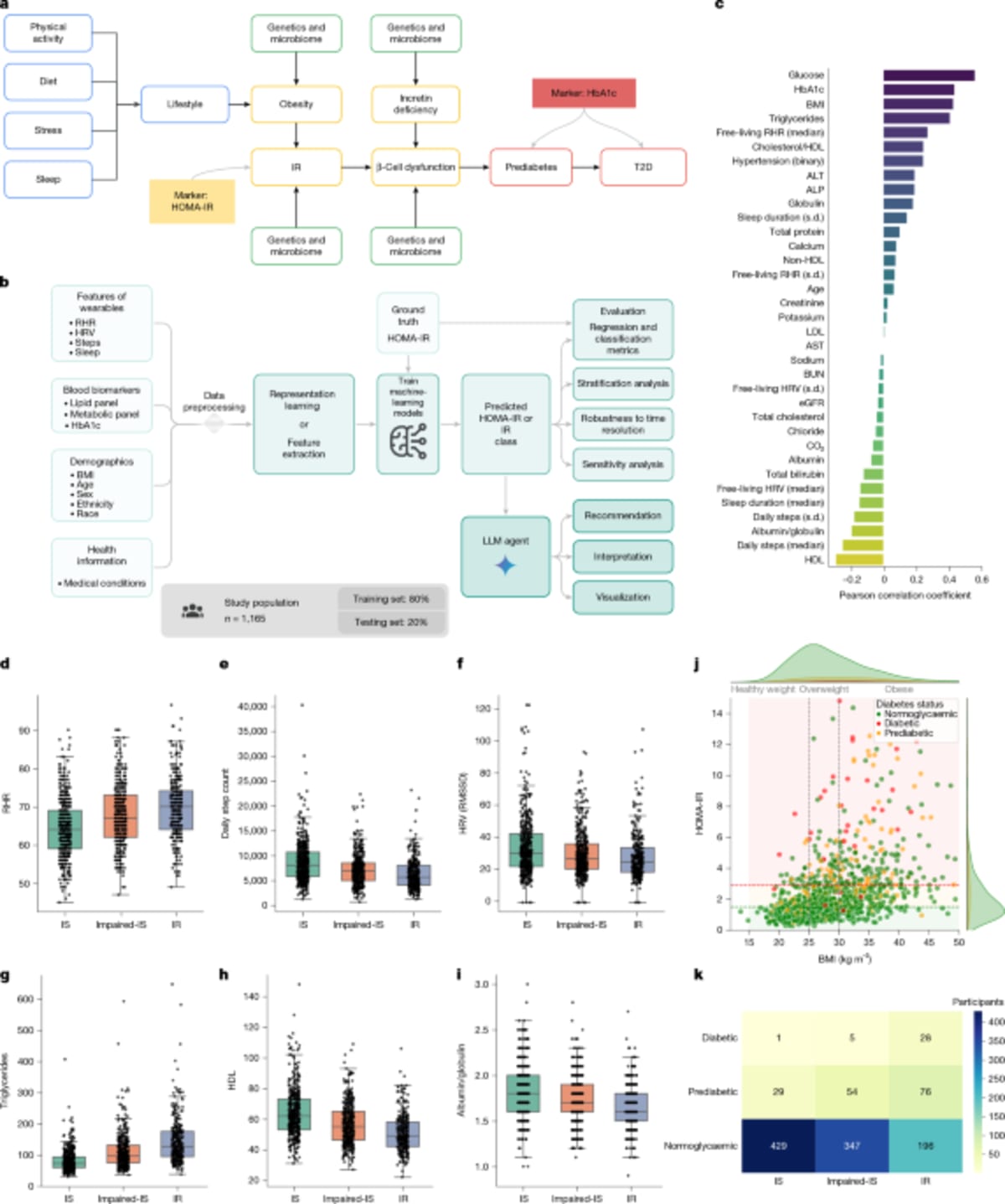
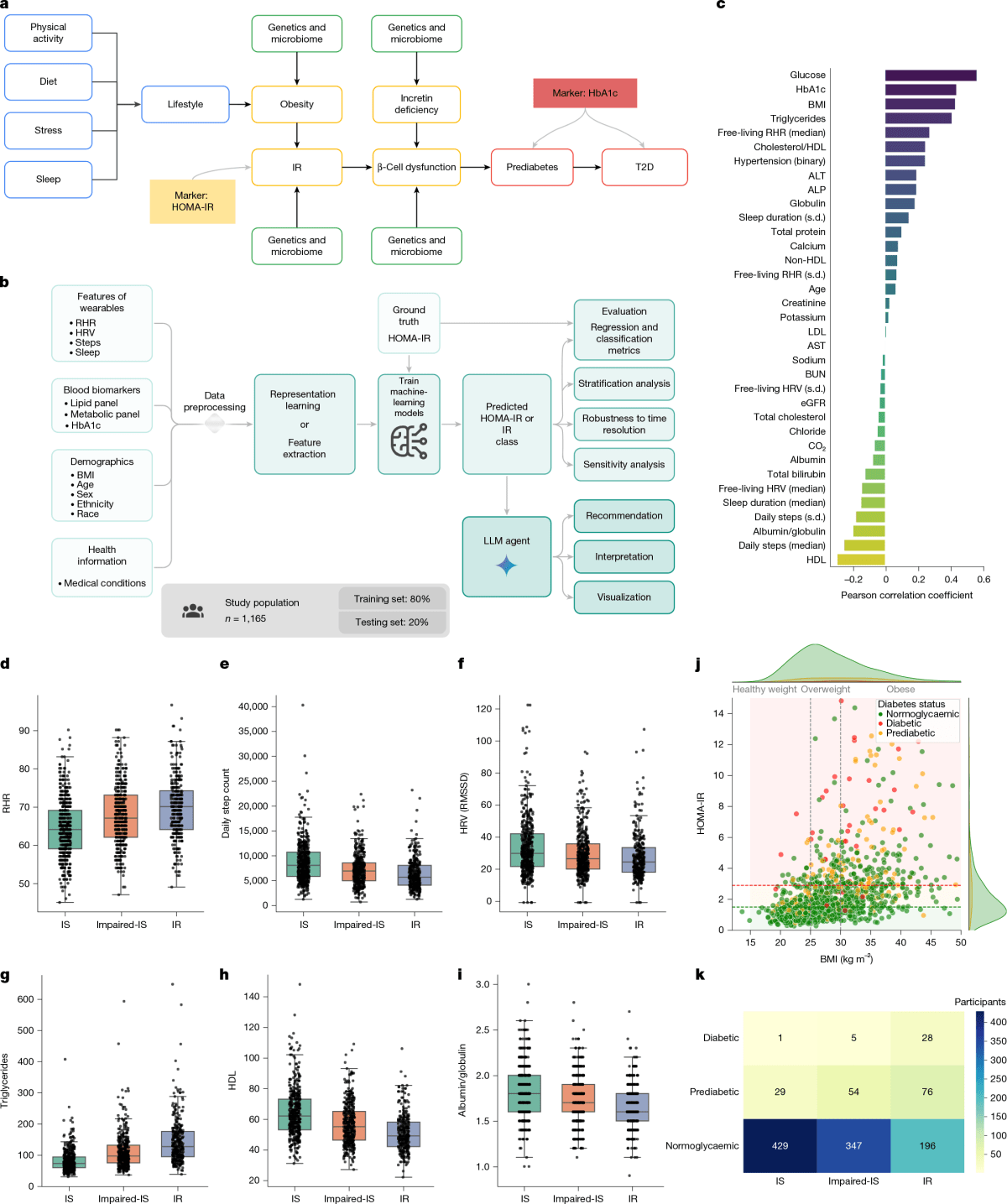
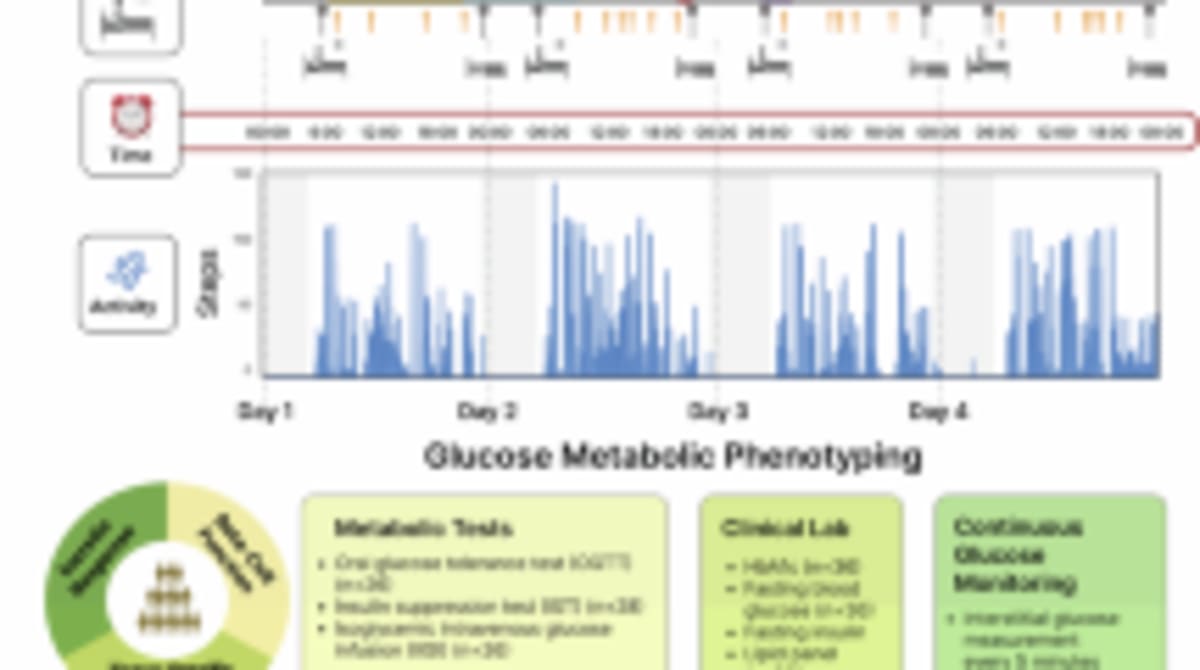
Researchers trained artificial intelligence to detect insulin resistance, the primary warning sign before type 2 diabetes develops, by analyzing data from 1,165 participants' fitness trackers. The system watches patterns in heart rate, step counts, and heart rate variability alongside basic blood work to spot trouble brewing.
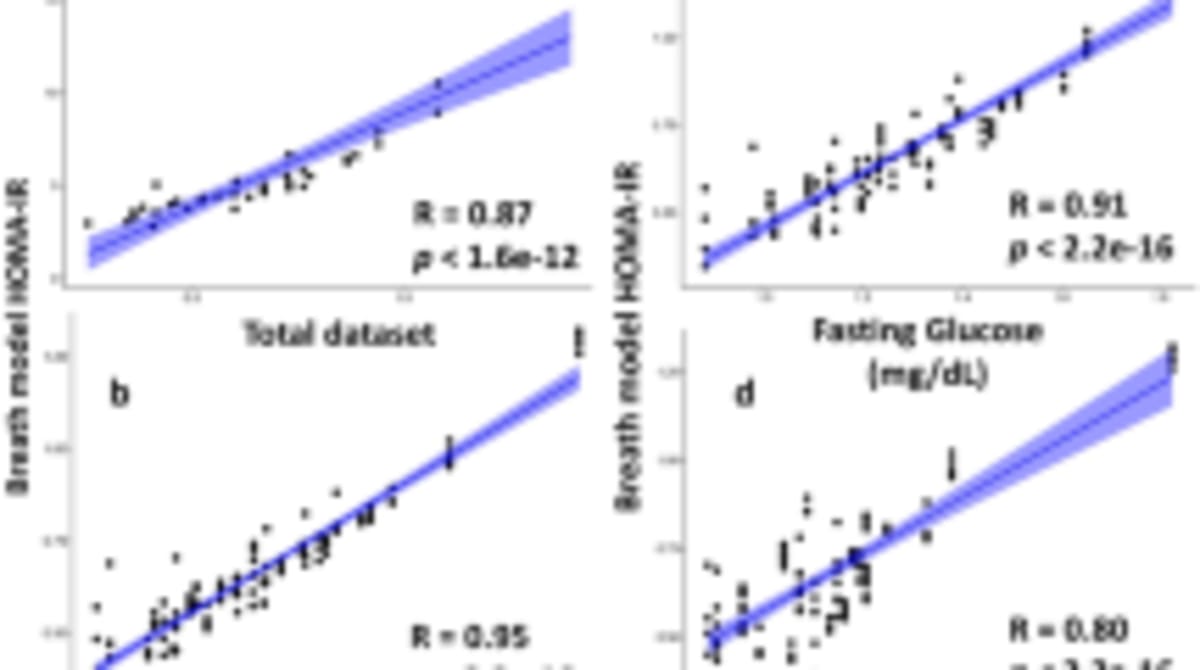
The results impressed even the scientists. Their model accurately identified insulin resistance 80% of the time, catching three out of four people who had it while correctly clearing 84% of those who didn't.
What makes this approach game-changing is its accessibility. Current methods for detecting insulin resistance require expensive tests that aren't widely available, which means most people don't know they're at risk until it's almost too late. This new method uses technology millions already own and blood tests doctors routinely order.
The research team took things further by training their AI on 40 million hours of wearable sensor data. When they tested this enhanced version on a new group of 72 people, it performed even better than models relying on demographics alone. Adding the smartwatch data to traditional blood markers like fasting glucose and cholesterol panels dramatically improved accuracy, jumping from 76% to 88%.
The timing couldn't be more critical. An estimated 537 million adults worldwide currently live with diabetes, and that number is expected to hit 643 million by 2030. About 90% of those cases are type 2 diabetes, driven largely by lifestyle factors that insulin resistance signals years in advance.
The Ripple Effect
Early detection of insulin resistance opens the door to lifestyle changes that can stop diabetes before it starts. Weight management, increased physical activity, and dietary adjustments work best when started early, before the body's insulin-producing cells become overwhelmed.
The researchers even built their predictions into a large language model that can explain results in plain language and offer personalized recommendations. Instead of just getting a number, people could receive actionable guidance tailored to their situation.
Beyond diabetes prevention, catching insulin resistance early also helps reduce risk for related conditions like fatty liver disease and heart disease. The same warning sign points to multiple health threats, making early detection even more valuable.
This research establishes a practical, scalable framework that could work anywhere people have smartphones and access to basic healthcare. The technology transforms everyday devices into powerful health monitoring tools, democratizing preventive care that was once available only through specialized testing.
More Images
Based on reporting by Google News - Health
This story was written by BrightWire based on verified news reports.
Spread the positivity!
Share this good news with someone who needs it