Snuffleupagus Ghost Pipefish Found After 20-Year Search
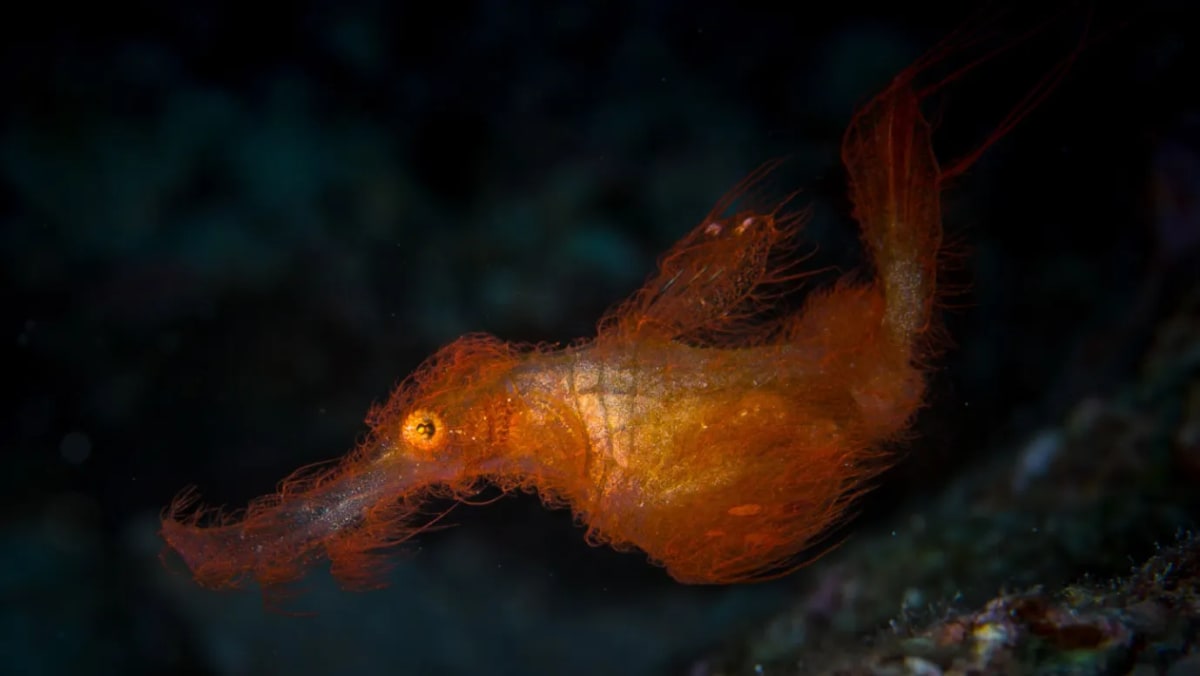
Scientists finally identified a bizarre fish so covered in orange fuzz it looks like Sesame Street's Snuffleupagus, ending a two-decade mystery. The discovery also rewrites what we thought we knew about these tiny ocean dwellers.
A tiny fish covered in wild orange hair has stumped scientists for 20 years, and now we finally know what it is.
Marine biologist David Harasti first spotted the creature while diving off Papua New Guinea in 2001. He thought he was looking at floating red algae until it started swimming away.
"I was perplexed," Harasti said. "You don't often get a moment like that in your career, where you realize you could be looking at a species no one has ever documented before."
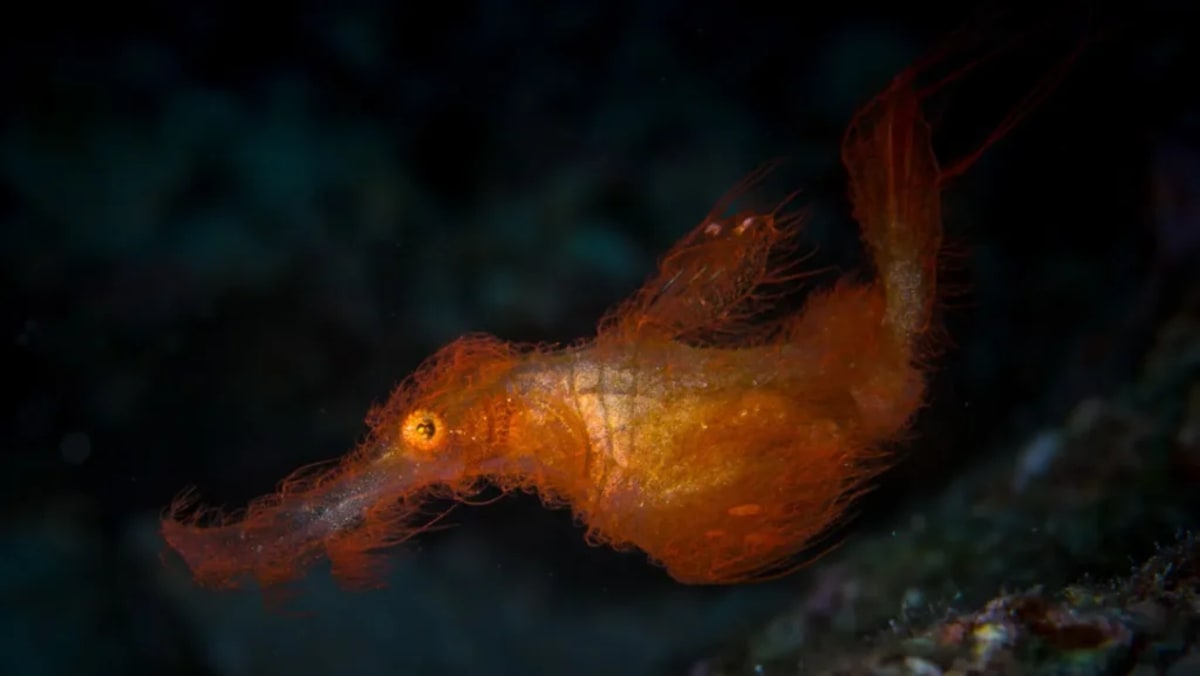
The fish measures just 2 to 3.5 centimeters long, about the size of a paperclip. Its body is so thoroughly covered in fuzzy filaments that researchers named it Solenostomus snuffleupagus after the shaggy Sesame Street character.
For nearly two decades, the hairy mystery stayed hidden despite occasional sightings near the Great Barrier Reef, Fiji, and Tonga. In 2020, after another diver reported seeing one near Cairns, Australia, Harasti teamed up with scientists to mount a serious search.
They spent hours scanning coral outcrops and dense patches of red seaweed between 5 and 30 meters deep. Eventually, they found both male and female specimens.
Using high-resolution micro-CT scans, ichthyologist Graham Short discovered the fish was completely distinct from its relatives. It has 36 vertebrae compared to the 32 to 34 in similar species, and DNA analysis showed it split from its nearest cousin about 18 million years ago.
Why This Inspires
The discovery proves that even in our well-studied oceans, nature still holds delightful surprises. The fish's elaborate disguise isn't just charming but a testament to millions of years of evolution perfecting the art of hide and seek.
The biggest shock came from examining stomach contents. Researchers found the skeleton of an entire small fish inside, making this the first confirmed case of a ghost pipefish eating anything bigger than tiny crustaceans.
"This species had been hiding in plain sight for over two decades," Short explained. Its hair-like filaments almost certainly help it blend perfectly with algae and reef growth.
Most individuals sport deep reddish-orange coloring to match their surroundings, though divers have spotted rare green variants. "It's so hairy compared to other species," Short said, noting that while some ghost pipefishes have fuzzy patches, this one went all in.
After 20 years of searching, the ocean's shaggiest fish finally has a name and reminds us there's still so much wonder left to discover.
More Images
Based on reporting by Google News - Scientists Discover
This story was written by BrightWire based on verified news reports.
Spread the positivity!
Share this good news with someone who needs it