Scientists Discover 1,121 New Ocean Species in One Year
More than 1,000 researchers just unveiled over 1,100 newly discovered ocean species, from carnivorous "death ball" sponges to ghost sharks living miles beneath the waves. The discoveries prove our oceans are teeming with life we're only beginning to understand.
Scientists have discovered 1,121 previously unknown species hiding in Earth's oceans over the past year, revealing a vibrant underwater world we're just starting to explore.
The Ocean Census project brought together more than 1,000 researchers from 85 countries on 13 expeditions to some of the planet's most mysterious waters. What they found was nothing short of extraordinary.
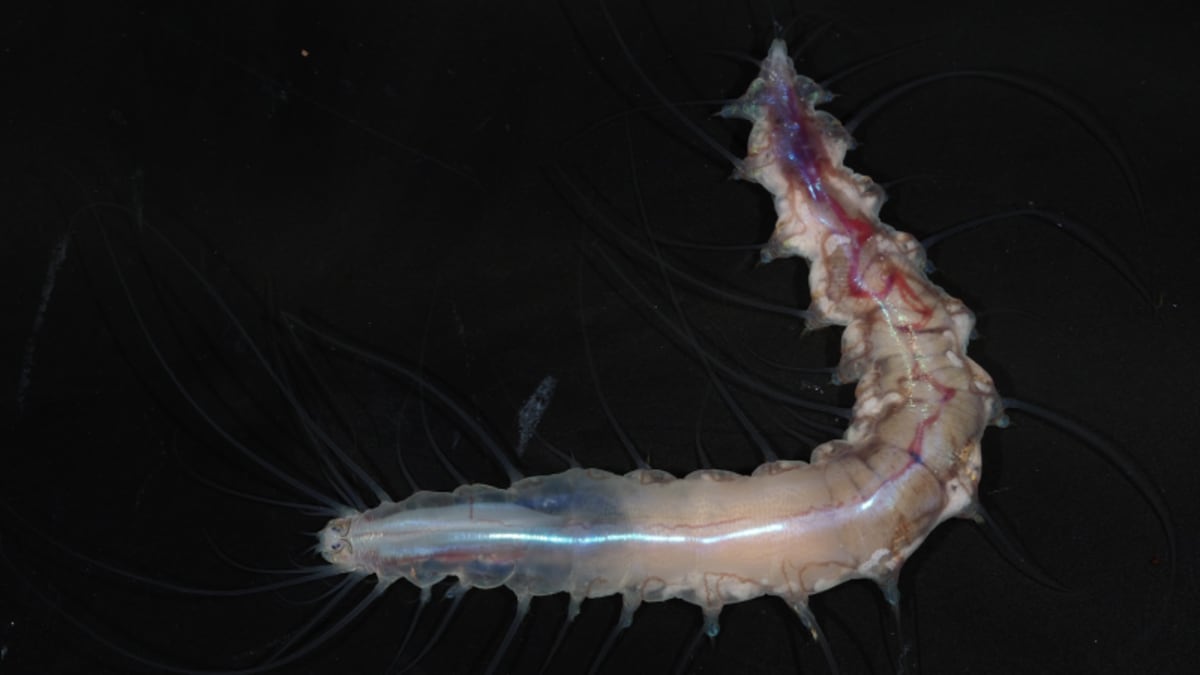
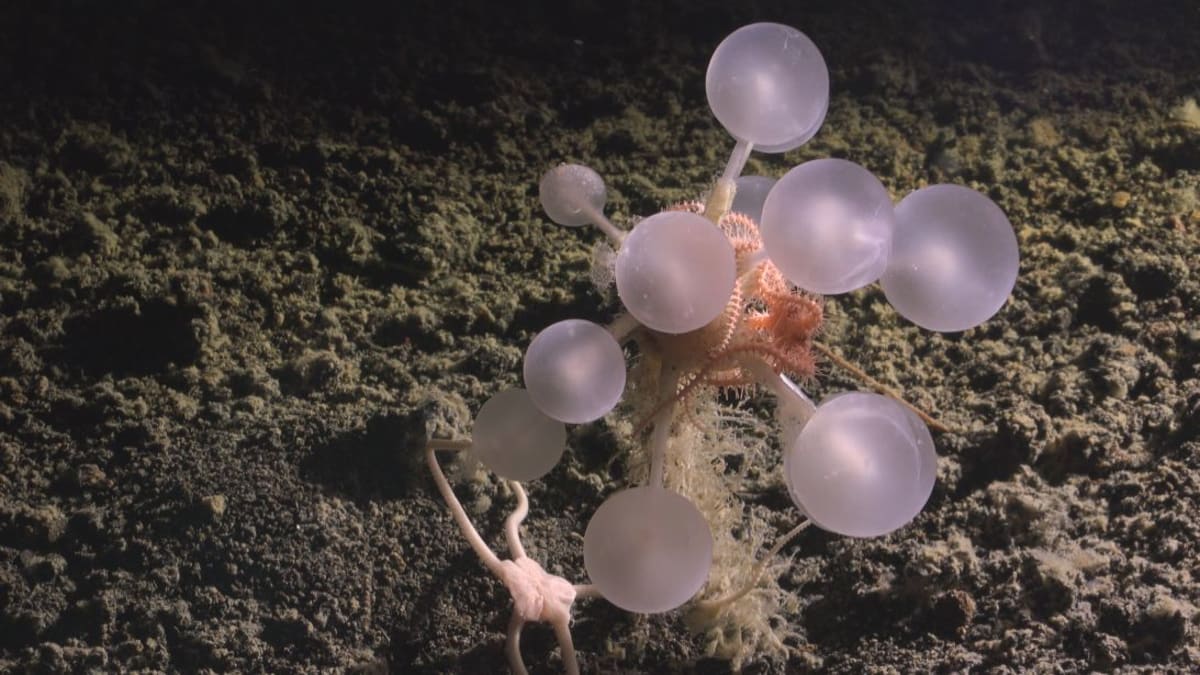
Off Japan's coast, 2,600 feet below the surface, they discovered a tiny worm that makes its home inside a glass sponge. The translucent structure, nicknamed a "glass castle," provides the worm with protection and nutrients. In return, the worm keeps its host clean by removing harmful debris.
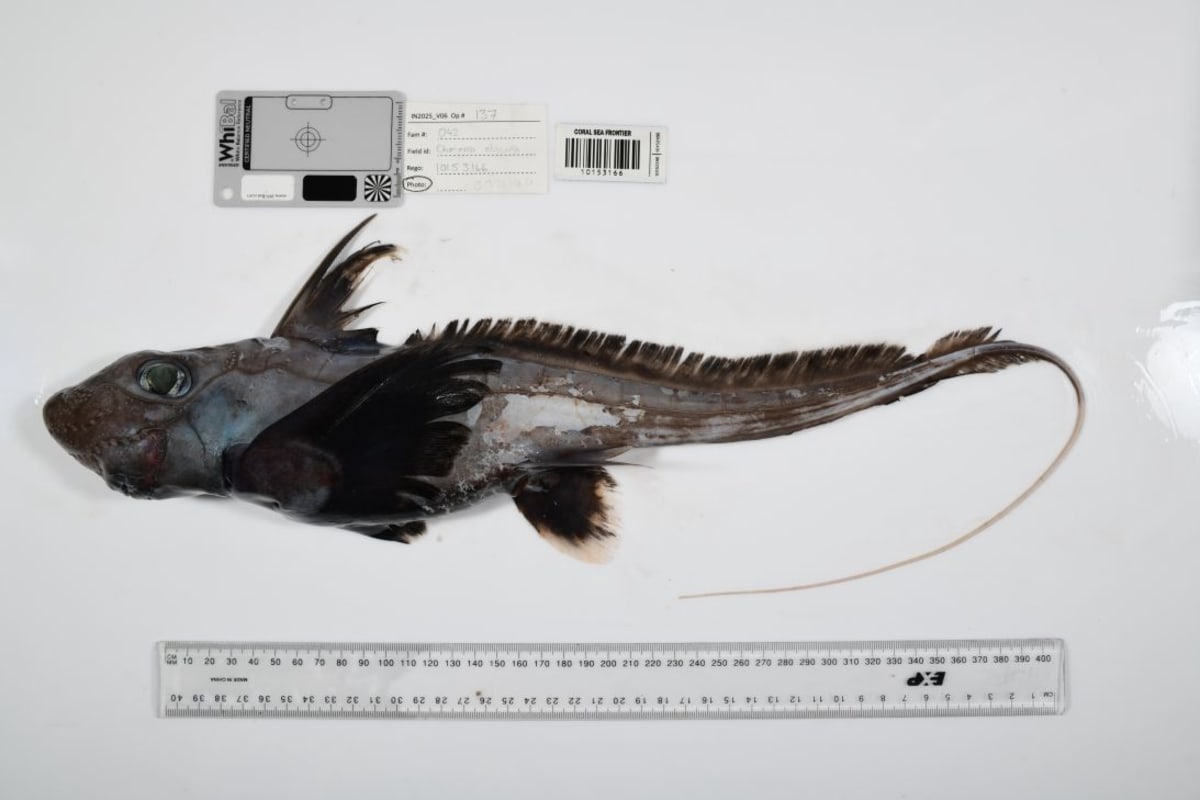
Near Australia, scientists spotted a "ghost shark" at depths of 2,700 feet. This rare creature split from its shark and ray relatives nearly 400 million years ago, making it a living window into ancient ocean history.
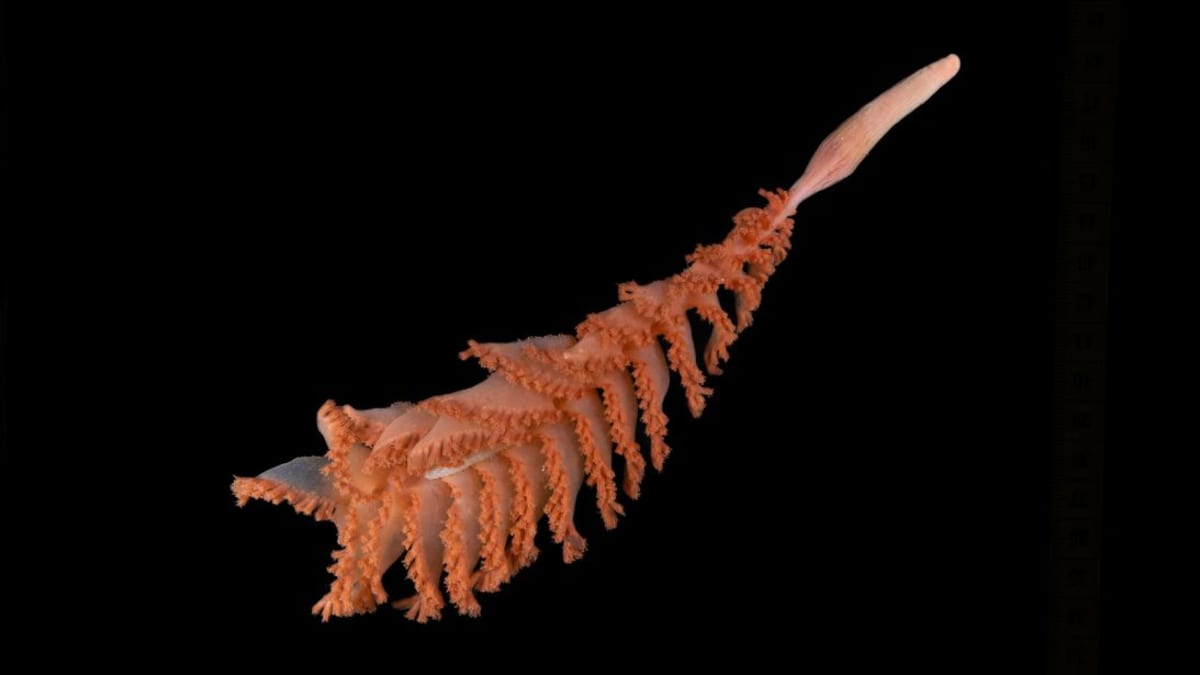
The team found a carnivorous sponge in the South Sandwich Islands at nearly 12,000 feet deep. Covered in microscopic hooks that work like velcro, this "death ball" sponge catches passing crustaceans, then wraps around and digests them whole.
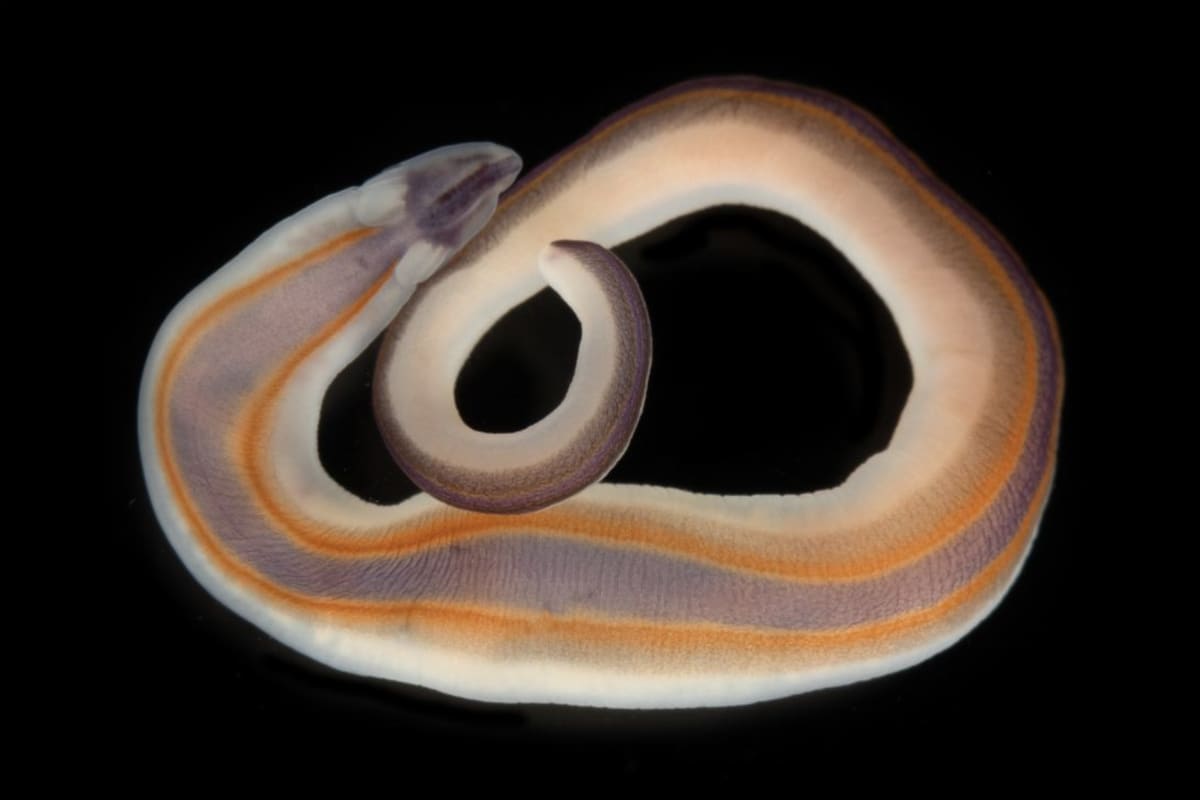
In Timor-Leste, researchers discovered a bright orange ribbon worm just an inch long. Its vivid stripes signal powerful chemical defenses that scientists are studying as potential treatments for Alzheimer's and schizophrenia.
The 1,121 new species represent a 54% jump in annual ocean discoveries. Michelle Taylor, head of science at Ocean Census, calls it "a race against time" as climate change and human activities threaten species before we can even document them.
The Ripple Effect
These discoveries are changing how we protect our oceans. Ocean Census created a new "discovered" status that lets scientists log new species immediately into an open-access database. This means policymakers can start protecting vulnerable species years faster than the traditional 13.5-year formal description process allowed.
The findings also highlight where our priorities lie. Scientists point out we spend billions searching for life on Mars while the majority of life on our own planet remains unexplored for a fraction of that cost.
Every new species discovered adds to our understanding of ocean ecosystems that provide ecological, scientific, and economic value to everyone on Earth.
These 1,121 discoveries remind us that wonder and mystery still thrive in our world's depths, waiting to be understood and protected.
More Images
Based on reporting by Google News - Scientists Discover
This story was written by BrightWire based on verified news reports.
Spread the positivity!
Share this good news with someone who needs it