Solar Cell Breakthrough After Year-Long Real-World Test
Scientists just cracked the code on why next-gen solar cells fail outdoors, bringing ultra-efficient panels closer to your rooftop. A year of testing revealed exactly what needs fixing to make these powerful cells last.
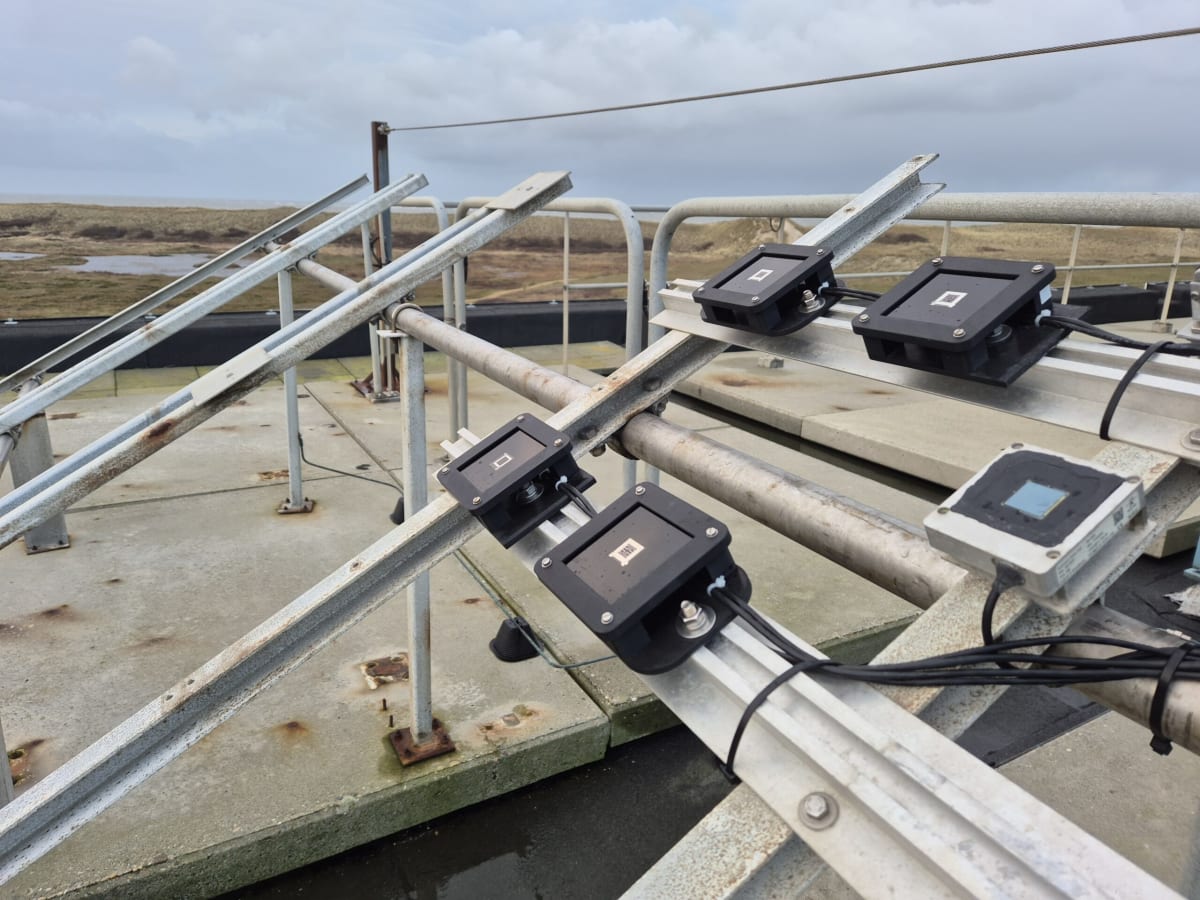
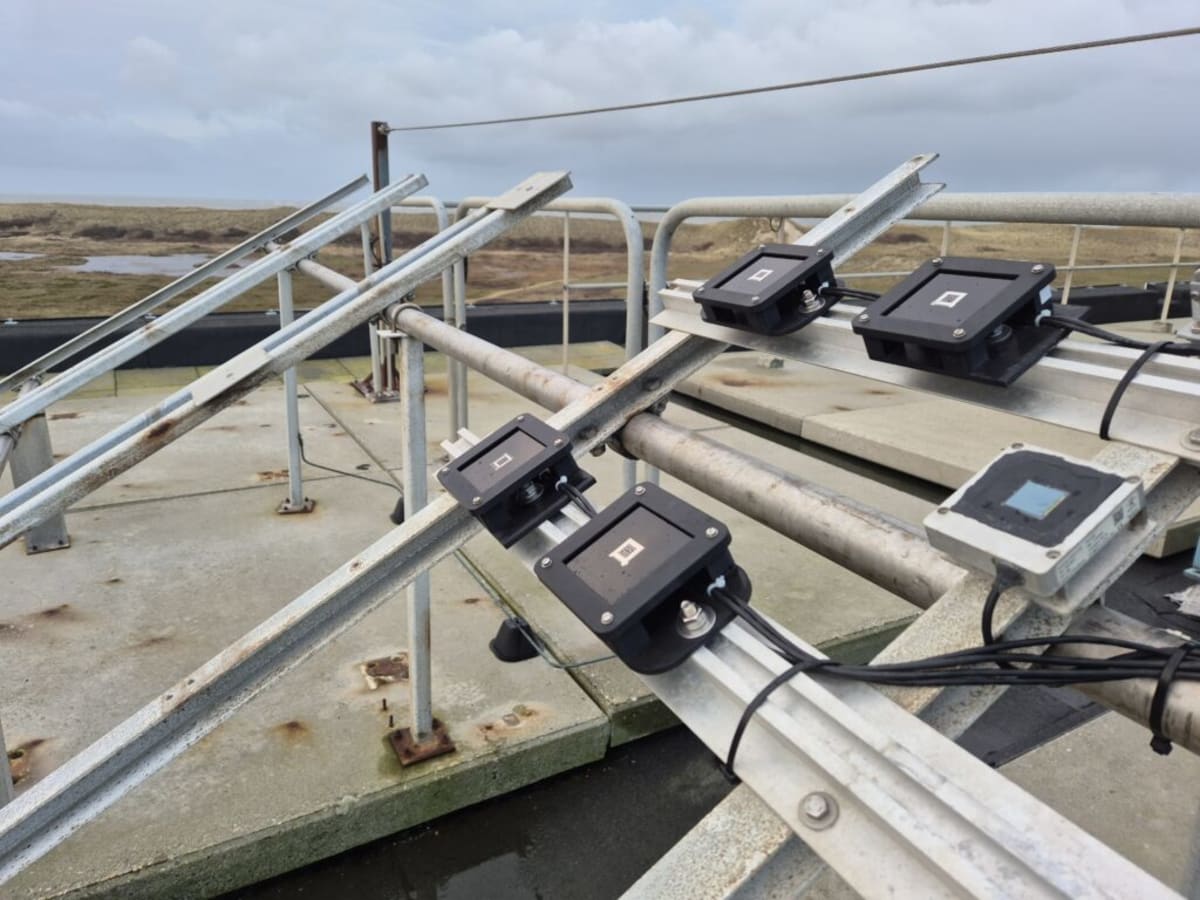
Scientists in Europe just completed a crucial experiment that brings us closer to solar panels that could revolutionize clean energy. After monitoring an advanced triple-layer solar cell outdoors for an entire year, researchers now know exactly what breaks down and how to fix it.
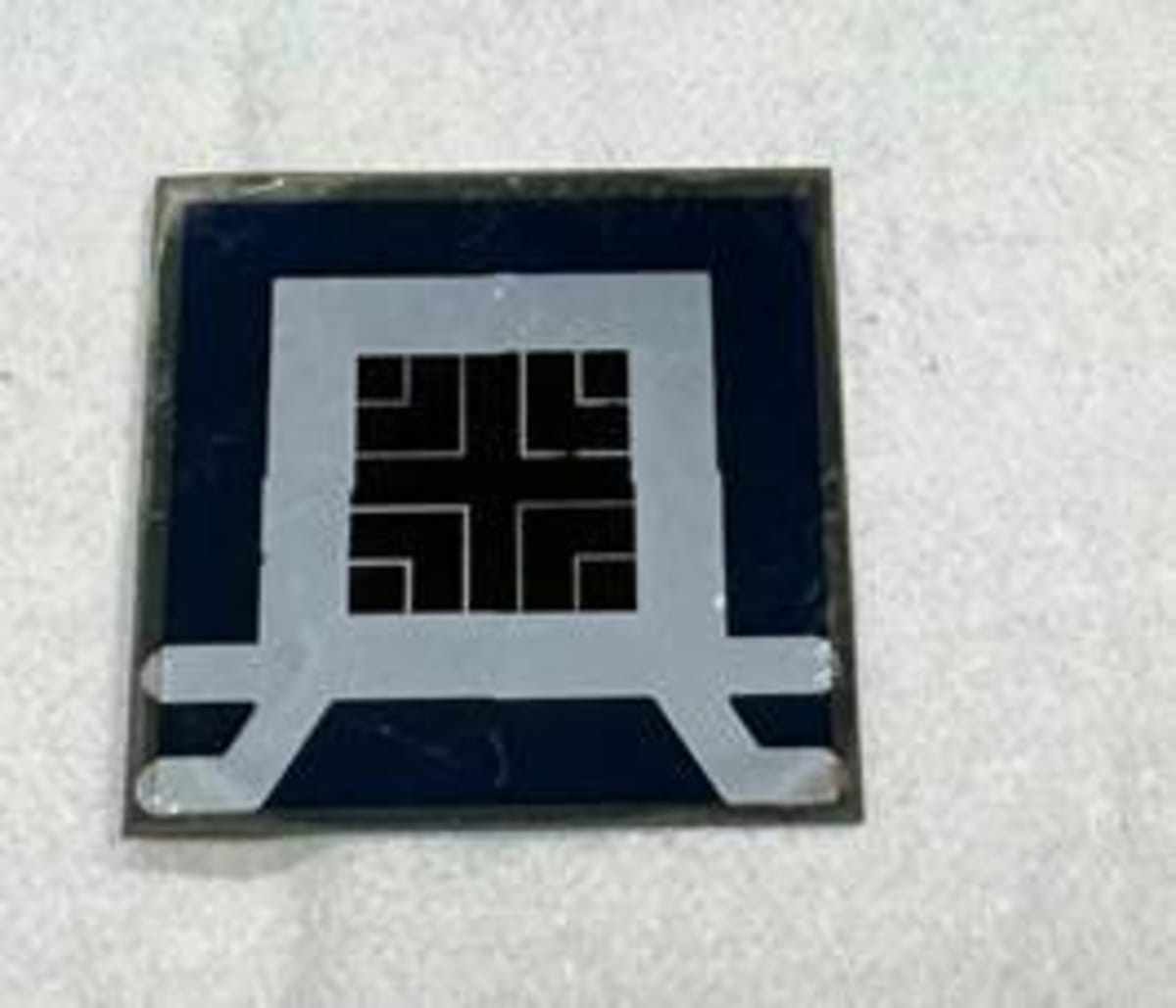
The team from the Netherlands and Germany tested a cutting-edge design combining three light-absorbing layers, including perovskite materials that have excited scientists for years. These triple-junction cells can theoretically capture far more sunlight than standard panels, but nobody knew how they'd hold up in real weather conditions.
The cells started strong at 17-18% efficiency in the Dutch sunshine. Over seven months, performance dropped to about half that original power, but the team discovered something valuable in the decline. Every failure revealed a fixable problem.
Morning sun and afternoon rays affected the panels differently at first, but that evened out quickly. The real challenges emerged later when some layers began separating and certain junctions developed weak spots. The top layer proved least stable, while the middle section developed issues at the edges.
Temperature swings and UV exposure caused the most damage in controlled tests. One UV test alone degraded cells by 65%, pointing researchers toward protective coatings and hardier materials for the next version.
Why This Inspires
This isn't a story about failure. It's about progress through precision. Most solar research happens in sterile labs under perfect conditions, but real rooftops face rain, heat, cold, and relentless sun. By deliberately exposing these advanced cells to a full year of actual weather, the scientists gathered data that laboratory tests never could.
Lead researcher Petra Manshanden says the findings already helped them design more stable next-generation devices currently under testing. Each degradation pattern they documented becomes a target for improvement. The encapsulation needs better adhesion. The top junction needs reinforcement. The transport layers need temperature resistance.
Even while degrading, these experimental cells maintained about 10% average annual efficiency outdoors. That's remarkable for such an early prototype of a technology that could eventually far surpass today's rooftop panels.
The path from laboratory breakthrough to mass production always requires this kind of patient, methodical testing. Scientists must watch their creations struggle and fail in the real world to understand what needs strengthening. This year-long experiment just accelerated that learning process dramatically.
The next batch of cells, informed by twelve months of honest feedback from Dutch weather, is already being tested with improvements targeting every weakness the team identified.
More Images


Based on reporting by PV Magazine
This story was written by BrightWire based on verified news reports.
Spread the positivity!
Share this good news with someone who needs it