Solar Cells Hit 27% Efficiency With New Laser Tech
Scientists just solved a major solar panel manufacturing problem that was blocking the path to ultra-efficient solar cells. Their breakthrough brings silicon solar technology closer than ever to its maximum possible efficiency.
A team of researchers has pushed solar cell efficiency to 27.27%, getting within striking distance of the theoretical maximum for silicon panels.
The breakthrough centers on fixing a hidden problem in manufacturing. When manufacturers use lasers to create the tiny patterns on high-efficiency solar cells, the process creates powerful shock waves that ripple through the material and damage the delicate structures on the opposite side.
Think of it like trying to carve a design on one side of a thin piece of glass without cracking the other side. The precision you need on one surface ends up destroying what you built on the other.
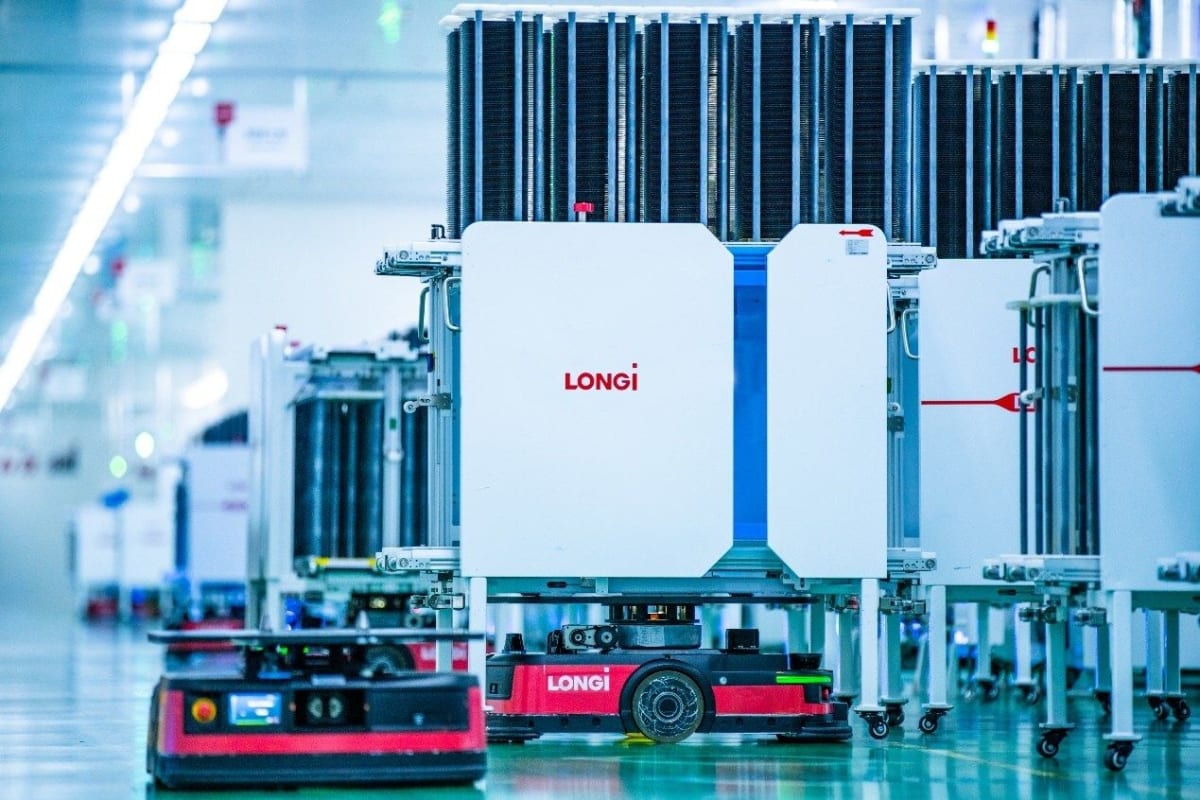
The team working with LONGi solar cells discovered that the damage comes from an "explosive removal" process. The laser heats the material so quickly that it vaporizes and blows off chunks of the surface, sending shock waves straight through the silicon wafer to the front of the cell.
Their solution was surprisingly elegant. Instead of changing the laser process, they redesigned the front surface texture with rounded pyramid shapes that act like tiny shock absorbers. These submicron structures disperse the mechanical energy before it can cause damage.
The researchers confirmed through microscopic studies that their new design keeps stress levels below the breaking point of silicon. Traditional sharp pyramid textures cracked under the pressure, but the rounded tops stayed intact.
This matters because solar efficiency has been climbing steadily for years. Basic aluminum solar cells topped out around 19% efficiency. Newer designs reached 23%, then 26%. Each percentage point represents real progress toward cheaper, more powerful renewable energy.
The technology behind this breakthrough, called heterojunction back contact cells, represents one of the most promising paths to reaching 28% efficiency. The theoretical maximum for silicon solar cells sits at about 29.4%, so every gain matters.
The Ripple Effect
This advance solves a critical manufacturing puzzle that was blocking commercial production of the most efficient solar cell designs. By making ultra-high efficiency cells practical to manufacture at scale, the breakthrough could accelerate the adoption of more powerful solar panels worldwide.
The approach also shows how sometimes the best solution isn't eliminating a problem but learning to work with it. Instead of trying to stop the shock waves, the researchers found a way to absorb them.
The work provides a clear pathway for solar manufacturers to produce next-generation panels that capture more energy from the same amount of sunlight, bringing the clean energy transition one step closer to reality.
More Images



Based on reporting by Google News - Renewable Energy Breakthrough
This story was written by BrightWire based on verified news reports.
Spread the positivity!
Share this good news with someone who needs it