Solar Cells Now Repair Themselves Using Sunlight
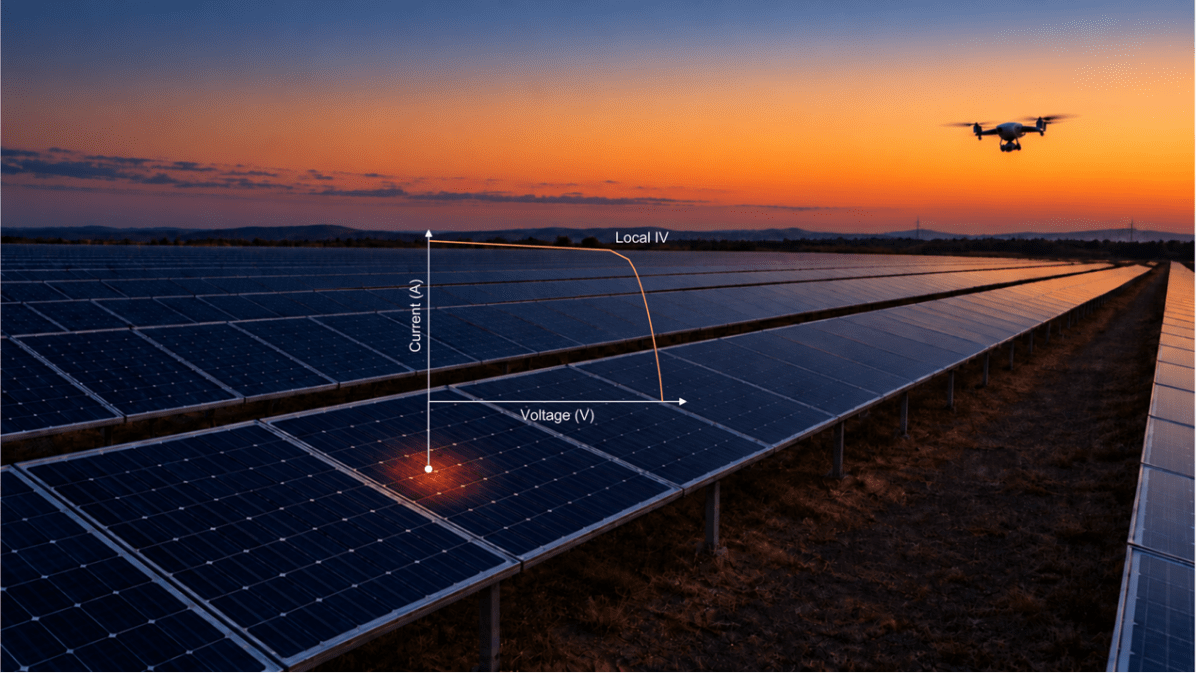
Scientists can now watch solar panels heal their own damage in real time, unlocking a breakthrough that could make clean energy even more reliable. This discovery reveals that sunlight doesn't just power our homes—it actually fixes the panels that capture it.
Engineers at UNSW Sydney have cracked one of solar energy's best-kept secrets: how panels naturally repair damage from ultraviolet light using ordinary sunlight.
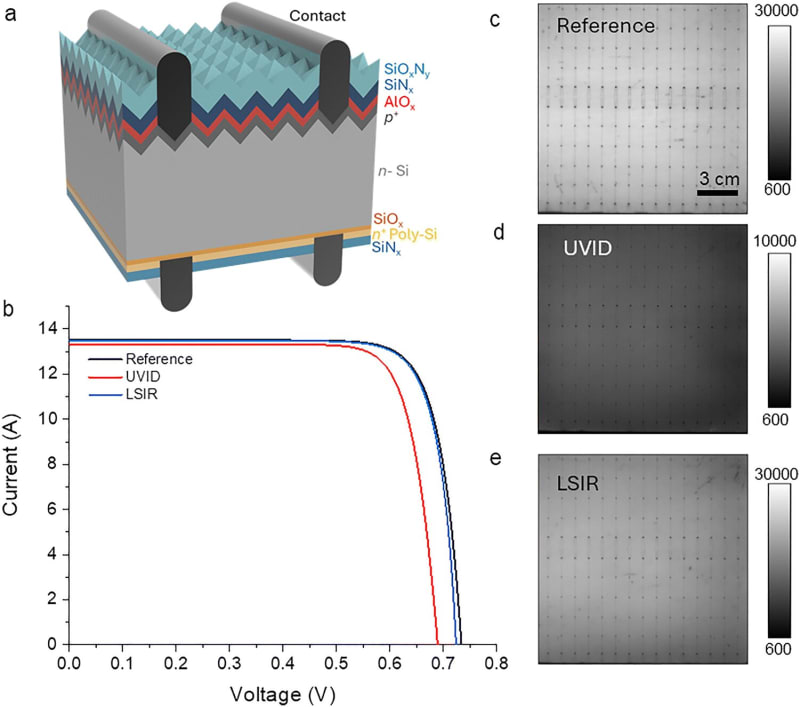
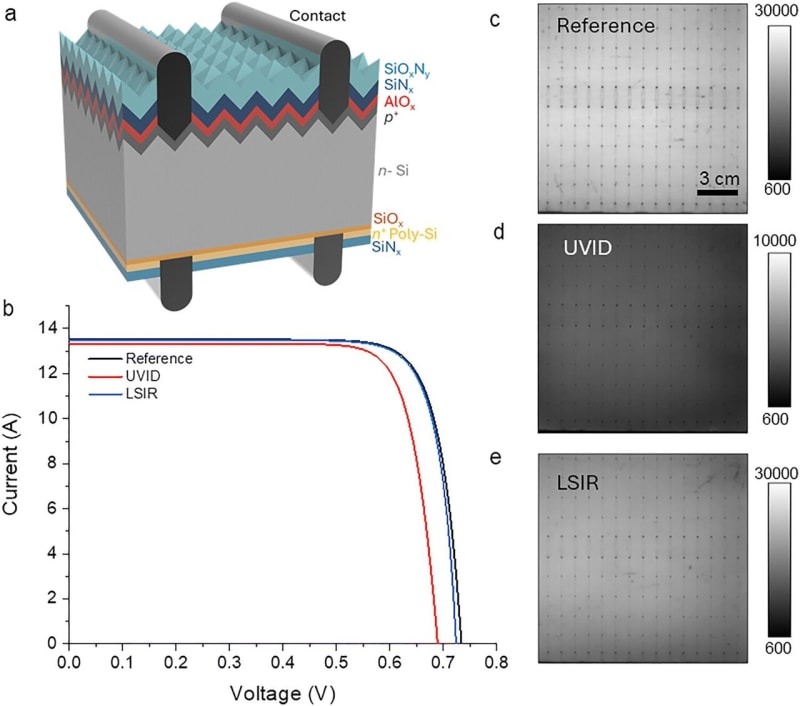
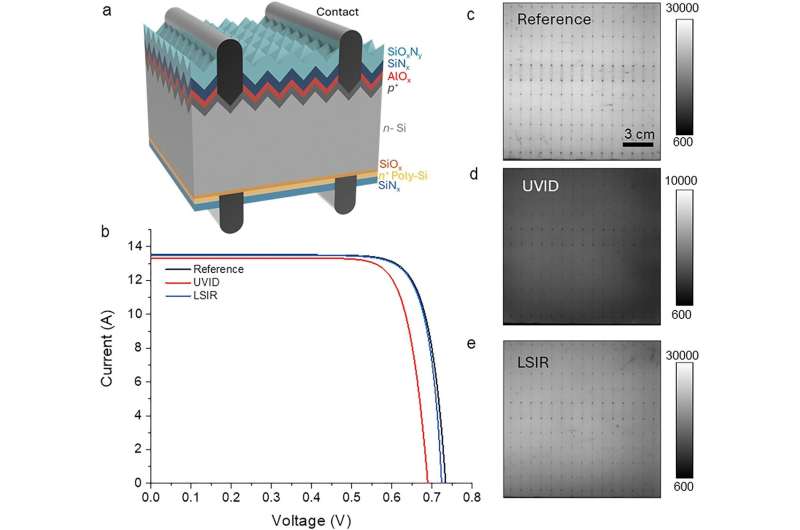
For years, experts knew that solar cells lost up to 10% of their efficiency after prolonged UV exposure during testing. They also noticed the cells mysteriously recovered some performance when exposed to normal sunlight, but nobody understood why.
Now, researchers led by Professor Xiaojing Hao have developed a monitoring technique that lets them watch the healing process happen at the molecular level. Using ultraviolet Raman spectroscopy, they can observe chemical changes inside working solar cells without damaging them.
Dr. Ziheng Liu explains the breakthrough simply: "This technique works a bit like a camera. Instead of just measuring how much power the cell produces, we can directly see how the material itself is changing in real time."
The team discovered that UV light scrambles chemical bonds involving hydrogen, silicon, and boron atoms near the cell surface, weakening performance. When exposed to normal visible light, the atoms migrate back to their original positions and broken bonds repair themselves.
"The material itself is repairing at the atomic level," Dr. Liu said. This isn't just an electrical quirk—it's genuine molecular healing.
The Ripple Effect
This discovery reaches far beyond the laboratory. Current industry tests expose solar panels to intense UV radiation to simulate years of outdoor use, but these tests might be dramatically overestimating permanent damage.
If degradation naturally reverses under normal sunlight, manufacturers have been using standards that don't reflect real-world conditions. The new monitoring method can distinguish between temporary changes and true long-term damage in seconds, not weeks.
Professor Hao notes the technique "can be used directly on the production line to quickly check how well solar cells resist UV damage, making it useful for future quality control during manufacturing."
For homeowners and businesses investing in solar energy, this means more accurate predictions about panel lifespan and performance. For the industry, it means better testing standards and potentially longer-lasting, more efficient solar technology.
As the world races toward renewable energy, understanding how solar panels maintain themselves naturally could accelerate the clean energy transition we desperately need.
More Images
Based on reporting by Phys.org - Technology
This story was written by BrightWire based on verified news reports.
Spread the positivity!
Share this good news with someone who needs it