Solar Cold Storage Helps India Farmers Save Banana Crops
Farmers in India's Thiruvaiyaru region got a game-changing solar-powered cold storage facility that helps them preserve and ripen 100 tonnes of bananas without relying on expensive grid electricity. The innovation tackles crop waste while opening new opportunities for banana and betel leaf growers.
In a farming community known more for its annual music festival than modern agriculture, a solar-powered solution is helping farmers turn potential waste into profit.
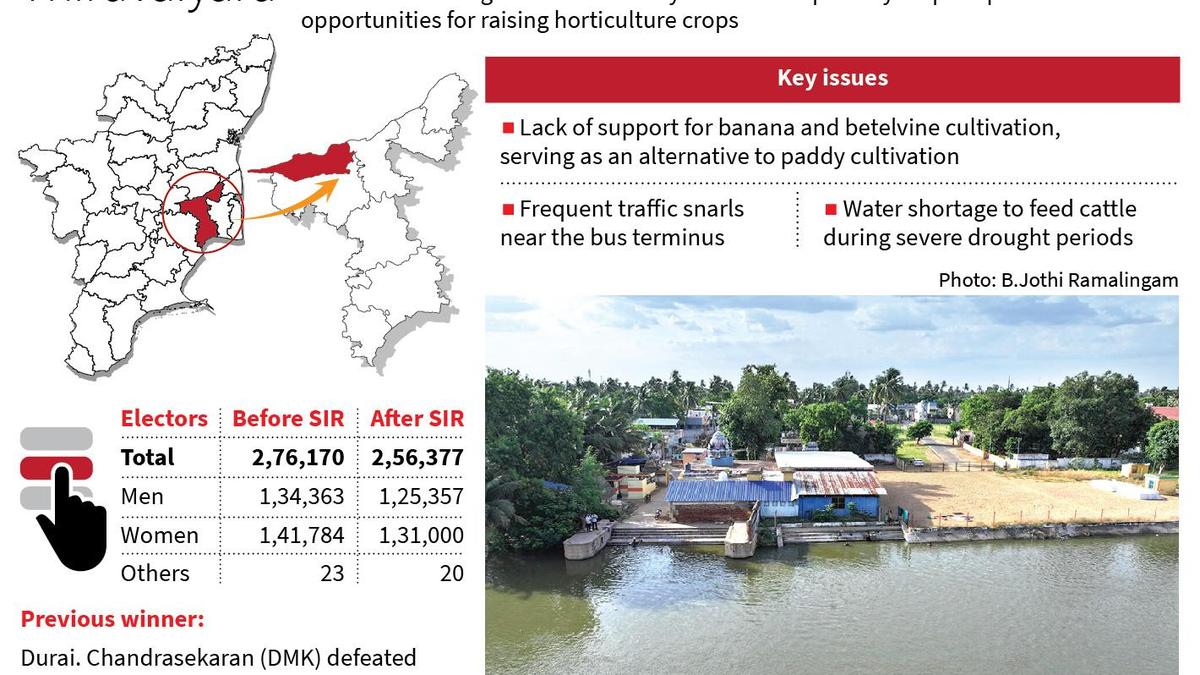
The town of Thiruvaiyaru in Tamil Nadu has long been recognized for its rich cultural heritage and traditional paddy farming. But local farmers knew they had untapped potential for growing bananas and betel leaves, two crops that could diversify their income beyond rice and cereals.
The challenge was storage. Without proper facilities to preserve and ripen bananas at the right pace, farmers risked losing entire harvests to spoilage or were forced to sell at rock-bottom prices.
In 2017, two national institutes joined forces to solve this problem. The National Institute of Technology in Tiruchi partnered with the National Institute of Food Technology, Entrepreneurship and Management in Thanjavur to build something the region had never seen before.
They constructed a 100-tonne capacity cold storage and ripening chamber in Mannarsamudram, near Thiruvaiyaru. The facility runs primarily on solar power, cutting farmers' dependence on unreliable and costly grid electricity.
The timing couldn't be better. Farmers in this agrarian belt had been eager to expand banana cultivation but lacked the infrastructure to make it economically viable.
The Ripple Effect
This single facility represents more than just a place to store fruit. It gives farmers the power to control when their bananas reach market, allowing them to wait for better prices instead of accepting whatever buyers offer during harvest gluts.
The solar component also addresses India's broader energy challenges. By reducing dependence on the electrical grid, the facility operates more reliably during power outages common in rural areas while cutting carbon emissions.
Other farming communities facing similar challenges now have a working model to replicate. The collaboration between technical institutes and agricultural communities shows how academic expertise can translate directly into solutions that improve farmers' lives.
For a region steeped in tradition, this blend of renewable energy and practical farming needs points toward a future where rural communities can preserve their agricultural roots while embracing sustainable innovation.
Based on reporting by The Hindu
This story was written by BrightWire based on verified news reports.
Spread the positivity!
Share this good news with someone who needs it
%2Fhttps%3A%2F%2Ftf-cmsv2-smithsonianmag-media.s3.amazonaws.com%2Ffiler_public%2Fe1%2Fb6%2Fe1b6d8e2-2651-40d7-8c2d-205a79804a5d%2F1d4d8608-5703-44e4-9ce8-952b7bc9ee60.jpg)