Solar Panel Breaks 65-Year Physics Limit at 34.82%
A Chinese company just shattered a theoretical efficiency ceiling that has limited solar technology since 1961, opening the door to dramatically more powerful panels. The breakthrough uses manufacturing tech already running at massive scale.
JinkoSolar announced this week that its new solar cell converts sunlight to electricity at 34.82% efficiency, breaking through a physics barrier that scientists calculated 65 years ago as the maximum any single-layer silicon panel could ever achieve.
The result, certified by the Chinese Academy of Sciences, means solar technology has officially entered new territory. For over six decades, the Shockley-Queisser limit capped silicon solar cells at about 33.7% efficiency because any single material can only capture a narrow slice of the sun's spectrum.
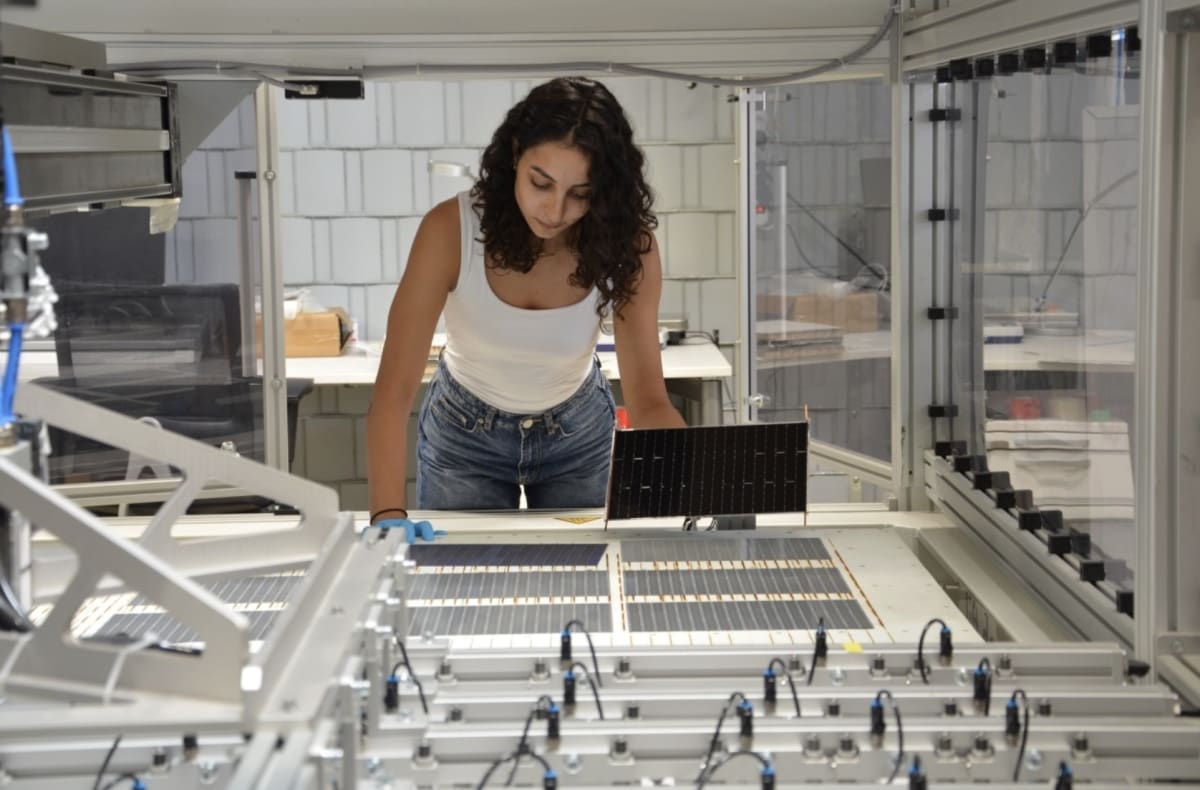
JinkoSolar solved this by stacking two different materials. The top layer catches high-energy blue light while the bottom silicon layer grabs lower-energy infrared photons that would normally pass right through.
This is the company's 33rd world record in solar efficiency, beating its own December 2025 record of 34.76%. But the number itself matters less than how they got there.
The breakthrough relies on four innovations that all target the tricky boundary where the two cell layers meet. JinkoSolar developed better ways to prevent energy loss at contact points, control how the top layer crystallizes during manufacturing, and route incoming sunlight to the right absorber layer.
They built this record-breaking cell in collaboration with Soochow University using something called TOPCon technology. That detail turns out to be crucial.
The Ripple Effect
Most competing super-efficient solar cells require completely new factory equipment. JinkoSolar's design works with TOPCon manufacturing lines that already produce panels at gigawatt scale across China and beyond.
That means the path from laboratory record to rooftops and solar farms could be much shorter. While perovskite-silicon tandem cells still face unsolved challenges around long-term durability, this breakthrough removes a major obstacle: the need to build entirely new factories.
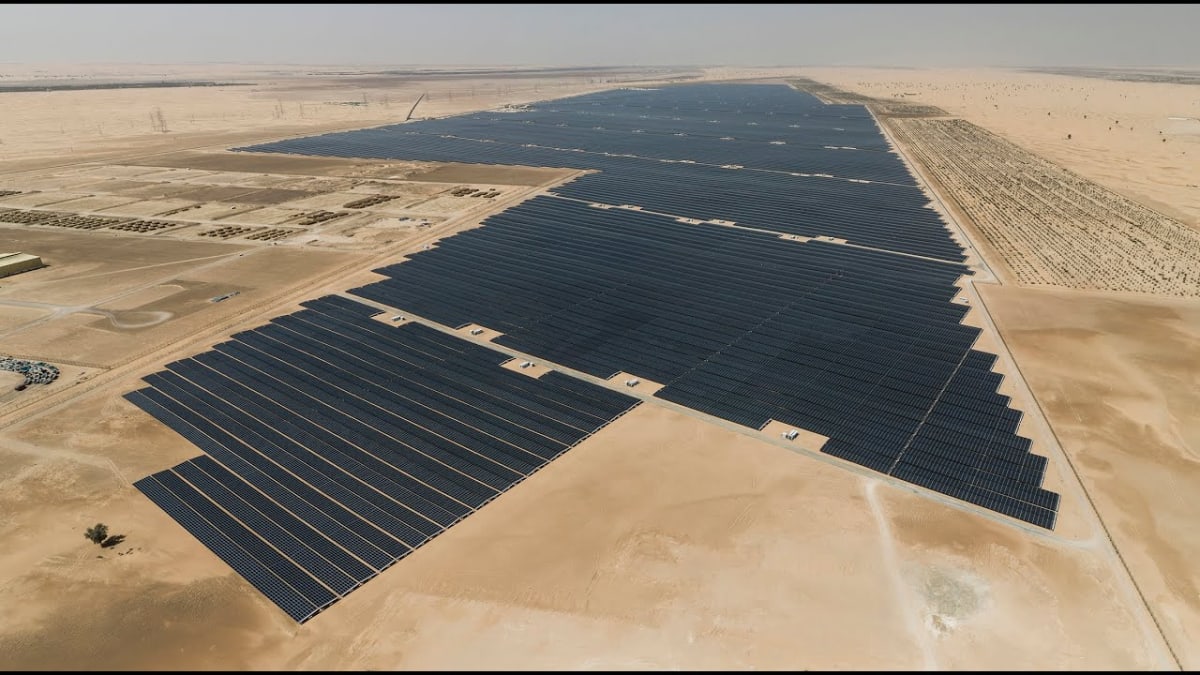
The theoretical maximum for this two-layer design sits around 43%, meaning today's record could improve by another eight percentage points. Even at current levels, these cells would generate significantly more power from the same roof space or desert acreage compared to today's best commercial panels.
For homeowners, utilities, and countries racing to expand clean energy, higher efficiency means fewer panels needed to hit the same power targets. That translates to lower installation costs, less land use, and faster deployment timelines.
The 65-year ceiling just became a floor.
More Images



Based on reporting by Google News - Solar Power Record
This story was written by BrightWire based on verified news reports.
Spread the positivity!
Share this good news with someone who needs it