New Solar Panels Drop Space Satellite Costs to $5 Per Watt
Scientists just made powering satellites 10 times cheaper using the same solar technology that sits on rooftops. The breakthrough could unlock thousands of new space missions that were too expensive before.
Powering satellites in space just got radically cheaper, thanks to technology borrowed from your neighbor's roof.
German researchers at Fraunhofer Institute teamed up with Colorado-based Source Energy to create silicon solar panels specifically designed for space. The panels cost less than $5 per watt to produce and can be delivered in under six months.
That's a game changer. Traditional space solar panels use exotic semiconductors that work great but cost a fortune and take forever to manufacture. Those high costs have blocked countless satellite companies from launching, especially smaller missions in low Earth orbit.
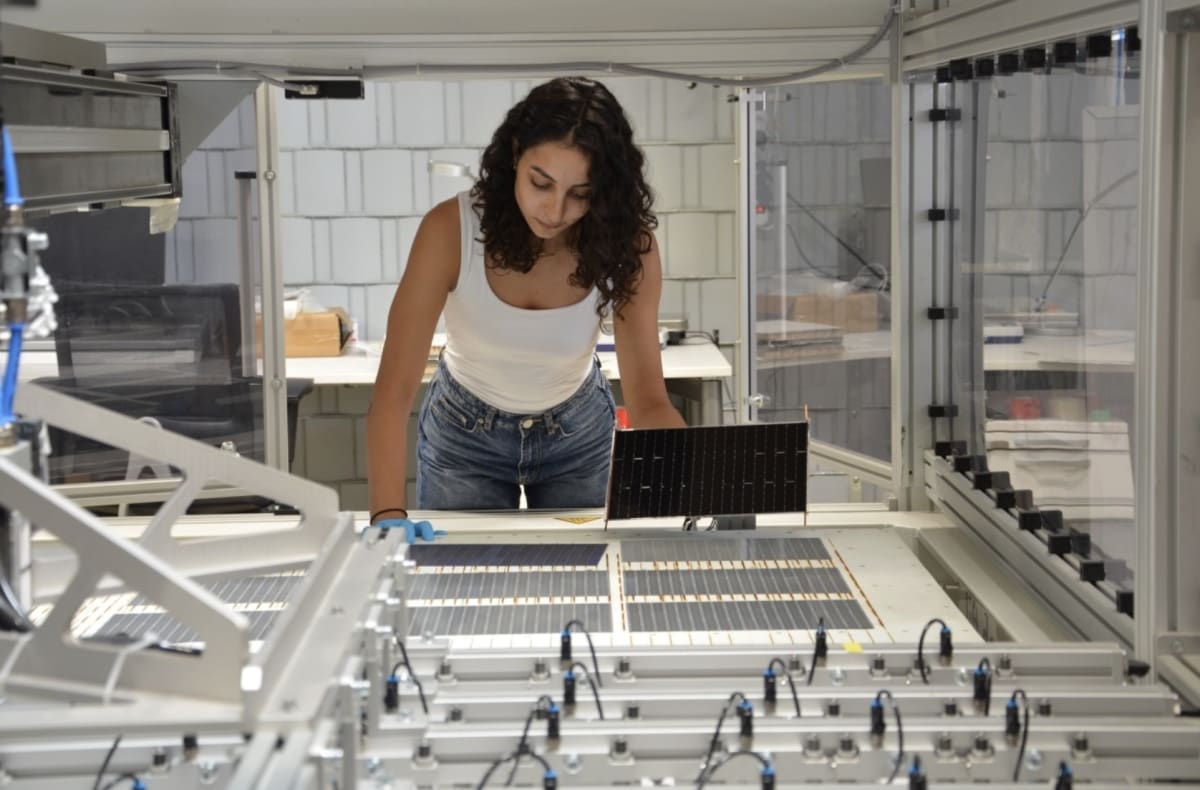
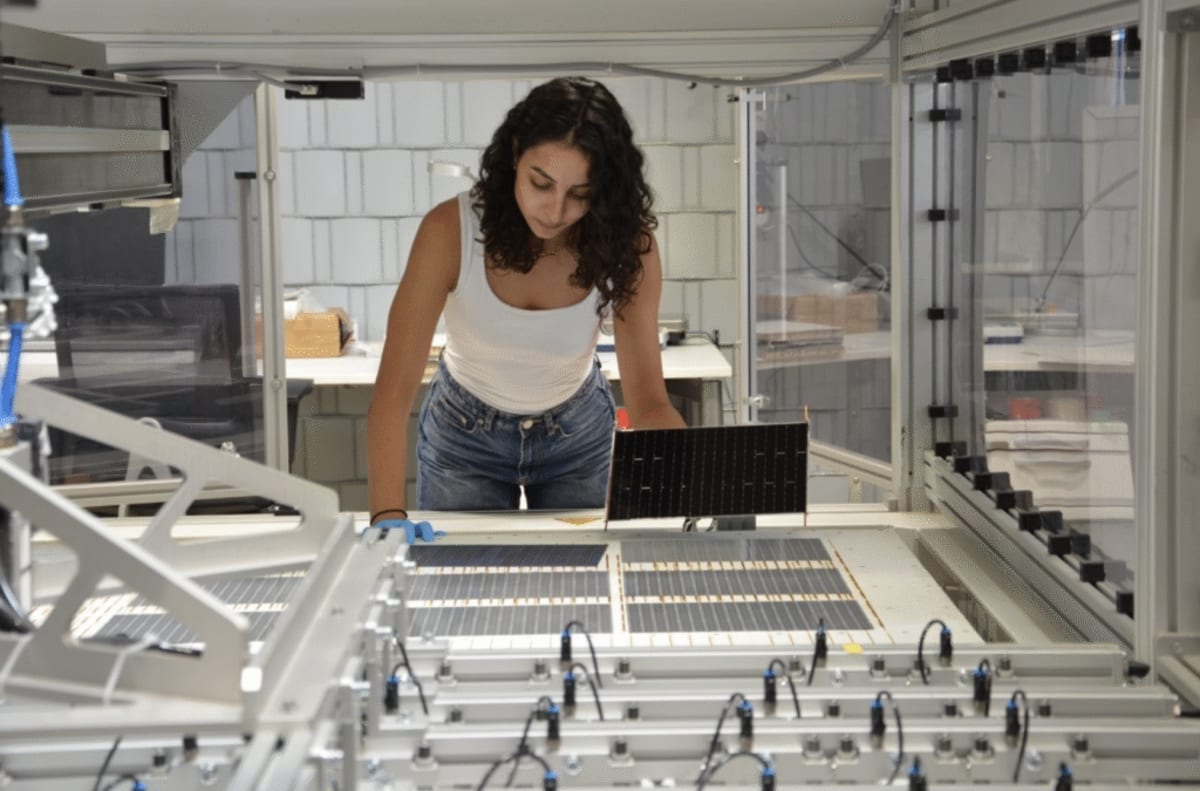
The new panels use regular silicon solar cells, the same kind powering homes and businesses worldwide. The secret is how they're assembled: cells are cut into strips and overlapped like roof shingles, then glued together with conductive adhesive at low temperatures. A German company called M10 Solar Equipment designed machines that build the panels automatically.
This shingle design does something clever in space. If a micrometeor or piece of debris punches through part of the panel, electricity automatically routes around the damage. The rest of the panel keeps working. The layout also flexes to handle wild temperature swings in orbit, from blazing sun to frozen shadow.
The prototypes measure about 13 inches by 8 inches and weigh just 64 grams. Despite their small size, they pump out over 15 watts of power, with the best ones hitting 16 watts. That translates to 252 watts per kilogram, matching the performance of pricier space-grade silicon panels.
The Ripple Effect
Making satellites cheaper to power opens doors across the industry. Communication networks can expand to cover remote areas. Climate scientists can launch more Earth observation satellites. Small companies and universities that couldn't afford space missions can now participate.
Source Energy has already installed the automated production equipment at their Colorado factory as of June. The company can now manufacture panels faster and cheaper than ever before possible with traditional space solar technology.
The panels passed grueling space qualification tests, including extreme temperature cycling that mimics the harsh orbital environment. Testing shows they'll retain about 76% of their power after seven years in space, meeting industry standards for commercial satellites.
Achim Kraft, who leads photovoltaic research at Fraunhofer ISE, emphasized the bigger picture. Technologies perfected for Earth applications are now making space more accessible. The production line can even work with advanced cell types like PERC and heterojunction cells, with potential to incorporate next-generation perovskite cells in the future.
Thousands of satellites launching in coming years will need affordable, reliable power. This breakthrough means more of those missions can actually happen.
More Images


Based on reporting by PV Magazine
This story was written by BrightWire based on verified news reports.
Spread the positivity!
Share this good news with someone who needs it