Solar Panel Hits 25% Efficiency at 680 Watts
A Chinese manufacturer just unveiled a solar panel that converts sunlight into electricity more efficiently than almost anything on the market. The breakthrough could make clean energy cheaper and more reliable for businesses and power plants worldwide.
Solar panels just got a major upgrade that could accelerate the world's shift to clean energy.
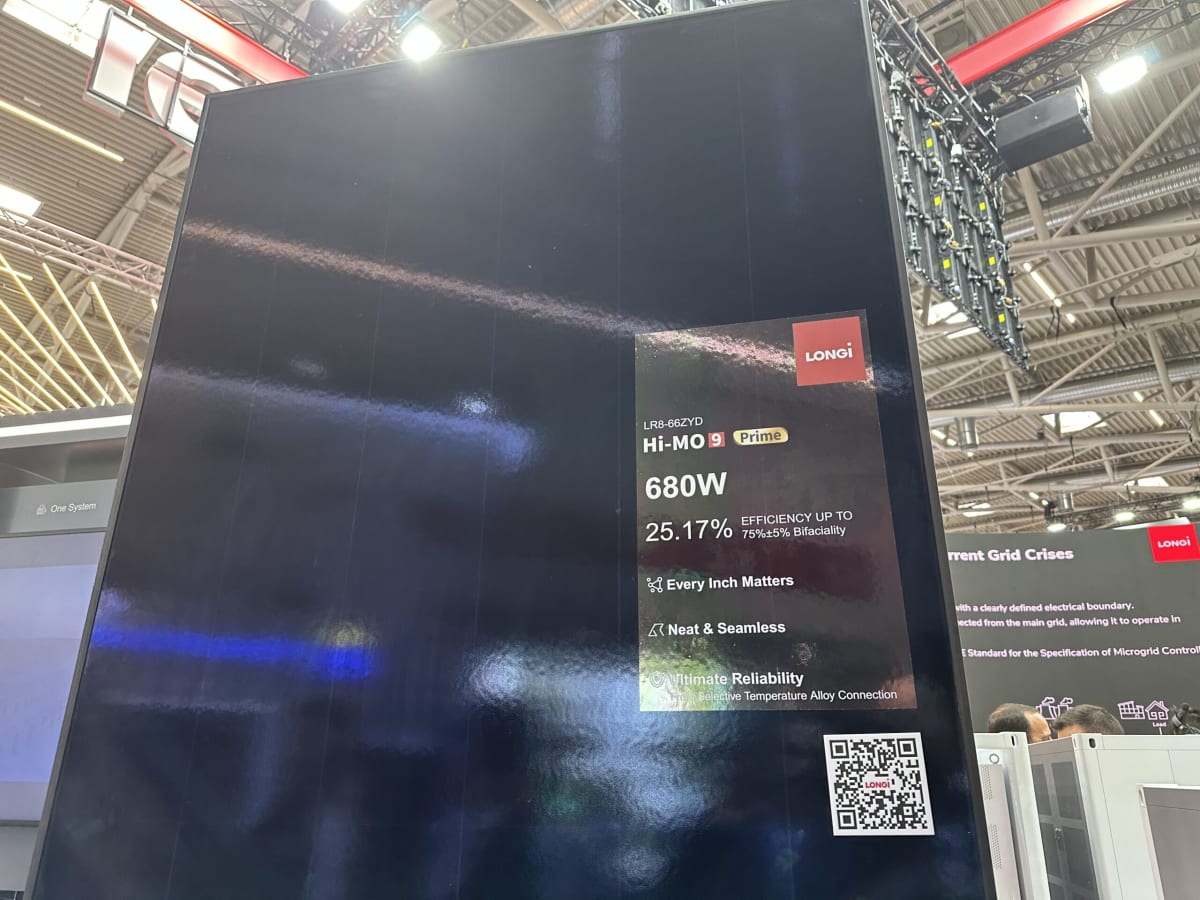
Longi, a Chinese solar manufacturer, launched its Hi-MO 9 Prime panel this week at a clean energy trade show in Munich, Germany. The new panel generates 680 watts of power and converts 25.17% of sunlight into electricity, putting it near the top of commercially available solar technology.
The secret lies in a redesigned back contact architecture that eliminates gaps between solar cells. Product manager Miki Risita explains the panels maximize every millimeter of surface area by stacking cells without the mechanical stress that typically degrades performance over time.
The company also tucked the electrical busbars (the wires that carry current) out of sight on the back of the panel. This seemingly small design change frees up more surface area to capture sunlight, boosting overall efficiency.
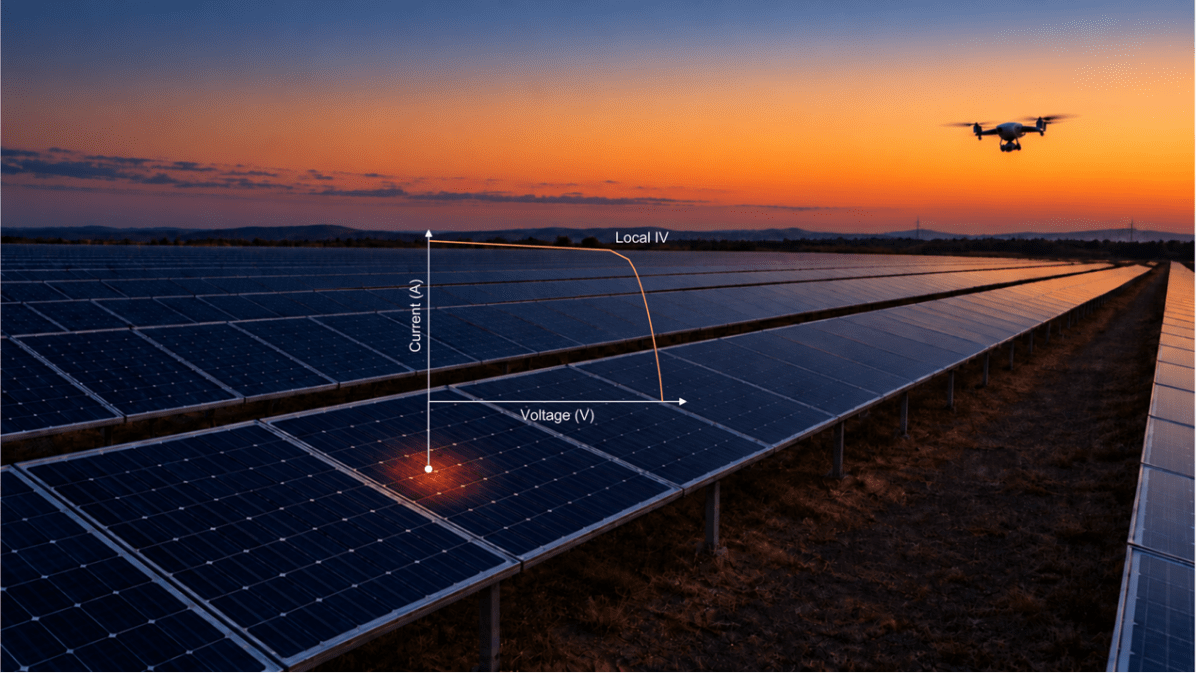
But the real game changer might be how these panels handle shade. Traditional solar panels lose massive amounts of power when even a small portion gets blocked by dust, leaves, or shadows from nearby equipment.
The Hi-MO 9 Prime's parallel cell structure cuts power loss by more than 70% compared to conventional panels when a single cell gets shaded. For solar farms where panels cast shadows on each other throughout the day, this translates to steadier, more predictable energy output and better revenue.
The panels are built tough too. They can withstand hailstones traveling at 51 miles per hour and handle extreme wind and snow loads, making them suitable for challenging climates and large installations.
The Ripple Effect
Higher efficiency solar panels mean more clean energy from the same amount of space. Solar farms can generate more electricity without expanding their footprint, making renewable energy more economically competitive with fossil fuels.
The improved shade tolerance is particularly significant for urban and commercial installations where buildings, trees, and infrastructure create constant partial shading challenges. What once meant significant power loss now becomes a manageable inconvenience.
Commercial production starts later this year, with initial orders already secured for delivery in late 2026. Full production ramps up in early 2027, bringing this technology to solar projects around the globe.
Every efficiency gain in solar technology accelerates the timeline for affordable, reliable clean energy everywhere.
More Images


Based on reporting by PV Magazine
This story was written by BrightWire based on verified news reports.
Spread the positivity!
Share this good news with someone who needs it