Solar Panels Make Cattle Feed More Nutritious, Study Finds
Researchers discovered that grass growing under solar panels can be even more nutritious for dairy cattle than crops in regular pastures. This breakthrough could help farmers produce clean energy and better feed at the same time.
Scientists just found a surprising win for farmers trying to go green: solar panels might actually improve the quality of cattle feed.
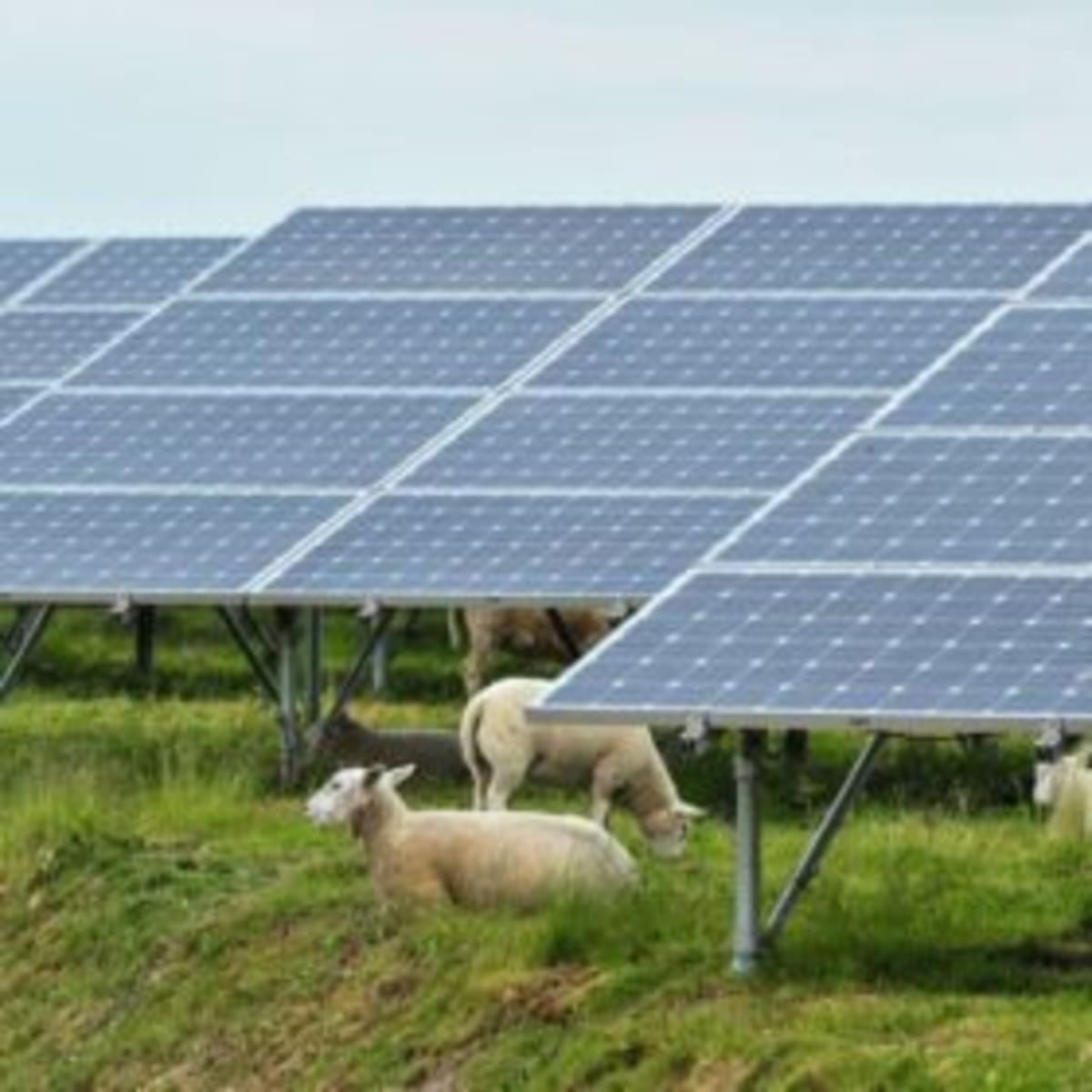
A team from the University of Minnesota studied how grass and legumes grow underneath solar arrays at dairy farms. They wanted to know if combining solar power with grazing land would help or hurt the crops that feed dairy cows.
The researchers planted ten different crops beneath two solar installations and compared them to plants growing in regular pastures. They tested alfalfa, red clover, orchardgrass, and seven other common cattle feeds from May 2022 through September 2023.
Here's where it gets interesting. The grass growing under certain solar panels had 23.8% protein compared to just 18.2% in regular pastures. The shaded crops were also easier for cows to digest, scoring 54.4% on digestibility tests versus 49.1% for regular pasture grass.
"We didn't really know what to expect," said lead researcher Bradley Heins. His team found that orchardgrass and meadow fescue produced excellent yields even in the shade of solar panels.
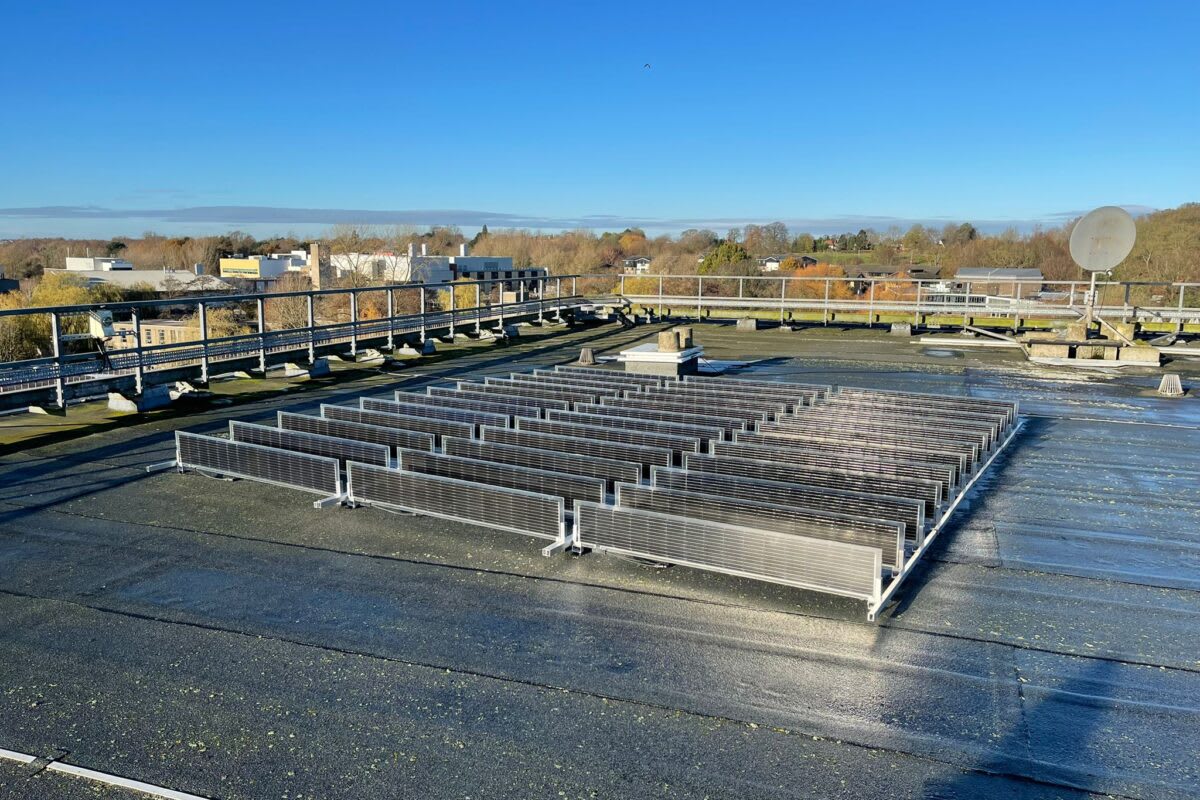
The study tested two different solar setups. A 30-kilowatt site with angled panels produced nearly the same amount of feed as regular pastures. A 50-kilowatt site with flat panels and reflectors grew less total feed but packed more nutrition into every bite.
The Ripple Effect
This research solves a puzzle that's been holding back renewable energy on farms. Farmers have worried that solar panels would waste valuable grazing land, forcing them to choose between clean power and productive pastures.
Now they don't have to pick. The Minnesota team proved that the same acre can produce electricity and high-quality cattle feed simultaneously. Orchardgrass and meadow fescue thrived under the panels, giving farmers a roadmap for what to plant.
Heins and his team are already expanding their work. This summer they'll test vertical solar panels and study how different designs affect farm economics. They also plan to watch how actual grazing cattle behave around the panels and whether the enhanced nutrition improves milk production.
The findings give solar developers and dairy farmers clear guidance on designing systems that work for both energy and agriculture. As more farms look for ways to cut emissions and energy costs, this dual-purpose approach could spread across rural America.
Clean energy that makes better food? That's innovation worth celebrating.
More Images
Based on reporting by PV Magazine
This story was written by BrightWire based on verified news reports.
Spread the positivity!
Share this good news with someone who needs it