South Africa Cuts Lab-Grown Meat Costs With New Discovery
South African scientists just made cultivated meat cheaper to produce, bringing the country closer to sustainable food innovation. The breakthrough could help local companies create alternative proteins without expensive imports.
South Africa just took a major step toward making lab-grown meat affordable and accessible.
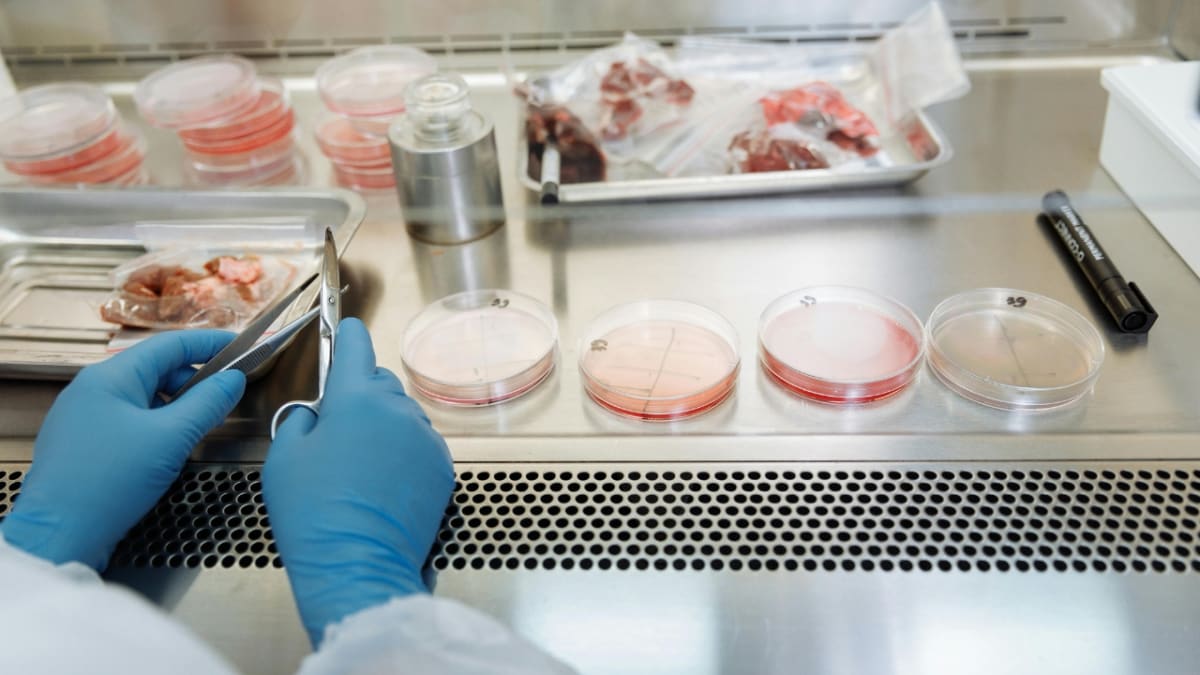
The Council for Scientific and Industrial Research (CSIR) successfully scaled up production of a critical growth factor needed to create cultivated meat. By producing this ingredient locally, South African biotech companies can now develop alternative proteins without relying on costly imports from abroad.
Lab-grown meat offers a glimpse into a different food future. Instead of raising and slaughtering animals, scientists grow real meat from animal cells in controlled lab environments. The process uses significantly less land and water than traditional livestock farming, potentially easing pressure on agricultural systems already strained by climate change and growing populations.
South Africa now joins a small group of nations advancing this technology. The CSIR breakthrough demonstrates the country's growing expertise in advanced biotechnology, a field that could reshape how the world produces food.
A CSIR researcher called the milestone an important step in building local capacity and supporting food sector innovation. Local biotech partners agree that domestic production of key ingredients marks real progress toward making cultivated meat economically viable.
The Ripple Effect
This discovery reaches beyond South African borders. As more countries develop local cultivated meat capabilities, the technology becomes less dependent on a handful of international suppliers. That competition could drive down costs globally, making sustainable protein accessible to more people.
The breakthrough also positions South Africa as a leader in African food innovation. Other nations on the continent facing food security challenges could follow similar paths, developing their own biotech solutions rather than waiting for imported technology.
For South African researchers and entrepreneurs, the advance opens doors. Local startups can now experiment with cultivated meat production without prohibitive import costs holding them back. That means more innovation, more jobs, and more solutions emerging from African labs.
Public curiosity about lab-grown meat continues growing alongside the science. Some people see cultivated protein as essential for feeding a warming planet sustainably. Others remain skeptical about taste, safety, and whether eating lab-grown meat feels natural.
Those questions matter, and they deserve honest exploration. But this breakthrough proves the technology itself is advancing rapidly. What seemed like distant science fiction just years ago is becoming practical science today.
The path from laboratory achievement to grocery store shelves still stretches ahead. Regulatory approvals, production scaling, consumer education, and countless other hurdles remain. Singapore has already approved lab-grown meat for sale, showing the pathway exists.
For now, South Africa's scientists are focused on making the science work and the economics pencil out. Every cost reduction and every production improvement brings cultivated meat closer to reality for everyday people.
The future of food is being written in South African labs today.
Based on reporting by Regional: south africa breakthrough (ZA)
This story was written by BrightWire based on verified news reports.
Spread the positivity!
Share this good news with someone who needs it