South Africa Factory Slashes Carbon Emissions by 40%
A major adhesive manufacturing plant in South Africa has cut its carbon footprint by 40% through renewable energy upgrades. The Henkel facility in Alrode shows how industrial sites can make real climate progress.
A factory outside Johannesburg just proved that heavy industry can fight climate change without shutting down.
Henkel's adhesive manufacturing plant in Alrode, South Africa has slashed its carbon emissions by 40% over the past two years. The facility supplies glues and sealants across Africa and the Middle East.
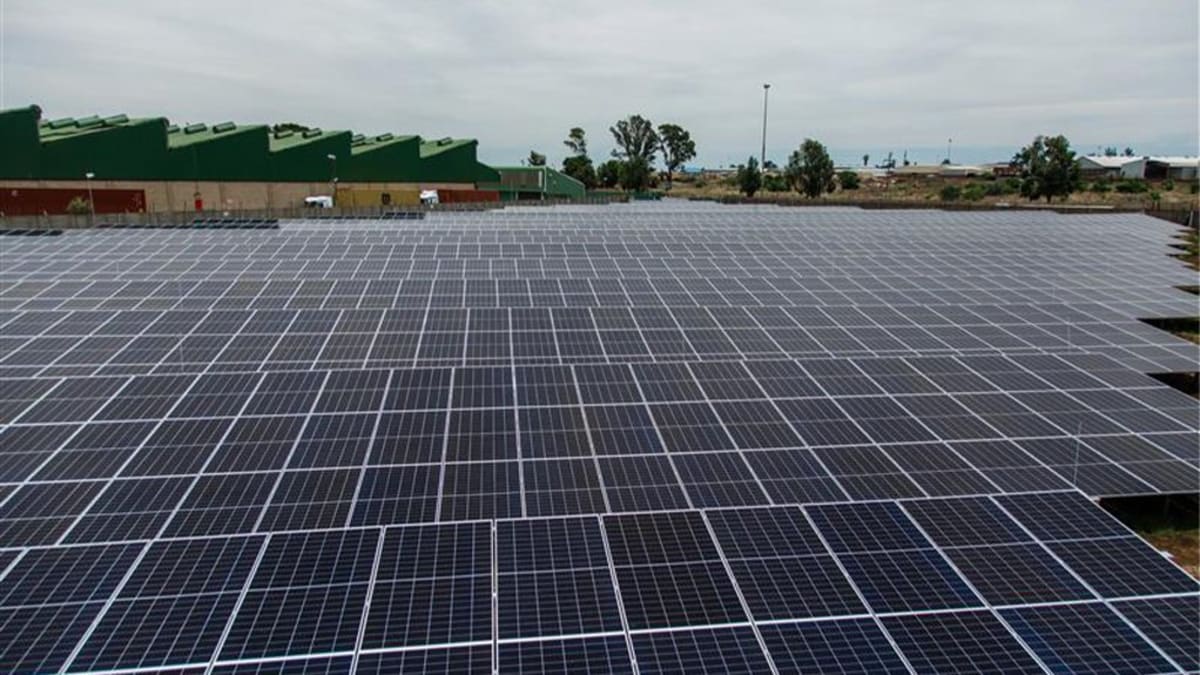
Plant manager Thelma Mamatlepa led the transformation by installing solar panels across the factory roof and switching to energy-efficient equipment. The changes cut the plant's annual emissions by thousands of tons while keeping production steady.
"We wanted to show that manufacturing and sustainability aren't opposites," Mamatlepa said. The plant now runs on 60% renewable energy during daylight hours.
The facility upgraded its heating systems and replaced outdated machinery that wasted power. Workers received training on energy conservation, turning everyday efficiency into a team effort.
Mehmet Yilmaz, who oversees operations across the region, plans to roll out similar upgrades at other Henkel sites. The Alrode success story becomes a blueprint for industrial climate action across emerging markets.
The Ripple Effect
The factory's changes extend beyond its walls. Local suppliers adopted similar energy practices to meet Henkel's sustainability standards, spreading efficiency through the supply chain.
The plant now serves as a training site where other manufacturers visit to learn practical emissions reduction. Three neighboring factories have already started their own renewable energy projects after seeing Alrode's results.
South Africa's industrial sector produces nearly half the country's carbon emissions. Every factory that makes this shift moves the needle on national climate goals while proving that environmental responsibility supports rather than threatens manufacturing jobs.
The Alrode plant continues normal production while planning its next phase: reaching carbon neutrality by 2028.
Based on reporting by Google News - Emissions Reduction
This story was written by BrightWire based on verified news reports.
Spread the positivity!
Share this good news with someone who needs it